May 13,2026
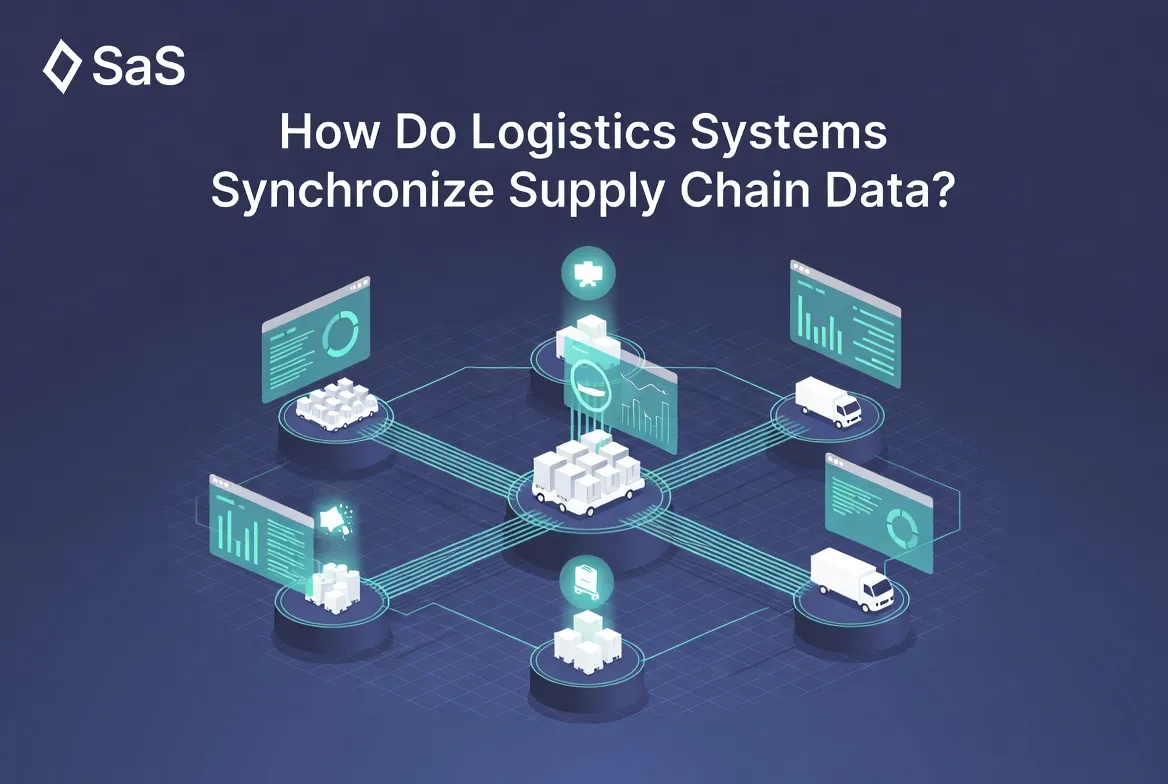
How Do Logistics Systems Synchronize Supply Chain Data?
A logistics control tower system is a centralized digital platform that provides real-time visibility, coordination, and decision-making support across the entire logistics network. It consolidates operational, financial, and tracking data into a unified dashboard to monitor shipments, detect risks, and optimize performance.
What Does “Control Tower” Mean in Logistics?
In logistics, a control tower refers to a centralized command center that oversees:
Shipment execution
Multi-transport coordination
Warehouse activities
Carrier performance
Cost and profit tracking
Exception management
Unlike traditional logistics systems that focus on transaction processing, a control tower focuses on visibility, monitoring, and proactive decision-making.
Core Functions of a Logistics Control Tower System
A modern logistics control tower system typically includes:
1️⃣ Real-Time Shipment Visibility
Track shipments across sea, air, land, and multimodal transport in one unified interface.
2️⃣ Milestone Monitoring
Monitor key shipment milestones such as:
Booking confirmation
Departure and arrival events
Customs clearance
Delivery confirmation
3️⃣ Exception & Risk Alerts
Automatically detect delays, abnormal transit times, or missed milestones and trigger notifications.
4️⃣ Multi-Party Collaboration
Enable coordination between:
Operations teams
Sales teams
Finance departments
Warehouses
Carriers
Customers
Role-based access ensures each stakeholder sees relevant information.
5️⃣ Data Analytics & Reporting
Provide dashboards for:
On-time performance
Carrier reliability
Cost analysis
Shipment profitability
Volume trends
How Is a Control Tower Different from a Logistics Management System?
A logistics management system (LMS) focuses on executing tasks such as booking and billing.
A logistics control tower system goes further by:
Aggregating data from multiple systems
Providing end-to-end shipment visibility
Offering predictive insights
Enabling centralized performance management
Supporting strategic decision-making
It is less about “processing orders” and more about “managing the network.”
Who Uses a Logistics Control Tower System?
This system is typically used by:
Large freight forwarding companies
3PL and 4PL providers
Cross-border logistics operators
Global supply chain integrators
Enterprises managing high shipment volumes
Organizations operating across multiple countries or transport modes benefit the most.
Business Benefits
Implementing a logistics control tower system can:
Improve shipment visibility across regions
Reduce response time to operational issues
Lower risk of shipment delays
Improve carrier performance monitoring
Enhance profitability tracking
It transforms logistics management from reactive problem-solving to proactive control.
Is a Logistics Control Tower Powered by AI?
Modern logistics control tower systems increasingly integrate AI capabilities such as:
Automated anomaly detection
Predictive delay forecasting
Smart milestone tracking
Automated data extraction
Intelligent task allocation
AI enhances the control tower’s ability to detect risks early and recommend corrective actions.
Conclusion
A logistics control tower system is a centralized visibility and decision-support platform for logistics networks. By consolidating operational data, enabling real-time monitoring, and supporting proactive management, it provides full lifecycle control over complex logistics operations.