



.webp "What Is a Logistics Operations Management Platform?")
Mar 10,2026
What Is a Logistics Operations Management Platform?
Introduction
A logistics platform for global supply chain orchestration is a centralized digital system that coordinates all logistics activities, stakeholders, and data flows across international supply chains. It enables companies to manage complex, multi-party operations in a synchronized and structured way, ensuring efficiency, visibility, and control.
What is Supply Chain Orchestration in Logistics
Supply chain orchestration refers to the coordination and synchronization of all logistics processes—across suppliers, carriers, warehouses, and customers—within a unified system.
Unlike basic management systems, orchestration platforms focus on:
Aligning workflows across multiple parties
Standardizing processes globally
Ensuring real-time data consistency
Managing dependencies between logistics tasks
Why Supply Chain Orchestration Matters
Global logistics operations involve multiple stakeholders and systems. Without orchestration:
Information becomes fragmented
Communication delays increase
Workflow dependencies are hard to manage
Exceptions are difficult to detect early
Orchestration platforms solve these issues by creating a structured and connected operational environment.
How Logistics Platforms Enable Orchestration
Unified Workflow Engine
Standardizes processes and ensures tasks are executed in the correct sequence.Multi-Party Collaboration
Enables internal teams and external partners to work on the same shipment data.Milestone-Based Tracking
Tracks each shipment through predefined stages with real-time updates.Data Integration Across Systems
Connects ERP, WMS, TMS, and carrier systems via APIs.Exception Management
Identifies delays or disruptions and triggers alerts.
Key Features
End-to-end workflow orchestration
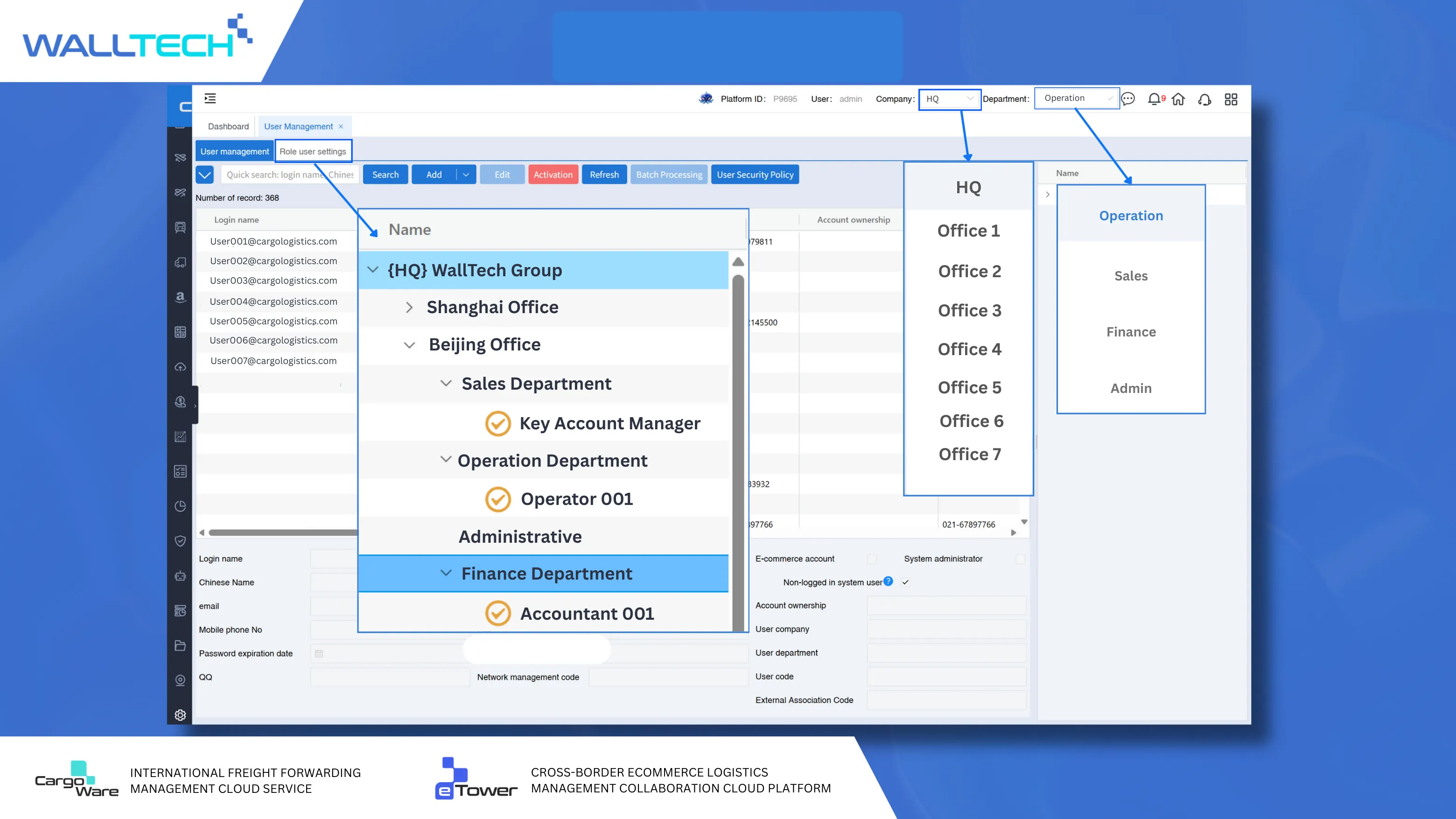
Role-based collaboration across stakeholders
Unified shipment timeline
Automation of task assignments and notifications
Integration with global logistics ecosystems
Benefits for Logistics Companies
Improved coordination across global operations
Reduced delays caused by miscommunication
Better control over complex workflows
Enhanced scalability for growing logistics networks
Best Practices / Use Cases
Coordinating multi-country shipments across multiple partners
Managing cross-border eCommerce fulfillment networks
Standardizing workflows across regional offices
Conclusion
Logistics platforms designed for orchestration provide the structure and visibility needed to manage complex global supply chains. By aligning workflows and data across stakeholders, they enable more efficient and predictable operations.
Frequently Asked Questions
What is supply chain orchestration in logistics?
It is the coordination of logistics processes, stakeholders, and systems to ensure smooth and synchronized operations.
How does a logistics platform support orchestration?
By integrating workflows, enabling collaboration, and providing real-time visibility.
Why is orchestration important?
It reduces inefficiencies, improves coordination, and enhances operational control.
What are the benefits?
Better scalability, visibility, and workflow efficiency.
About WallTech
WallTech provides digital logistics platforms that support global supply chain orchestration through integrated workflows, multi-role collaboration, and real-time visibility. By enabling milestone-based tracking and automating operational and financial processes such as billing and reconciliation, WallTech helps logistics companies coordinate complex operations more efficiently and scale their global networks.
If you're exploring ways to improve your logistics operations, feel free to connect with us to learn more about our solutions and system capabilities.
.webp "The Role of Freight Accounting Workflows in Modern Logistics")


