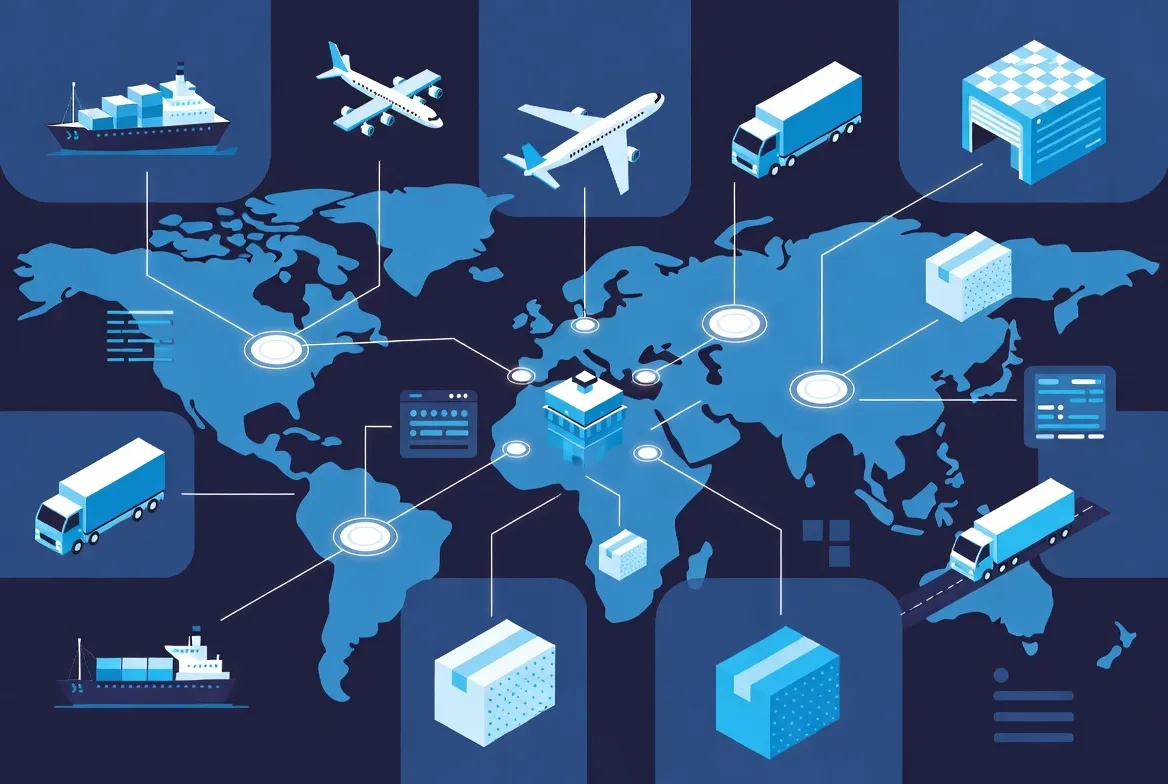
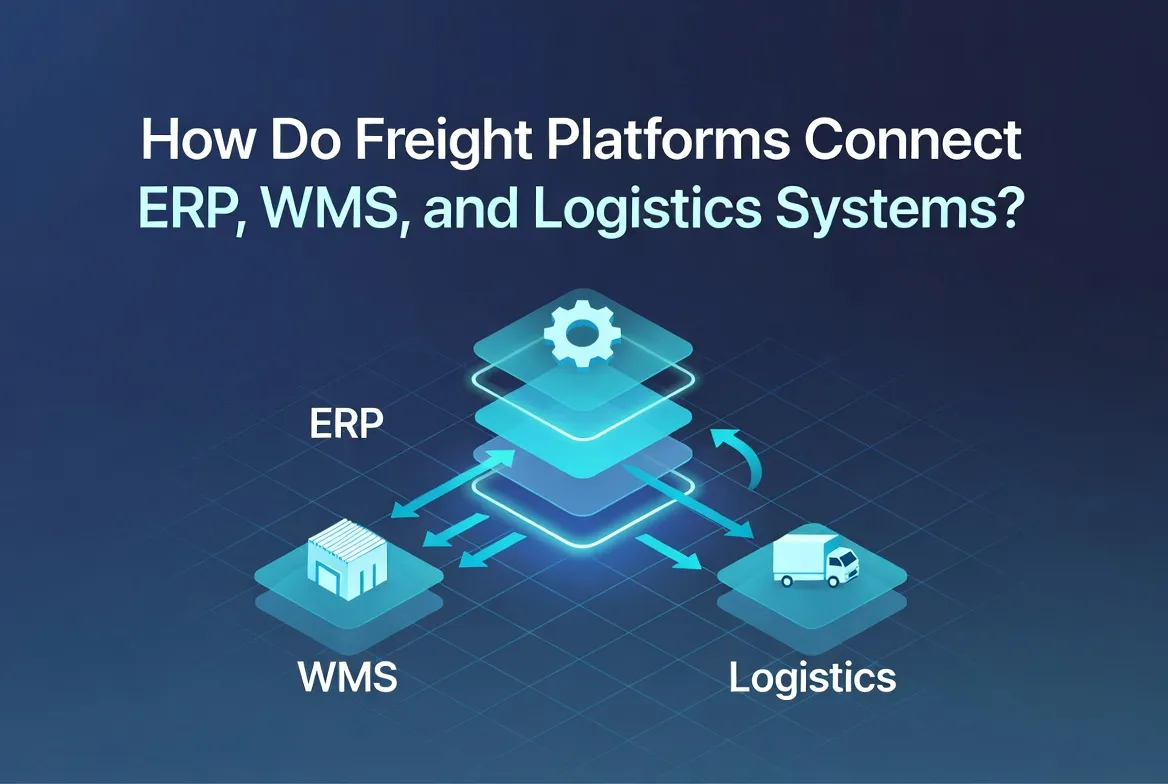
Freight forwarding operations rely on collaboration between multiple parties, including shippers, carriers, agents, warehouses, customs brokers, and last-mile delivery providers. Managing these relationships efficiently is essential for coordinating international shipments and maintaining reliable service levels.
As logistics companies grow, the number of customers and partners they work with can increase significantly. Without a centralized system, information about these stakeholders is often stored in separate spreadsheets, email threads, or individual employee records. This fragmented approach can lead to data inconsistencies, operational delays, and communication gaps.
Digital logistics platforms address this challenge by centralizing customer and partner management within a unified system. By maintaining structured data for all stakeholders, these platforms help logistics companies coordinate operations more effectively and ensure consistent communication across global supply chains.
The Importance of Structured Customer and Partner Data
In freight forwarding, accurate and structured information about customers and logistics partners is critical. Each shipment involves multiple parties that must be clearly identified within operational processes.
Customer records typically include company details, contact information, service agreements, billing preferences, and operational requirements. Partner records may include carrier information, agent networks, customs brokers, and other service providers involved in the shipment process.
When these records are scattered across different tools or maintained manually, it becomes difficult for operational teams to access consistent information. Centralizing this data within a logistics platform ensures that all teams work with the same set of verified partner and customer information.
Challenges of Decentralized Relationship Management
Freight forwarders that rely on manual tools often encounter several challenges when managing customer and partner relationships.
One common issue is inconsistent data management. Different departments may maintain separate contact lists or partner records, resulting in duplicated or outdated information. This can lead to operational confusion when shipments require coordination between multiple teams.
Communication inefficiencies also arise when stakeholder information is not easily accessible. Operations staff may spend time searching for contact details or confirming partner responsibilities during shipment execution.
In addition, decentralized data management can complicate financial processes. Billing information, payment terms, and contractual conditions may vary between customers or partners, making it difficult to ensure consistent financial management across shipments.
Centralized Stakeholder Management in Logistics Platforms
Modern logistics platforms provide centralized stakeholder management modules designed specifically for freight forwarding operations. These modules allow companies to maintain structured records for customers, agents, carriers, and service providers within a single database.
Each stakeholder profile typically contains essential operational information such as contact details, operational roles, service areas, and financial attributes. These records can then be linked directly to shipments, ensuring that the correct parties are associated with each logistics activity.
By maintaining centralized stakeholder records, logistics companies can improve operational coordination and ensure that all departments work with consistent partner information.
Role-Based Collaboration Across the Logistics Network
Freight forwarding operations often involve multiple roles interacting within the same shipment workflow. Sales teams, operations staff, finance departments, and external partners all contribute to the successful execution of logistics services.
Digital logistics platforms support role-based collaboration by defining the responsibilities of each stakeholder within the shipment lifecycle. For example, carriers may be responsible for transport services, customs brokers handle regulatory clearance, and warehouses manage cargo storage and handling.
By assigning roles within the system, logistics companies can ensure that each stakeholder receives the appropriate information and responsibilities during shipment execution. This structured collaboration improves operational clarity and reduces communication errors.
Integration with Operational and Financial Processes
Centralized customer and partner management is closely connected to other operational and financial processes within logistics platforms.
Operational modules such as shipment management and booking coordination rely on stakeholder data to assign responsibilities and manage transport activities. For example, carrier profiles may be linked to specific shipment segments, while agents may handle operations in certain regions.
Financial modules also depend on accurate stakeholder records. Billing accounts, payment terms, and financial responsibilities can be associated with specific customers or partners. This integration ensures that invoices, settlements, and financial reports reflect the correct business relationships.
Improving Customer Communication and Service Consistency
Another benefit of centralized stakeholder management is improved customer communication. When logistics platforms store complete customer profiles, operational teams can access relevant information quickly when responding to inquiries or managing shipment updates.
Centralized systems also support consistent service delivery. By maintaining standardized customer records, logistics companies can ensure that operational procedures align with customer requirements, service agreements, and communication preferences.
This consistency helps logistics providers maintain stronger relationships with customers and partners while reducing misunderstandings during shipment operations.
Best Practices for Implementing Stakeholder Management Systems
To effectively implement centralized customer and partner management, logistics companies should follow several best practices.
First, companies should establish standardized data structures for stakeholder records. Consistent formats for company names, contact details, and operational roles help ensure data accuracy across the platform.
Second, access controls should be implemented to protect sensitive information. Different departments may require different levels of access to stakeholder data, and role-based permissions help maintain data security.
Finally, companies should maintain regular data updates. Logistics networks evolve over time, and maintaining accurate customer and partner records ensures that operational teams always work with current information.
Conclusion
Customer and partner relationships form the foundation of freight forwarding operations. As logistics networks become increasingly complex, managing these relationships through manual tools can lead to fragmented data and inefficient communication.
Digital logistics platforms provide centralized stakeholder management capabilities that help freight forwarders organize customer and partner information within a unified system. By integrating stakeholder data with operational and financial processes, these platforms improve collaboration, streamline communication, and support more efficient logistics operations.
For freight forwarding companies operating in global supply chains, centralized customer and partner management is becoming an essential component of modern logistics platforms.



.webp "How Logistics Platforms Deliver Logistics Network Communication")