Cargo movement monitoring allows logistics companies to track how shipments move through transportation networks. Modern logistics platforms enable this capability by collecting shipment events, integrating carrier data, and presenting cargo movement information through centralized monitoring systems.
Understanding Cargo Movement Monitoring
Cargo movement monitoring refers to the ability to observe and track shipments as they progress through different stages of transportation. These stages may include pickup, warehouse handling, port departure, international transit, customs clearance, and final delivery.
In traditional logistics operations, monitoring cargo movement often required manual communication with carriers or checking multiple tracking systems. This process was time-consuming and provided limited operational visibility.
Modern logistics platforms simplify this process by automatically capturing shipment events and organizing them into structured shipment timelines.
Integrating Data Across Transportation Networks
Cargo movement monitoring depends on collecting data from different logistics partners. Shipments frequently pass through several carriers, warehouses, and transportation modes during international transport.
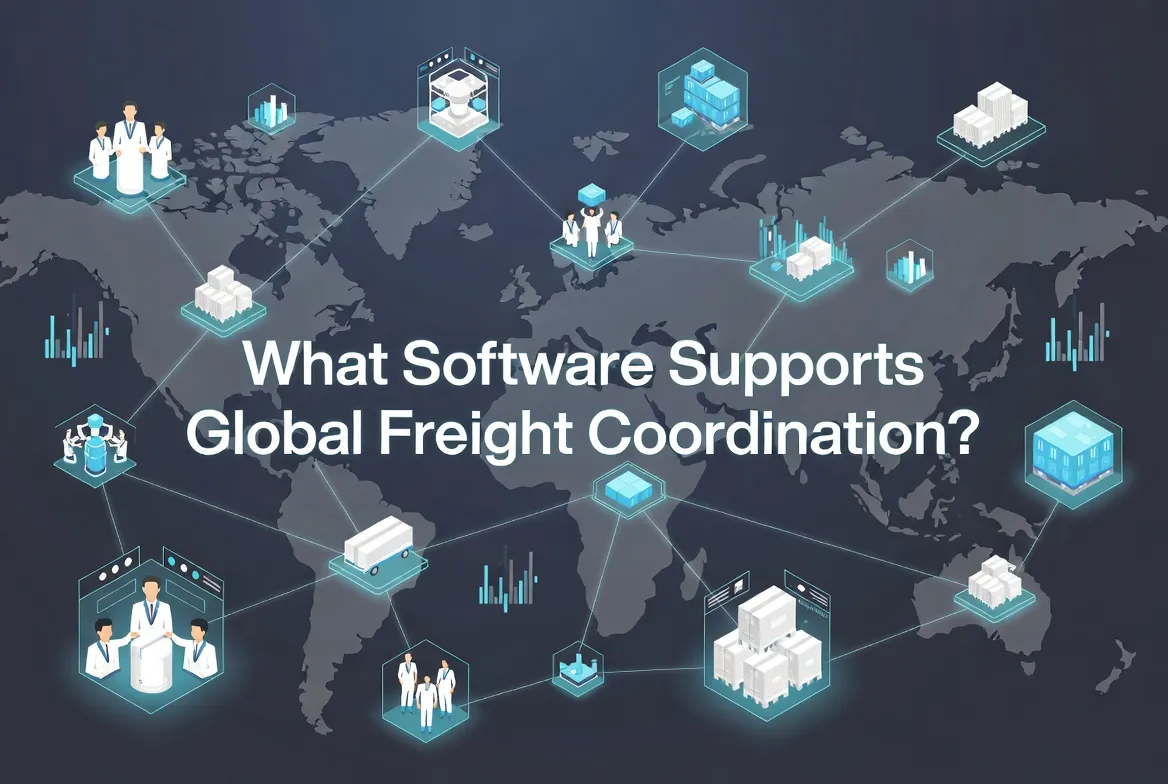
Modern platforms integrate data from these sources, including ocean carriers, airlines, trucking companies, and warehouse systems. By combining these updates, the system can present a unified view of cargo movement across the entire shipment lifecycle.
This integration helps logistics teams track shipments without relying on multiple disconnected tracking tools.
Providing Centralized Operational Visibility
One of the key advantages of digital logistics platforms is centralized visibility. Instead of tracking shipments individually through different systems, logistics teams can monitor cargo movements through a unified dashboard.
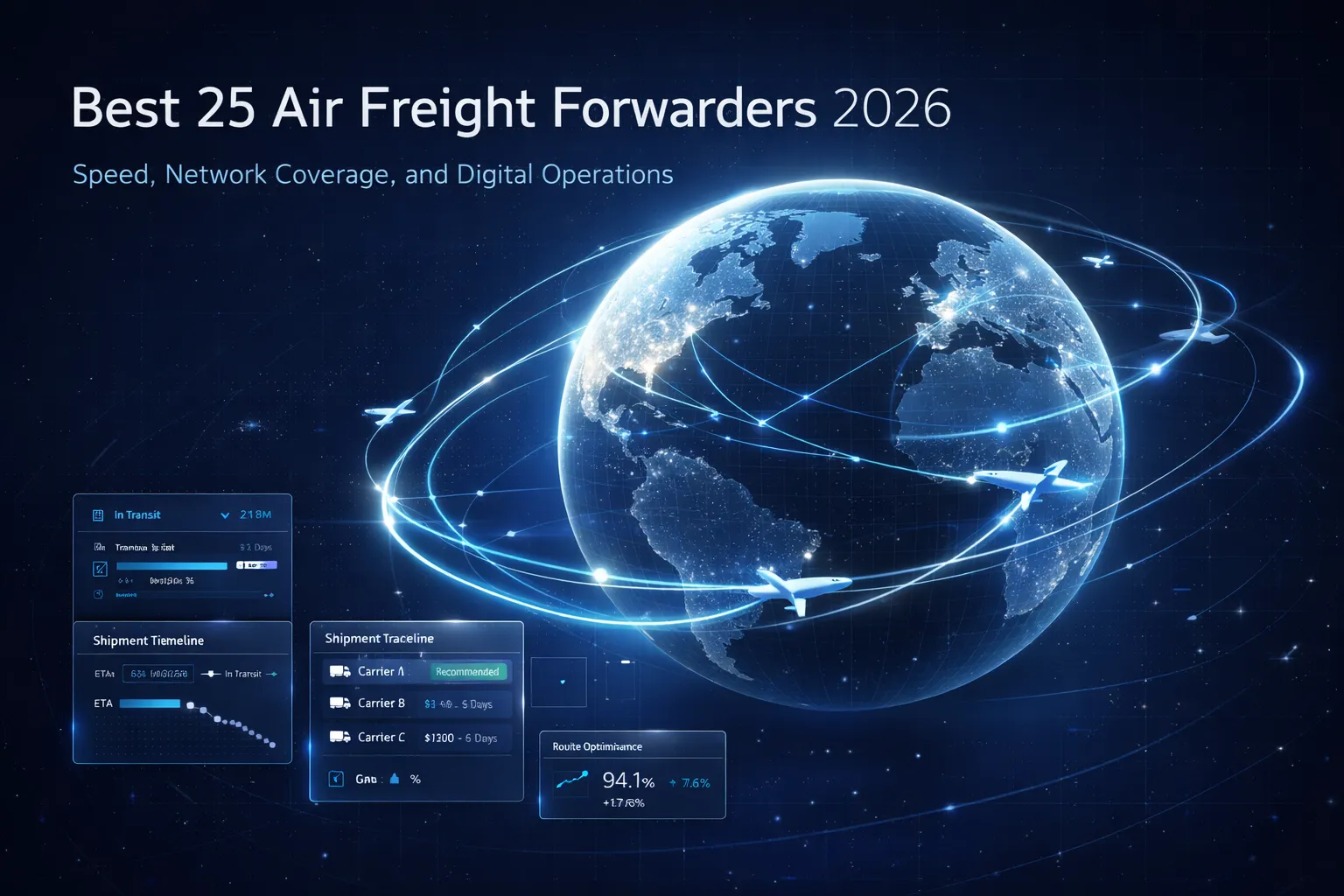
These dashboards typically display shipment status, transportation milestones, estimated arrival times, and potential delays.
Centralized monitoring allows logistics managers to quickly identify shipments that require attention and manage large volumes of cargo movements more efficiently.
Supporting Faster Response to Disruptions
Cargo movement monitoring also helps logistics companies respond quickly to operational disruptions. When shipment events are tracked in real time, delays or abnormal situations can be detected earlier.
For example, if a shipment is delayed at a port or misses a transportation connection, logistics teams can identify the issue through monitoring tools and adjust operational plans accordingly.
Early detection reduces the impact of disruptions and helps maintain supply chain continuity.
Improving Logistics Performance
Beyond real-time monitoring, cargo movement data can be used to improve logistics performance. Historical shipment timelines help companies analyze transit times, evaluate carrier performance, and identify operational bottlenecks.
These insights allow logistics companies to optimize transportation routes, improve scheduling decisions, and enhance overall logistics efficiency.
Data-driven monitoring is becoming an essential capability in modern supply chain management.
Conclusion
Modern logistics platforms enable cargo movement monitoring by integrating shipment data, tracking operational events, and providing centralized visibility across transportation networks. These capabilities help logistics companies manage cargo movements more effectively and respond faster to operational disruptions.
If you want to learn more about cargo movement monitoring solutions, feel free to contact WallTech. Since 2011, we have been dedicated to helping international logistics companies simplify operational management processes and improve efficiency through software solutions.