



May 25,2026
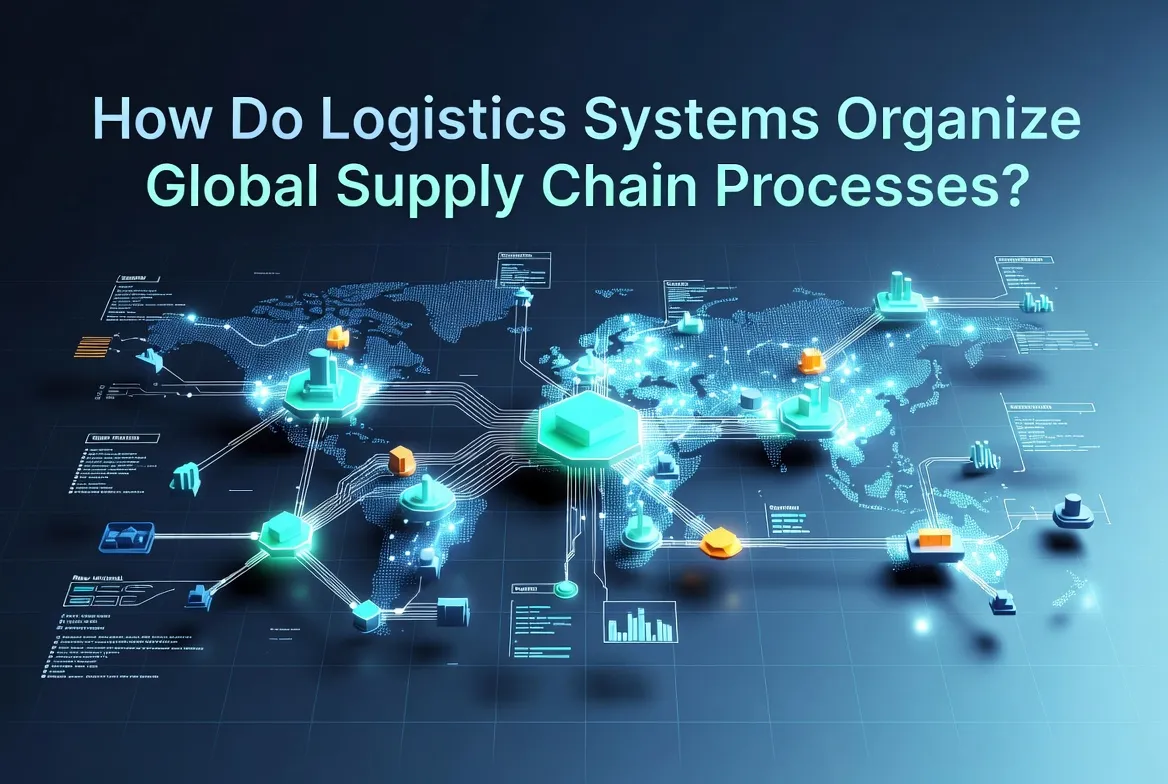
How Do Logistics Systems Organize Global Supply Chain Processes?
Introduction
Logistics operations platforms for digital freight operations are centralized digital systems designed to manage freight transportation, shipment workflows, operational visibility, partner collaboration, and logistics automation across global supply chains. These platforms help freight forwarders, 3PL providers, and cross-border logistics companies improve operational efficiency, reduce manual processes, and gain real-time control over freight operations.
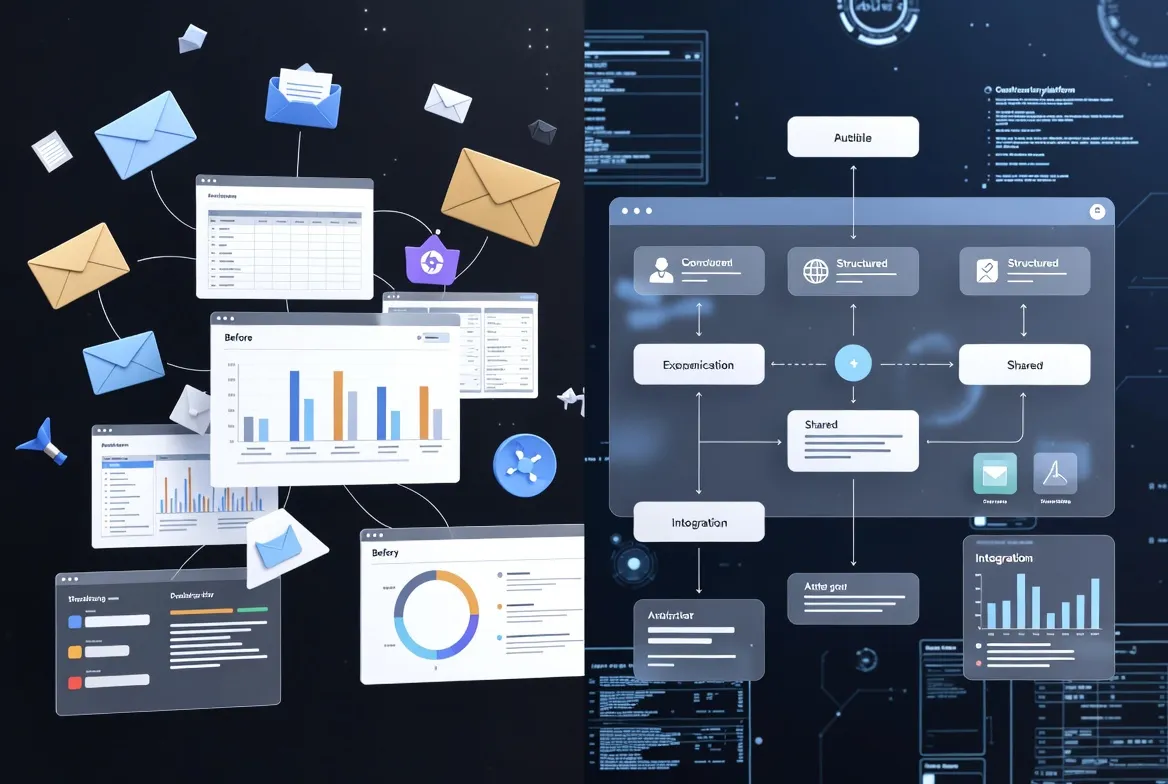
Traditional freight operations often rely on disconnected spreadsheets, emails, phone calls, and manual tracking methods. As shipment volumes increase and supply chains become more globalized, these fragmented workflows create operational inefficiencies, visibility gaps, delayed responses, and higher operational costs.
Digital freight operations platforms solve these challenges through workflow automation, real-time shipment monitoring, integrated financial management, and centralized collaboration across logistics networks.
What are Digital Freight Operations
Digital freight operations refer to the use of digital systems and automated workflows to manage freight transportation and logistics processes throughout the shipment lifecycle.
This includes:
Shipment order management
Transportation coordination
Carrier collaboration
Shipment tracking
Warehouse coordination
Customs handling
Billing and reconciliation
Operational monitoring
A logistics operations platform centralizes these activities within one connected digital environment.
Instead of manually coordinating freight operations across multiple communication channels and systems, logistics companies can manage transportation activities through integrated workflows and real-time operational visibility.
Digital freight operations are commonly used in:
Freight forwarding
3PL logistics
Cross-border eCommerce logistics
International transportation
Multimodal transportation
Warehouse distribution networks
Why Digital Freight Operations Matter
Global logistics operations are becoming increasingly complex and data-driven.
Freight forwarders and logistics providers often manage:
International transportation networks
Multiple transportation modes
Overseas partners
Warehouse operations
Carrier coordination
Customer visibility requirements
Without digital operations platforms, logistics companies commonly experience:
Fragmented workflows
Manual operational delays
Limited shipment visibility
Repeated data entry
Slow customer updates
Communication inefficiencies
Billing discrepancies
These operational challenges reduce efficiency and limit scalability.
Digital freight operations platforms help logistics companies modernize transportation management and improve operational performance.
Improved Operational Visibility
Digital platforms provide:
Real-time shipment tracking
Unified milestone timelines
Transportation monitoring
Exception visibility
This improves operational transparency across freight networks.
Faster Operational Execution
Workflow automation reduces repetitive operational work such as:
Shipment updates
Notification sending
Billing calculations
Task coordination
Status synchronization
This improves process speed and operational efficiency.
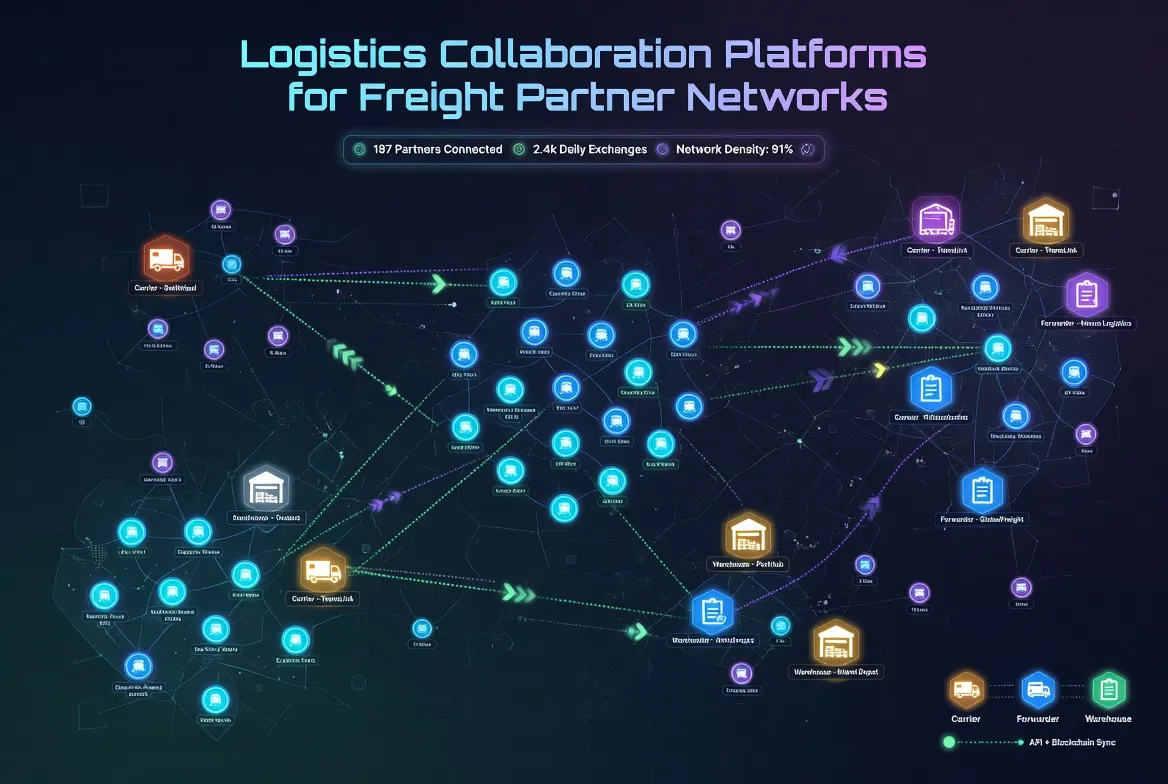
Better Partner Collaboration
Freight operations involve coordination between:
Freight forwarders
Warehouses
Carriers
Overseas agents
Customers
Finance departments
Centralized collaboration improves communication and operational alignment.
Stronger Financial Control
Digital freight operations platforms support:
Automated billing
Freight cost calculation
Accounts receivable
Accounts payable
Reconciliation workflows
Profitability analysis
This improves financial accuracy and operational transparency.
How Digital Freight Operations Work
A logistics operations platform manages digital freight operations through integrated workflows, automated processes, and centralized operational visibility.
The process typically includes several operational stages.
1. Shipment Order Management
Shipment information enters the system through:
Manual input
API integration
ERP synchronization
eCommerce platform integration
Customer portals
The platform centralizes all shipment data within one operational environment.
2. Transportation Coordination
Operations teams configure:
Transportation routes
Carriers
Delivery schedules
Warehousing requirements
Customs procedures
The platform connects all transportation stages into one workflow.
3. Real-Time Shipment Monitoring
Shipment events are synchronized from:
Carrier systems
Warehouse systems
GPS tracking platforms
Customs systems
Third-party logistics providers
Examples of monitored events include:
Cargo pickup
Warehouse inbound
Flight departure
Port arrival
Customs clearance
Delivery confirmation
This creates end-to-end shipment visibility.
4. Workflow Automation
Automation supports:
Shipment notifications
Operational task routing
Billing workflows
Status synchronization
Exception alerts
This reduces manual operational workload.
5. Exception Management
When operational disruptions occur, the platform automatically triggers:
Delay alerts
Escalation workflows
Customer notifications
Internal task assignments
This improves operational responsiveness.
6. Financial Workflow Integration
The system automates:
Freight billing
Cost allocation
Accounts receivable
Accounts payable
Reconciliation management
This improves operational and financial integration.
Key Features of Digital Freight Operations Platforms
Modern logistics operations platforms include several important digital freight management capabilities.
End-to-End Shipment Visibility
Visibility features include:
Real-time tracking
Unified shipment timelines
Milestone monitoring
Exception alerts
Multi-segment transportation visibility
This improves operational transparency throughout the shipment lifecycle.
Workflow Automation
Automation capabilities may include:
Automated shipment updates
AI data recognition
Billing automation
Workflow routing
Notification triggers
Exception escalation
Automation improves efficiency and scalability.
Multi-Role Collaboration
The platform connects:
Operations teams
Warehouses
Carriers
Overseas agents
Customers
Finance departments
This improves upstream and downstream operational coordination.
Financial and Billing Management
Integrated financial functions support:
Automated invoicing
Freight charge calculation
Reconciliation workflows
Cost monitoring
Profitability analysis
This improves financial visibility and control.
System Integration
Modern platforms integrate with:
ERP systems
Warehouse management systems
Carrier platforms
Customs systems
eCommerce systems
Financial software
This creates connected logistics ecosystems.
Benefits for Logistics Companies
Digital freight operations platforms provide several operational advantages.
Higher Operational Efficiency
Automation reduces repetitive manual work and improves shipment processing speed.
Operations teams can manage larger shipment volumes more effectively.
Better Shipment Transparency
Real-time visibility helps logistics teams and customers monitor shipment progress across transportation stages.
Reduced Operational Errors
Centralized operational data reduces:
Duplicate entries
Missing updates
Billing discrepancies
Communication gaps
Improved Customer Experience
Customers benefit from:
Faster shipment updates
Real-time tracking
Better delivery visibility
More transparent communication
Greater Business Scalability
Digital freight platforms help companies support:
Global logistics expansion
Multi-country operations
Cross-border transportation
High-volume shipment processing
Best Practices and Use Cases
Centralize Freight Operations
Companies should manage transportation workflows through one unified operational platform.
This improves visibility and reduces fragmented coordination.
Automate Repetitive Logistics Processes
High-volume operational tasks such as:
Shipment updates
Billing generation
Notification workflows
Document processing
should be automated whenever possible.
Integrate Logistics Ecosystems
Digital freight operations platforms work best when integrated with:
Carrier systems
Warehouse systems
ERP platforms
Customs systems
Financial software
This improves operational connectivity.
Use Real-Time Visibility for Operational Monitoring
Operational dashboards help logistics teams identify:
Delays
Transportation disruptions
Carrier issues
Workflow bottlenecks
This improves response speed and operational reliability.
Apply Digital Freight Operations in Cross-Border Logistics
Cross-border logistics operations often involve:
Multiple transportation stages
Overseas warehouses
Customs coordination
Last-mile delivery networks
Digital freight operations platforms help simplify these complex workflows.
Conclusion
Digital freight operations are becoming essential for modern logistics and supply chain management. By centralizing transportation workflows, improving shipment visibility, automating operational processes, and enabling real-time collaboration, logistics operations platforms help freight forwarders and logistics providers improve operational efficiency and scalability.
As global logistics networks continue to evolve, digital freight operations platforms provide the technological foundation needed to support efficient, transparent, and scalable logistics operations across international supply chains.
Frequently Asked Questions
What are digital freight operations?
Digital freight operations refer to the use of digital systems and automated workflows to manage freight transportation, shipment tracking, operational coordination, and financial processes.
How do logistics operations platforms support digital freight operations?
These platforms centralize shipment data, automate workflows, improve real-time visibility, and connect logistics teams and partners within one operational system.
Why are digital freight operations important?
They help logistics companies improve efficiency, reduce manual work, enhance shipment visibility, and manage complex global transportation networks more effectively.
What are the benefits of digital freight operations platforms?
Key benefits include:
Real-time shipment visibility
Workflow automation
Better operational coordination
Improved financial management
Greater scalability
Who uses digital freight operations platforms?
Typical users include:
Freight forwarders
3PL providers
Cross-border logistics companies
Warehouse operators
International transportation providers
About WallTech
WallTech provides digital logistics solutions that help freight forwarders, logistics providers, and cross-border supply chain companies improve digital freight operations and operational efficiency. Its platforms support end-to-end shipment visibility, workflow automation, real-time logistics collaboration, and integrated financial management across global logistics operations.
By connecting warehouses, carriers, overseas agents, operations teams, finance departments, and customers within one centralized operational environment, WallTech helps logistics companies reduce operational fragmentation and improve supply chain transparency. The platform also supports AI-assisted data recognition, milestone-based tracking, automated billing, and reconciliation workflows to enhance operational scalability and digital transformation.
If you're exploring ways to improve your logistics operations, feel free to connect with us to learn more about our solutions and system capabilities.
.webp "How Modern Platforms Enable Freight Compliance Documentation")


