

May 09,2026
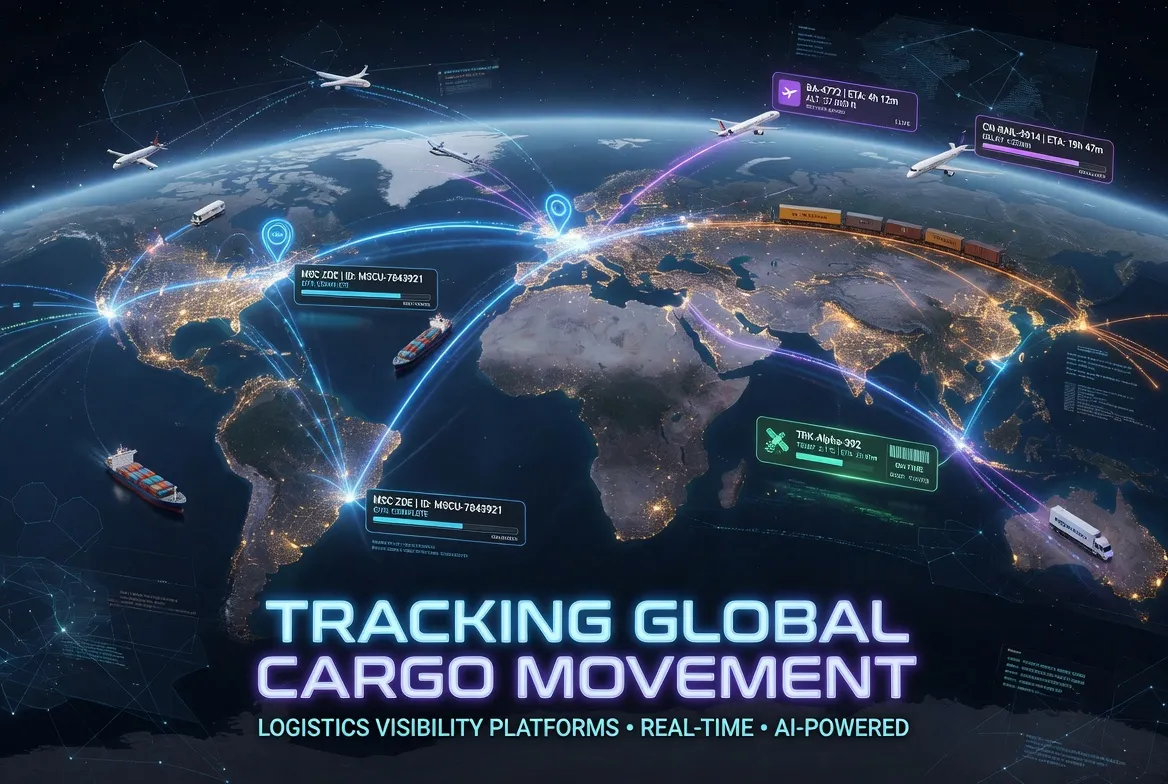
Logistics Visibility Platforms for Tracking Global Cargo Movement
Freight forwarding platforms improve shipment data consistency by centralizing shipment records, operational updates, and documentation within a single digital system. By replacing fragmented communication tools and manual data entry, these platforms help logistics teams maintain accurate and standardized shipment information.
The Problem of Fragmented Shipment Data
In many logistics companies, shipment information is often stored across multiple systems and communication channels. Operations teams may use spreadsheets to track shipments, while sales teams rely on emails and messaging tools to communicate with customers and partners.
As a result, key shipment details—such as cargo information, ports, container numbers, or delivery status—may be recorded differently by different teams. Data may be duplicated, outdated, or incomplete.
This lack of data consistency can lead to operational errors, delayed decisions, and difficulties in tracking shipment progress across the logistics chain.
Centralizing Shipment Data in One System
Freight forwarding platforms address this issue by providing a centralized system for managing shipment records.
Each shipment is created as a structured record that contains key operational data, including cargo details, transportation routes, documents, and financial information. All teams involved in the shipment process access and update the same record.
By consolidating shipment data into one platform, companies reduce the risk of inconsistent or conflicting information across departments.
Standardizing Data Entry and Workflows
Another important feature of freight forwarding platforms is standardized data entry.
Instead of allowing shipment details to be recorded in free-text formats, the system typically requires users to input information into predefined fields. This ensures that ports, carriers, container types, and other operational data follow consistent formats.
Standardized workflows also ensure that shipment updates are recorded at specific operational milestones, creating a structured timeline of the shipment lifecycle.
Improving Visibility and Operational Accuracy
Consistent shipment data improves operational visibility across the logistics organization.
When shipment records are standardized and centralized, teams can quickly access accurate information about cargo status, transportation progress, and operational milestones. This reduces the need for manual verification and follow-up communication.
Accurate data also supports better operational decision-making. Logistics managers can analyze shipment performance, identify delays earlier, and improve planning for future operations.
Conclusion
Shipment data consistency is essential for efficient freight forwarding operations. When shipment information is scattered across multiple tools and communication channels, operational visibility and coordination become difficult.
Freight forwarding platforms help solve this problem by centralizing shipment records, standardizing data entry, and connecting operational workflows within one system. As logistics operations grow in scale and complexity, maintaining consistent shipment data becomes increasingly important for reliable and efficient freight management.
.webp "How Digital Logistics Platforms Improve Customer Communication")