

May 14,2026
: How Do Freight Systems Improve Efficiency Through Automation?
Introduction
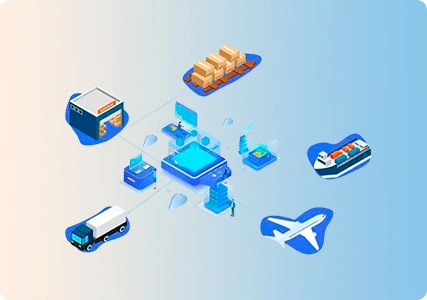
Shipment collaboration refers to the coordinated management of logistics activities between multiple parties involved in transporting goods. Modern logistics platforms enable shipment collaboration by allowing carriers, freight forwarders, warehouses, and logistics partners to share shipment data and operational updates within a unified system.
What Is Shipment Collaboration?
In international logistics, shipments typically move through several stages, including pickup, warehousing, customs clearance, international transport, and final delivery. Each stage may involve different companies responsible for specific operational tasks.
Shipment collaboration describes how these organizations coordinate their activities throughout the shipment lifecycle. This coordination includes sharing shipment information, updating operational milestones, exchanging documents, and managing transportation tasks.
Without a structured system, collaboration often relies on emails, spreadsheets, and messaging tools. This fragmented communication can lead to delayed updates, duplicated work, and limited visibility across the supply chain.
Modern logistics systems provide a centralized environment where shipment data can be shared between stakeholders in real time.
Why Shipment Collaboration Matters in Modern Logistics
As supply chains become more global and complex, the number of participants involved in a single shipment continues to grow. Effective collaboration between these participants is essential for maintaining operational efficiency.
Shipment collaboration helps address several common logistics challenges:
Lack of visibility across transportation stages
Delays caused by incomplete or outdated shipment information
Operational inefficiencies due to manual coordination
Communication gaps between logistics partners
By enabling structured collaboration, logistics platforms allow companies to coordinate operations more effectively and reduce operational risks.
How Digital Platforms Enable Shipment Collaboration
Modern logistics platforms support shipment collaboration through several core system capabilities.
Centralized Shipment Management
Shipment information is stored in a central system where authorized users can access shipment details, operational updates, and transportation milestones. This shared data environment ensures that all participants work with consistent information.
Real-Time Shipment Updates
Operational events such as pickup confirmation, warehouse arrival, customs clearance, and delivery can be recorded within the system. These updates provide a clear timeline of shipment progress for all stakeholders.
Multi-Party Workflow Coordination
Logistics platforms allow different roles to participate in shipment workflows. Operations teams, logistics partners, and service providers can update shipment status, manage tasks, and coordinate transportation activities through the same platform.
Document Sharing and Data Synchronization
Shipping documents such as commercial invoices, packing lists, and transport documents can be uploaded and shared within the shipment record. Centralized document management helps ensure that all partners use the correct and latest versions.
Benefits of Shipment Collaboration Platforms
Implementing digital shipment collaboration systems provides several operational benefits.
Improved operational efficiency
Centralized collaboration reduces manual coordination and eliminates repeated data entry across multiple systems.
Better shipment visibility
Real-time updates allow logistics companies and customers to track shipment progress throughout the transportation process.
Stronger partner coordination
Shared systems help logistics partners align their activities and respond quickly to operational changes.
Scalable logistics operations
Digital collaboration tools allow companies to manage larger shipment volumes and more complex logistics networks.
Best Practices for Managing Shipment Collaboration
To achieve effective shipment collaboration, logistics companies should establish clear operational practices when using digital platforms.
First, companies should standardize shipment data formats so that information can be shared consistently between partners and systems.
Second, defining role-based access control ensures that each participant can view and update relevant shipment information.
Third, integrating external systems—such as carrier tracking platforms, warehouse management systems, and customs systems—helps automate information exchange across the logistics network.
Finally, encouraging partners to adopt the same collaboration platform improves communication efficiency and operational transparency.
Conclusion
Shipment collaboration plays a critical role in modern logistics operations. As shipments involve more participants and transportation stages, effective coordination between logistics partners becomes increasingly important.
Digital logistics platforms enable this collaboration by centralizing shipment data, supporting multi-party workflows, and providing real-time operational visibility. By improving shipment collaboration, logistics companies can increase efficiency, reduce operational risks, and deliver more reliable supply chain services.