
Mar 24,2026
The Role of Logistics Process Automation in Modern Logistics
Freight operations efficiency plays a critical role in modern logistics by ensuring that shipments move through transportation networks with minimal delays, lower operational costs, and improved service reliability. As global trade volumes increase, logistics companies must manage more shipments, partners, and operational processes while maintaining high service standards.
Understanding Freight Operations Efficiency
Freight operations efficiency refers to how effectively logistics companies manage the processes involved in moving cargo from origin to destination. These processes include order processing, transportation coordination, document handling, shipment tracking, and financial settlement.
In traditional logistics environments, many of these tasks rely on manual coordination through emails, spreadsheets, and separate software tools. While workable at small scales, these fragmented processes can create delays, duplicated work, and inconsistent operational information.
Improving freight operations efficiency requires structured workflows, centralized data management, and better visibility across logistics activities.
Reducing Operational Complexity
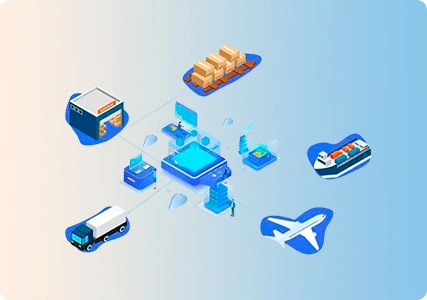
Modern logistics networks involve multiple transportation modes, operational partners, and international checkpoints. A single shipment may require coordination between trucking providers, ocean carriers, warehouses, customs brokers, and last-mile delivery companies.
Efficient freight operations help reduce complexity by organizing these activities within clear operational processes. Standardized workflows allow logistics teams to manage shipments consistently while reducing manual coordination between departments.
By simplifying operational procedures, companies can process shipments faster and reduce the risk of errors.
Improving Shipment Visibility
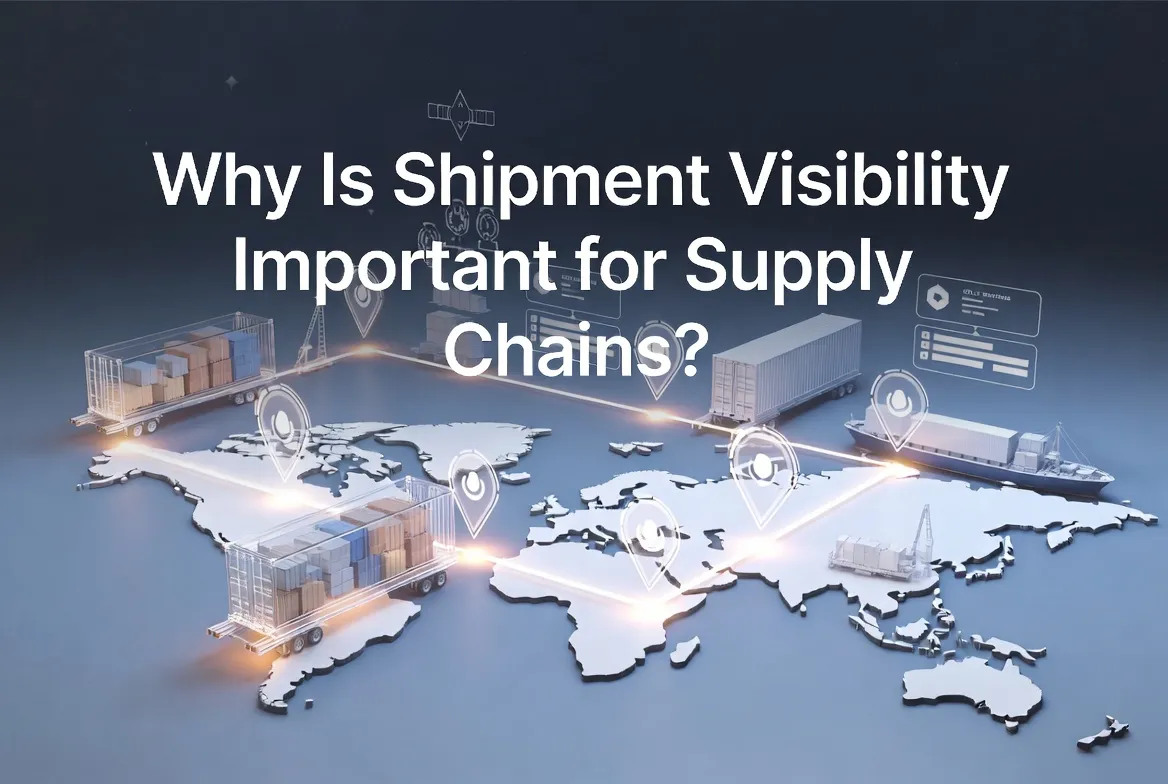
Operational efficiency is closely linked to shipment visibility. When logistics companies can monitor transportation events and operational milestones in real time, they are better equipped to respond to disruptions.
For example, delays at ports, customs clearance issues, or transportation schedule changes can significantly impact delivery timelines. With improved operational visibility, logistics teams can detect these issues earlier and adjust their operational plans accordingly.
This proactive approach helps maintain service reliability and improve customer satisfaction.
Supporting Cost Control and Resource Utilization
Efficient freight operations also contribute to better cost management. When operational processes are streamlined, companies can reduce unnecessary administrative work and improve resource utilization.
For example, standardized processes help reduce repeated data entry and manual communication between teams. This allows logistics staff to focus on higher-value operational activities.
Operational efficiency also improves the accuracy of cost tracking, making it easier for companies to understand shipment profitability and control logistics expenses.
Enabling Scalable Logistics Operations
As logistics companies grow, the number of shipments and operational tasks increases significantly. Without efficient operational structures, scaling operations can quickly become difficult.
Efficient freight operations allow companies to handle larger shipment volumes while maintaining consistent service quality. Structured workflows, centralized data, and clear operational visibility make it easier to manage expanding logistics networks.
This scalability is essential for logistics providers operating in global supply chains.
Conclusion
Freight operations efficiency is a key factor in modern logistics performance. By streamlining operational processes, improving shipment visibility, and supporting better resource utilization, efficient freight operations help logistics companies manage complex transportation networks more effectively.
If you want to learn more about freight operations efficiency solutions, feel free to contact WallTech. Since 2011, we have been dedicated to helping international logistics companies simplify operational management processes and improve efficiency through software solutions.