May 08,2026
Logistics Operations Platforms for Supply Chain Monitoring
Introduction
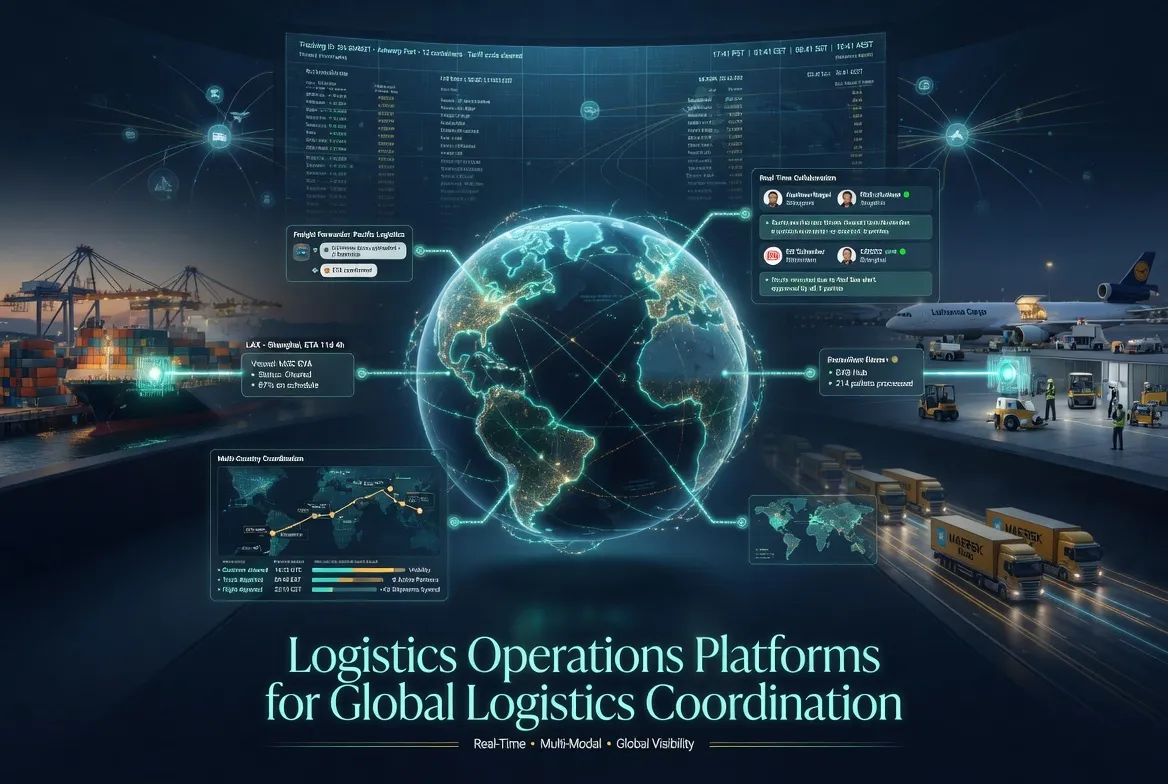
A logistics platform for multi-country fulfillment networks is a centralized system that enables companies to manage, coordinate, and optimize order fulfillment operations across multiple countries, warehouses, and logistics partners. It connects upstream and downstream systems, provides real-time visibility, and automates workflows to ensure efficient cross-border fulfillment.
As global commerce expands—especially in cross-border eCommerce and international distribution—companies must manage inventory, shipments, and partners across regions. A unified logistics platform is essential for maintaining control, reducing complexity, and ensuring consistent service levels across all markets.
What is a Logistics Platform for Multi-Country Fulfillment Networks
A logistics platform for multi-country fulfillment networks is a digital system that integrates order management, warehouse operations, transportation, and delivery across multiple geographic locations into a single operational environment.
It enables companies to:
Manage fulfillment across multiple countries and warehouses
Coordinate shipments between origin and destination markets
Integrate with local carriers and last-mile delivery providers
Monitor inventory and order status globally
Unlike isolated systems used in individual countries, this type of platform provides a unified view of global fulfillment operations, allowing businesses to operate as a single, connected network rather than separate regional entities.
Why Multi-Country Fulfillment Platforms Matter
1. Managing Distributed Operations
Global fulfillment networks often include:
Multiple warehouses in different countries
Regional logistics providers
Diverse regulatory and customs environments
Without a unified platform, operations become fragmented and difficult to manage.
2. Eliminating Data Silos Across Regions
Different countries may use different systems and processes, leading to disconnected data.
A centralized platform ensures:
Consistent data across all regions
Real-time synchronization of order and shipment information
Reduced duplication of work
3. Improving Visibility Across the Fulfillment Network
Companies need visibility into:
Inventory levels in different countries
Order status across fulfillment stages
Shipment progress across borders
A unified platform provides end-to-end visibility across the entire network.
4. Enhancing Cross-Border Collaboration
Multi-country fulfillment requires coordination between:
Headquarters and regional offices
Warehouses and carriers
Local partners and global teams
A logistics platform enables seamless collaboration across all stakeholders.
5. Supporting Scalable Global Expansion
As companies enter new markets, they need systems that can scale quickly.
A multi-country logistics platform allows businesses to expand without building separate systems for each region.
How Multi-Country Fulfillment Platforms Work
A logistics platform for multi-country fulfillment networks operates by integrating systems, standardizing workflows, and enabling real-time coordination.
Step 1: Order Integration
Orders are received from multiple sources, such as:
eCommerce platforms
ERP systems
Customer portals
The platform consolidates all orders into a centralized system.
Step 2: Inventory and Warehouse Coordination
The system manages inventory across multiple warehouses in different countries, enabling:
Real-time inventory visibility
Intelligent allocation of orders to fulfillment centers
Coordination of inbound and outbound operations
Step 3: Workflow Orchestration Across Regions
Each order follows a standardized workflow, including:
Order processing
Picking and packing
Shipping and transport
Delivery and confirmation
These workflows are synchronized across countries, ensuring consistency.
Step 4: Cross-Border Shipment Management
The platform coordinates international shipping processes, including:
Carrier selection
Customs documentation
Cross-border transport
Last-mile delivery
Step 5: Real-Time Tracking and Milestones
Shipments are tracked through milestone-based events, such as:
Warehouse dispatch
International transit
Customs clearance
Final delivery
All updates are displayed in a unified timeline.
Step 6: Financial and Settlement Management
The platform manages financial processes across regions, including:
Cost allocation
Billing and invoicing
Multi-currency accounting
Partner settlements
Key Features / Key Capabilities
1. Global Order and Inventory Management
Centralized order processing
Multi-warehouse inventory visibility
Intelligent order allocation
2. End-to-End Visibility
Real-time tracking across countries
Milestone-based shipment monitoring
Unified global dashboard
3. Multi-Role and Multi-Region Collaboration
Coordination between headquarters and regional teams
Partner collaboration across countries
Role-based permissions
4. Workflow Automation
Automated task assignment across regions
SOP-driven process execution
Exception alerts and notifications
5. AI-Driven Data Processing
OCR for document recognition
Automated data extraction
Reduced manual input across regions
6. Multi-Currency Financial Management
Automated billing and invoicing
Currency conversion and reporting
Financial reconciliation across regions
7. System Integration and Connectivity
API integration with eCommerce platforms, ERP, and WMS
Connectivity with local carriers and partners
Scalable integration for new markets
These capabilities enable companies to operate complex multi-country fulfillment networks efficiently.
Benefits for Logistics Companies
1. Unified Global Operations
Companies can manage all fulfillment activities within a single system, improving control and consistency.
2. Improved Efficiency
Automation and standardized workflows reduce manual effort and operational delays.
3. Enhanced Visibility
Real-time tracking provides full visibility across the entire fulfillment network.
4. Better Collaboration
Teams and partners across different countries can work within the same platform, reducing communication gaps.
5. Scalability for Growth
The platform supports expansion into new markets without requiring additional systems.
Best Practices / Use Cases
1. Cross-Border eCommerce Fulfillment
Companies can manage orders, inventory, and deliveries across multiple countries efficiently.
2. Global 3PL Operations
Third-party logistics providers can coordinate multi-country warehousing and distribution networks.
3. Multi-Region Retail Distribution
Retailers can manage inventory and fulfillment across regional distribution centers.
4. Partner Network Coordination
Companies can collaborate with local logistics providers while maintaining centralized control.
Best Practices
Standardize workflows across all regions
Integrate systems and partners through APIs
Use milestone-based tracking for consistency
Automate cross-border processes and financial operations
Conclusion
A logistics platform for multi-country fulfillment networks is essential for managing the complexity of global operations. By integrating systems, standardizing workflows, and providing real-time visibility, these platforms enable companies to operate efficiently across multiple countries and partners.
As global commerce continues to grow, businesses that adopt unified logistics platforms will be better positioned to scale, improve service quality, and maintain operational control across their international fulfillment networks.
Frequently Asked Questions
What is a logistics platform for multi-country fulfillment?
It is a system that manages and coordinates order fulfillment across multiple countries, warehouses, and logistics partners within a unified platform.
How does a multi-country fulfillment platform work?
It integrates orders, inventory, and shipments, automates workflows, and provides real-time tracking across regions.
Why is a unified logistics platform important for global fulfillment?
It reduces operational complexity, improves visibility, and enables seamless collaboration across countries.
What are the benefits of multi-country fulfillment platforms?
Key benefits include improved efficiency, better visibility, enhanced collaboration, and scalability for global growth.
Who uses multi-country fulfillment platforms?
Cross-border eCommerce companies, 3PL providers, and global retailers commonly use these platforms.
About WallTech
WallTech provides digital logistics solutions that support multi-country fulfillment networks by connecting global operations into a unified platform. Its systems enable seamless collaboration between headquarters, regional teams, and logistics partners, ensuring consistent execution across all markets.
With capabilities such as real-time shipment visibility, milestone-based tracking, workflow automation, and multi-currency financial management, WallTech helps logistics companies manage complex cross-border fulfillment processes with greater efficiency and control. By integrating systems and standardizing workflows, organizations can scale their global operations while maintaining transparency and operational consistency.
If you're exploring ways to improve your logistics operations, feel free to connect with us to learn more about our solutions and system capabilities.