
Apr 03,2026
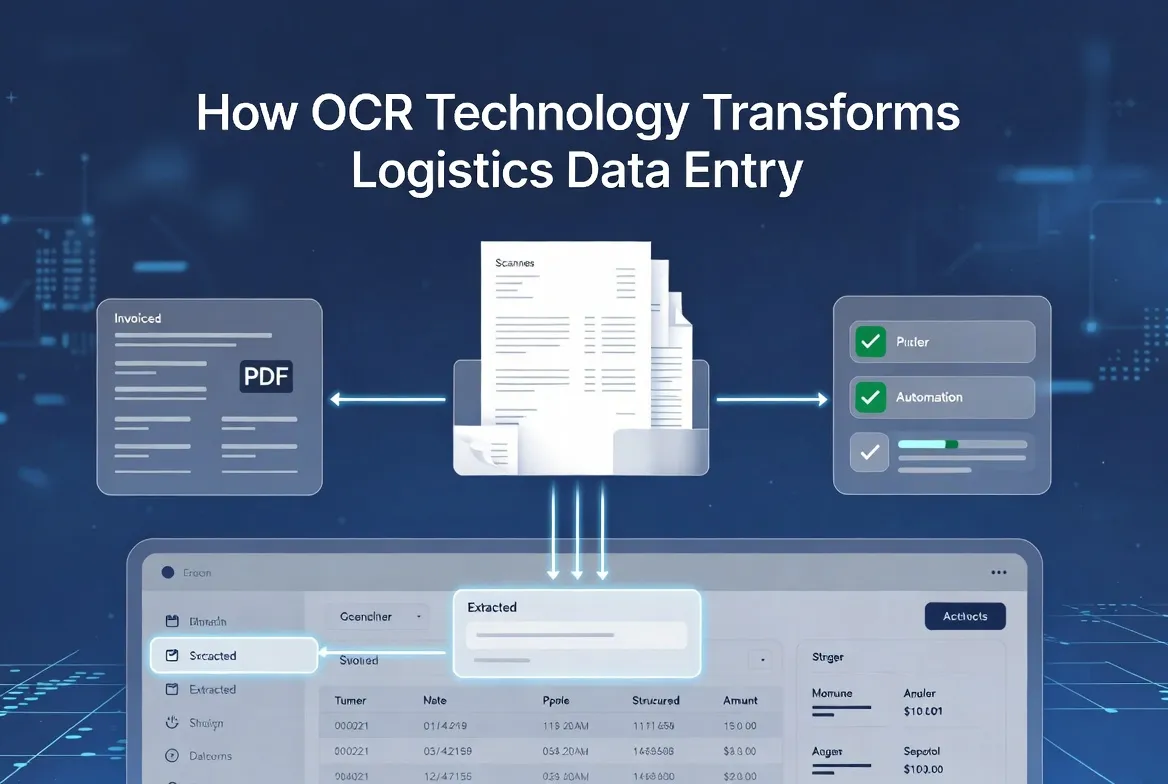
How OCR Technology Transforms Logistics Data Entry
Introduction
Logistics systems turn shipment data into insights by collecting and structuring raw operational data, applying analytical models, and presenting the results through dashboards, reports, and automated workflows. This transformation allows logistics companies to move beyond basic tracking and gain actionable intelligence that supports decision making, performance optimization, and strategic planning.
In modern freight forwarding and 3PL operations, large volumes of shipment data are generated daily. Without structured processing, this data remains underutilized. Logistics systems bridge this gap by converting raw data into meaningful insights that drive efficiency and growth.
What Does Turning Shipment Data into Insights Mean?
Turning shipment data into insights refers to the process of transforming raw logistics data into meaningful, actionable information that supports operational and strategic decisions.
This involves:
Converting unstructured data into standardized formats
Aggregating data across systems and stakeholders
Analyzing performance trends and patterns
Presenting results in a clear and usable format
Insights go beyond data visibility—they explain performance, highlight inefficiencies, and guide improvements.
Why Turning Data into Insights Matters
1. Overcoming Data Fragmentation
Many logistics companies operate with disconnected systems. Turning data into insights requires integrating these data sources into a unified platform.
2. Enhancing Decision Quality
Insights provide context and interpretation, enabling more accurate and informed decisions.
3. Improving Operational Efficiency
By identifying inefficiencies and bottlenecks, companies can optimize processes.
4. Supporting Proactive Management
Insights allow companies to anticipate issues rather than react to them.
5. Driving Business Growth
Data-driven insights help companies refine strategies, improve customer service, and increase profitability.
How Logistics Systems Turn Shipment Data into Insights
1. Data Collection from Multiple Sources
Logistics systems gather data from:
Order and booking systems
Transportation and tracking platforms
Warehouse management systems
Financial and billing systems
External carriers and logistics partners
This ensures a complete view of shipment operations.
2. Data Structuring and Standardization
Raw data is transformed into structured formats:
Milestone-based shipment timelines
Standardized cost and revenue fields
Unified shipment identifiers
Categorized exception data
This standardization enables consistent analysis across all shipments.
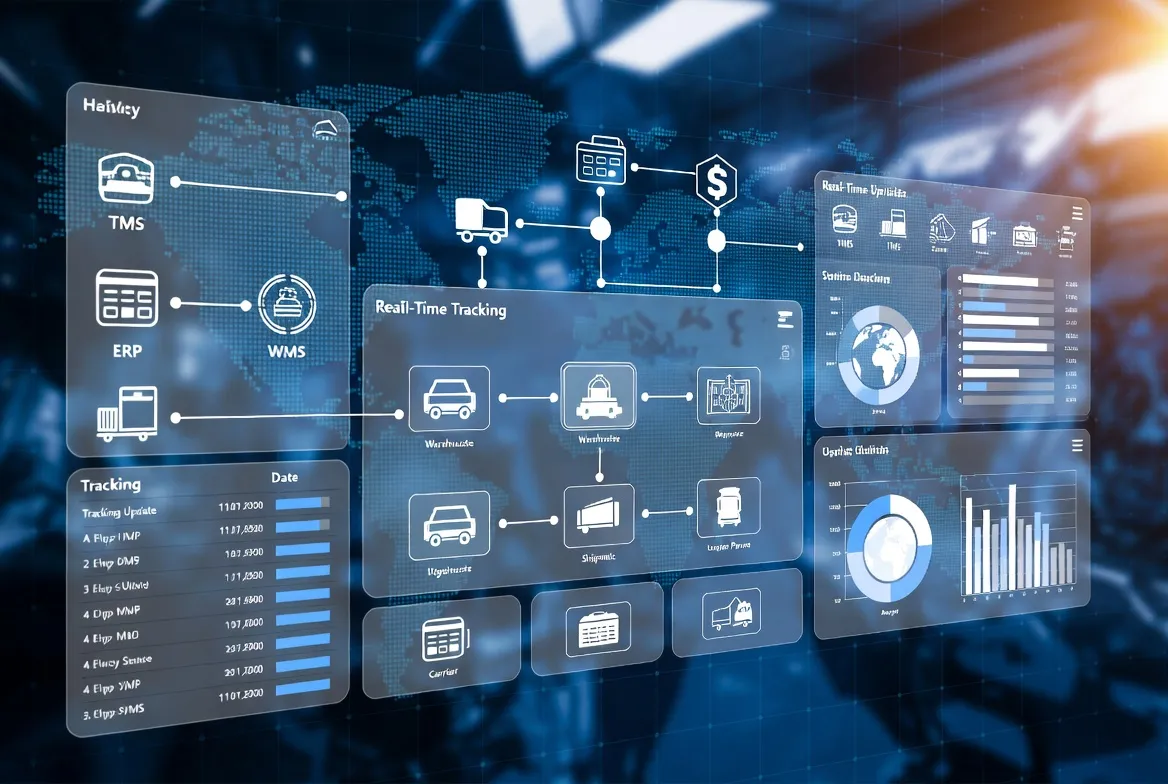
3. Real-Time Visibility and Monitoring
Systems provide:
End-to-end shipment tracking
Unified timelines across stakeholders
Real-time milestone updates
Exception alerts
This visibility forms the foundation for insight generation.
4. Data Analysis and Interpretation
Logistics systems analyze data to identify:
Performance trends (e.g., transit times, delays)
Cost patterns and profitability
Carrier and route performance
Operational bottlenecks
Advanced systems may also use predictive analytics to forecast future outcomes.
5. Visualization and Reporting
Insights are presented through:
KPI dashboards
Visual charts and graphs
Custom reports
Real-time monitoring panels
This makes complex data easy to understand and act upon.
6. Automation of Insight-Driven Actions
Insights can trigger automated workflows such as:
Exception handling processes
Notifications to relevant teams
Task assignments
Financial adjustments (billing and reconciliation)
This ensures that insights lead directly to operational improvements.
Key Features of Insight-Driven Logistics Systems
End-to-End Visibility
Real-time tracking of shipments
Milestone-based monitoring
Unified shipment timelines
Multi-Role Collaboration
Shared access to shipment data and insights
Coordination across operations, finance, and customer service
Integration with upstream and downstream partners
Workflow Automation
AI-powered data recognition
Automated billing and reconciliation
Rule-based workflow execution
Advanced Analytics
KPI dashboards and performance metrics
Historical trend analysis
Predictive analytics capabilities
System Integration
Seamless connection with ERP, WMS, and eCommerce platforms
Data synchronization across systems
Benefits for Logistics Companies
1. Improved Decision Making
Insights provide clarity and context, enabling better operational and strategic decisions.
2. Increased Efficiency
Identifying inefficiencies allows companies to streamline processes and reduce waste.
3. Enhanced Visibility
Real-time insights improve transparency across the entire shipment lifecycle.
4. Better Financial Control
Analyzing cost and revenue data supports accurate financial management.
5. Scalable Operations
Automated insights and standardized processes enable business growth without increased complexity.
Best Practices and Use Cases
Best Practices
Centralize data across all systems
Standardize shipment milestones and data formats
Use real-time dashboards for monitoring
Automate data capture and processing
Encourage collaboration using shared insights
Common Use Cases
1. Performance Monitoring
Track KPIs such as on-time delivery and transit time to evaluate operational efficiency.
2. Cost Optimization
Analyze cost structures to identify savings opportunities.
3. Carrier Performance Management
Evaluate and select carriers based on data-driven insights.
4. Exception Management
Identify recurring issues and implement preventive measures.
5. Customer Reporting
Provide transparent and data-driven updates to clients.
Conclusion
Logistics systems play a critical role in turning shipment data into actionable insights. By collecting, structuring, analyzing, and visualizing data, these systems enable logistics companies to improve efficiency, reduce costs, and enhance service quality.
In an increasingly data-driven industry, the ability to transform shipment data into meaningful insights is essential for staying competitive and achieving sustainable growth.
Frequently Asked Questions
What does it mean to turn shipment data into insights?
It means transforming raw logistics data into meaningful, actionable information that supports decision making and optimization.
How do logistics systems generate insights from data?
They collect, standardize, analyze, and visualize shipment data using analytics tools and dashboards.
Why are insights important in logistics?
Insights help identify inefficiencies, improve performance, and support data-driven decisions.
What types of insights can logistics systems provide?
They provide insights on performance, costs, delays, carrier reliability, and operational efficiency.
How do insights improve logistics operations?
They enable proactive management, process optimization, and better resource allocation.
About WallTech
WallTech provides digital logistics solutions designed to help companies transform shipment data into actionable insights. Its platforms enable end-to-end collaboration across multiple roles and partners, ensuring seamless coordination throughout the shipment lifecycle. With real-time shipment visibility and milestone-based tracking, logistics teams gain a clear understanding of operational performance. In addition, workflow automation—such as AI-powered data recognition, automated billing, and reconciliation—reduces manual effort and improves accuracy. By integrating visibility, collaboration, and automation, WallTech supports logistics providers in enhancing efficiency and scaling their operations effectively.
If you're exploring ways to improve your logistics operations, feel free to connect with us to learn more about our solutions and system capabilities.
.webp "The Role of Digital Logistics Documentation in Modern Logistics")