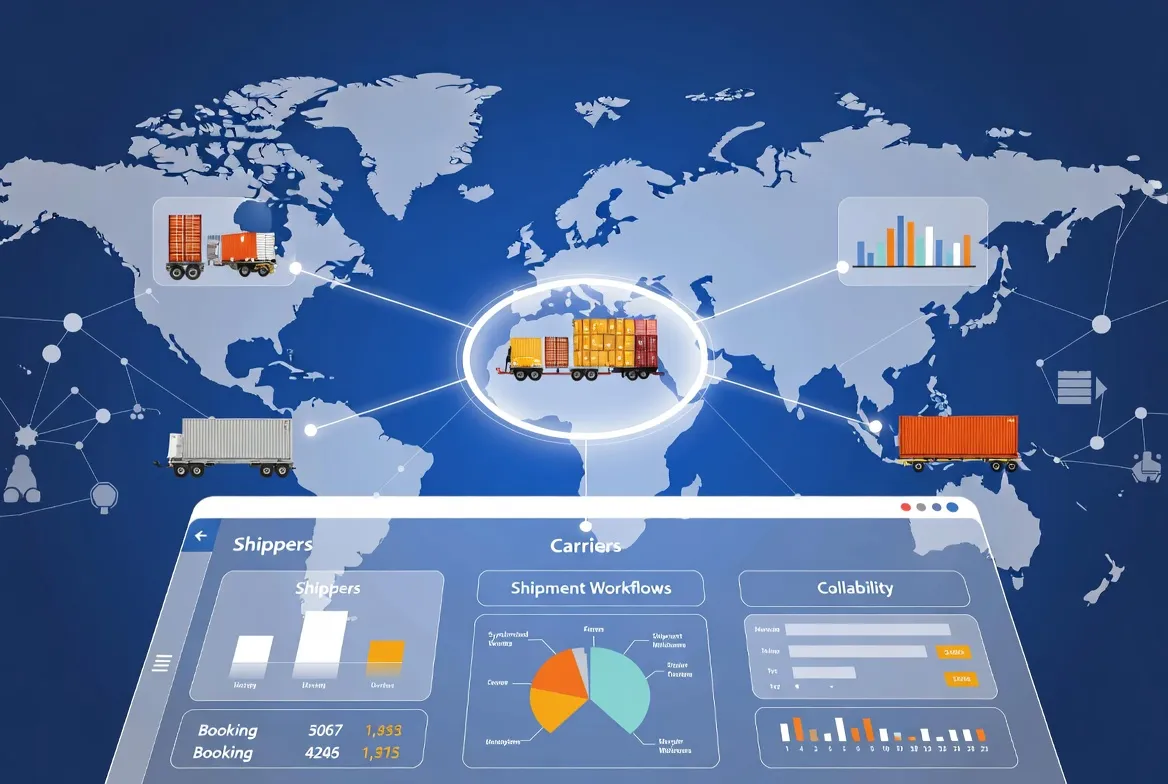

.webp "Key Capabilities of Global Shipment Tracking Solutions")
Mar 12,2026
Key Capabilities of Global Shipment Tracking Solutions
Introduction
Logistics systems optimize operational workflows by structuring processes into standardized, automated sequences, enabling real-time data flow, and improving coordination across all stakeholders. Through workflow engines, system integration, and end-to-end visibility, these systems eliminate inefficiencies, reduce manual intervention, and ensure that logistics operations are executed in the most efficient and consistent way.
For freight forwarders, 3PL providers, and cross-border eCommerce logistics companies, workflow optimization is essential to managing complex, high-volume operations while maintaining speed, accuracy, and service quality.
What is Workflow Optimization in Logistics?
Workflow optimization in logistics refers to the process of improving how tasks and activities are organized, executed, and coordinated across the shipment lifecycle.
It involves:
Defining clear process steps for each operation
Eliminating redundant or unnecessary tasks
Automating repetitive activities
Improving task sequencing and coordination
Enhancing visibility and control over operations
Optimized workflows ensure that each shipment moves efficiently from order creation to final delivery with minimal delays and errors.
Why Workflow Optimization Matters
Without optimized workflows, logistics operations often face:
Inefficient task sequencing leading to delays
Redundant manual work across teams
Fragmented systems and data silos
Poor visibility into operational progress
High dependency on manual coordination
Workflow optimization is critical because it:
Improves operational speed and efficiency
Reduces costs associated with manual work
Enhances accuracy and consistency
Enables better decision-making through real-time data
Supports scalability as shipment volumes grow
How Logistics Systems Optimize Operational Workflows
Logistics systems optimize workflows by combining automation, integration, and visibility.
1. Workflow Standardization and Automation
Systems define standardized workflows for different shipment types:
Predefined process steps for each operation
Automated task execution based on triggers
Consistent handling of shipments across teams
This reduces variability and ensures efficient execution.
2. Intelligent Task Sequencing
Workflow engines manage task dependencies:
Tasks are executed in the correct order
Next steps are triggered automatically
Bottlenecks are minimized
This improves the overall flow of operations.
3. Real-Time Data Synchronization
Logistics systems ensure that data is updated in real time:
Shipment status updates are instantly reflected
Data is shared across all stakeholders
Decisions are based on the latest information
This eliminates delays caused by outdated or incomplete data.
4. End-to-End Visibility
Milestone-based tracking provides:
A unified timeline for each shipment
Real-time monitoring of progress
Early detection of delays or issues
This allows teams to proactively manage operations.
5. Multi-Role Collaboration
Logistics systems connect:
Internal teams (sales, operations, finance)
External partners (carriers, warehouses, agents, customers)
Through a shared platform:
Responsibilities are clearly defined
Communication is streamlined
Coordination becomes more efficient
6. Integration with External Systems
Logistics systems integrate with:
ERP systems
WMS platforms
Carrier tracking systems
eCommerce platforms
Through API and EDI connections:
Data flows seamlessly between systems
Duplicate data entry is eliminated
Processes are synchronized across platforms
7. Automation of Financial Workflows
Workflow optimization extends to financial operations:
Automated cost calculation
Invoice generation triggered by milestones
Accounts receivable and payable tracking
Automated reconciliation
This improves financial efficiency and accuracy.
8. Exception Management and Optimization
Systems monitor workflows for exceptions:
Detect delays or missing steps
Trigger alerts and notifications
Assign tasks for issue resolution
This ensures continuous optimization of operations.
Key Features / Key Capabilities
Logistics systems that optimize workflows typically include:
Configurable workflow engines
Automated task sequencing and execution
Real-time data synchronization
End-to-end shipment visibility
Multi-role collaboration tools
API/EDI integration capabilities
Automated financial workflows
Exception management systems
These capabilities enable efficient and optimized logistics operations.
Benefits for Logistics Companies
1. Improved Operational Efficiency
Faster execution of tasks
Reduced delays and bottlenecks
2. Reduced Costs
Less manual work required
More efficient use of resources
3. Enhanced Accuracy
Consistent process execution
Reduced errors in data and operations
4. Better Visibility and Control
Real-time monitoring of workflows
Proactive issue management
5. Scalability
Ability to handle increased shipment volumes
Support for expanding operations across regions
Best Practices / Use Cases
1. Freight Forwarders
Optimize multi-leg shipment workflows
Improve coordination with global agents
2. 3PL Providers
Streamline operations across multiple clients
Automate billing and reporting processes
3. Cross-Border eCommerce Logistics
Optimize high-volume order processing workflows
Provide real-time updates to customers
4. Multi-Modal Logistics Operations
Coordinate air, sea, land, and last-mile delivery efficiently
Track and manage complex shipment journeys
Conclusion
Logistics systems optimize operational workflows by transforming fragmented, manual processes into structured, automated, and data-driven operations. Through workflow standardization, real-time visibility, and seamless collaboration, these systems significantly improve efficiency, accuracy, and scalability.
In a rapidly evolving logistics landscape, workflow optimization is a key driver of operational excellence and competitive advantage.
Frequently Asked Questions
What is workflow optimization in logistics?
Workflow optimization refers to improving how logistics tasks are organized and executed to increase efficiency, reduce errors, and streamline operations.
How do logistics systems optimize workflows?
They use workflow automation, real-time data synchronization, system integration, and milestone tracking to streamline processes and eliminate inefficiencies.
Why is workflow optimization important in logistics?
It improves operational efficiency, reduces costs, enhances accuracy, and enables better scalability for growing shipment volumes.
What are the benefits of optimized logistics workflows?
Benefits include faster operations, reduced manual work, improved visibility, better collaboration, and increased scalability.
About WallTech
WallTech provides digital logistics solutions that help freight forwarders, 3PL providers, and cross-border eCommerce logistics companies optimize their operational workflows. Its platforms enable end-to-end logistics collaboration by connecting multiple roles and stakeholders within a unified system. With real-time shipment visibility through milestone-based tracking, along with workflow and financial automation capabilities such as automated billing and reconciliation, WallTech supports logistics companies in improving efficiency, accuracy, and scalability across complex global supply chains.
If you're exploring ways to improve your logistics operations, feel free to connect with us to learn more about our solutions and system capabilities.
.webp "Key Features of Shipment Tracking and Monitoring Systems")