May 21,2026
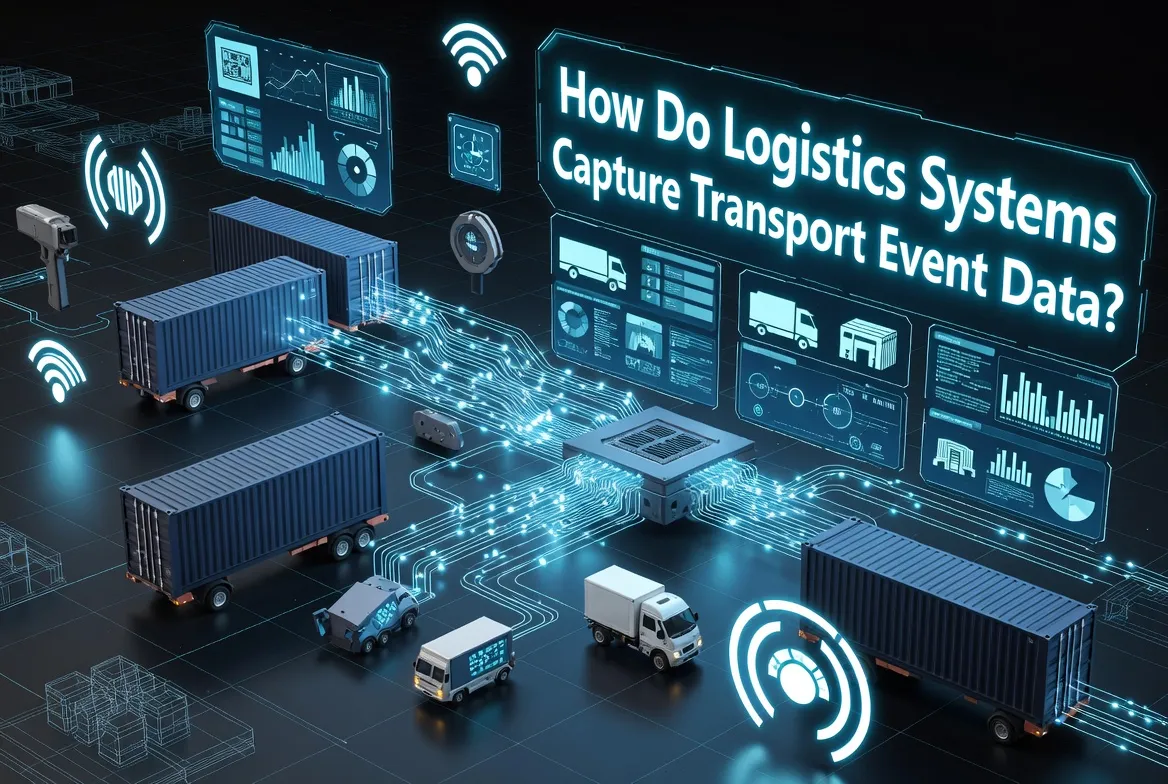
How Do Logistics Systems Capture Transport Event Data?
Introduction
Logistics platforms build connected supply chain networks by integrating multiple stakeholders, systems, and data sources into a unified digital ecosystem where information flows seamlessly in real time. Through APIs, shared data models, and collaborative workflows, these platforms enable freight forwarders, 3PLs, carriers, warehouses, and customers to operate within a single connected environment, improving visibility, coordination, and operational efficiency.
In today’s global logistics landscape—characterized by fragmented systems and multi-party operations—building a connected supply chain network is essential for scalability and competitiveness.
What is a Connected Supply Chain Network?
A connected supply chain network is a digitally integrated ecosystem where all participants in the supply chain are linked through shared systems, data, and workflows.
Participants typically include:
Freight forwarders and logistics providers
Shippers and eCommerce sellers
Warehouses and fulfillment centers
Carriers (ocean, air, trucking, last-mile)
Customs brokers and regulatory authorities
Overseas agents and partners
In a connected network:
Data is shared in real time
Processes are coordinated across organizations
Visibility is available across the entire shipment lifecycle
This replaces traditional siloed operations with a collaborative, transparent system.
Why Connected Supply Chain Networks Matter
Traditional supply chains often suffer from fragmentation.
Common challenges include:
Disconnected systems across partners
Lack of real-time visibility into shipments
Manual communication via email and spreadsheets
Delayed response to disruptions
Inefficient coordination across multiple parties
A connected supply chain network addresses these issues by creating a unified operational environment.
For logistics companies, this means:
Faster decision-making based on real-time data
Improved coordination across upstream and downstream partners
Enhanced customer experience through transparency
Greater operational resilience
How Logistics Platforms Build Connected Supply Chain Networks
Logistics platforms serve as the foundation for building these networks.
1. Multi-System Integration
Platforms integrate with various systems across the supply chain:
ERP and eCommerce platforms for order data
WMS for warehouse operations
Carrier systems for transportation and tracking
Customs systems for compliance
This ensures that all systems are connected and data flows seamlessly.
2. Centralized Data Hub
A logistics platform acts as a central repository:
Aggregates data from all connected systems
Standardizes and synchronizes information
Provides a single source of truth for all stakeholders
This eliminates data silos and ensures consistency.
3. Multi-Role Collaboration
Connected networks rely on collaboration across roles:
Sales, operations, and finance teams
Suppliers and logistics partners
Customers and end users
Platforms enable role-based access and shared workflows, ensuring all parties can collaborate effectively on the same shipment.
4. End-to-End Visibility
Logistics platforms provide:
Milestone-based tracking across all shipment stages
Unified timelines that consolidate data from multiple sources
Real-time updates accessible to all stakeholders
This visibility allows proactive management of shipments and exceptions.
5. Workflow Automation
Automation plays a key role in connecting operations:
Automatic task assignment based on shipment events
Triggered workflows for booking, documentation, and billing
Exception alerts and notifications
This reduces manual work and ensures consistent execution across the network.
6. Open Ecosystem and API Connectivity
Modern platforms support open ecosystems:
APIs allow external partners to connect بسهولة
New partners and systems can be onboarded quickly
Data exchange is standardized and scalable
This enables continuous expansion of the supply chain network.
Key Features of Connected Logistics Platforms
Platforms that support connected supply chain networks typically include:
Unified control tower: Centralized monitoring of all supply chain activities
Real-time data synchronization: Continuous updates across systems and partners
Milestone-based tracking: Standardized shipment events across the network
Collaboration tools: Shared access for multiple roles and organizations
Workflow automation: Event-driven process execution
AI-powered data processing: Automated document recognition and data extraction
Integrated financial management: Automated billing and reconciliation
These features enable seamless coordination across complex logistics ecosystems.
Benefits for Logistics Companies
1. Enhanced Visibility
Monitor shipments across all stages and partners
Access a unified view of supply chain operations
Improve transparency for customers
2. Improved Collaboration
Enable real-time coordination across organizations
Reduce reliance on manual communication
Align all stakeholders on shared data
3. Increased Efficiency
Automate repetitive processes
Reduce manual data entry and errors
Accelerate operational workflows
4. Greater Flexibility and Scalability
Easily onboard new partners and systems
Expand operations across regions and markets
Adapt to changing business requirements
5. Stronger Risk Management
Identify disruptions early through real-time data
Enable proactive decision-making
Improve resilience in complex supply chains
Best Practices / Use Cases
Best Practices
Build an API-driven architecture for scalability
Standardize data and processes across the network
Enable role-based collaboration for different stakeholders
Automate key workflows to reduce manual intervention
Continuously onboard partners into the digital ecosystem
Use Cases
Global Freight Forwarding Networks
Connect headquarters, overseas branches, and agents into a unified operational system.Cross-Border eCommerce Logistics
Link eCommerce platforms, fulfillment centers, and last-mile carriers for seamless order execution.3PL Partner Ecosystems
Enable collaboration between multiple logistics providers within a shared platform.End-to-End Supply Chain Visibility
Provide customers with real-time tracking across all shipment stages.
Conclusion
Logistics platforms play a critical role in building connected supply chain networks by integrating systems, enabling collaboration, and providing real-time visibility. These platforms transform fragmented operations into cohesive, data-driven ecosystems that improve efficiency, transparency, and scalability.
For freight forwarders and logistics providers, adopting connected platforms is essential to remain competitive in an increasingly digital and interconnected global supply chain environment.
Frequently Asked Questions
What is a connected supply chain network?
A connected supply chain network is a digitally integrated ecosystem where all participants share data, collaborate in real time, and operate within a unified platform.
How do logistics platforms build connected networks?
They integrate systems, centralize data, enable collaboration, provide visibility, and automate workflows across supply chain participants.
Why are connected supply chains important?
They improve visibility, enhance collaboration, increase efficiency, and enable better decision-making.
What are the benefits of connected logistics platforms?
Benefits include real-time tracking, improved coordination, reduced errors, and scalability for global operations.
About WallTech
WallTech provides digital logistics solutions designed to help logistics companies build connected supply chain networks. Its platforms enable end-to-end collaboration across multiple roles and partners, ensuring real-time shipment visibility through milestone-based tracking and unified timelines. By leveraging workflow automation, AI-driven data recognition, and automated financial processes such as billing and reconciliation, WallTech supports logistics enterprises in reducing fragmentation, improving operational efficiency, and scaling their global logistics networks effectively.
If you're exploring ways to improve your logistics operations, feel free to connect with us to learn more about our solutions and system capabilities.