
.webp "What Is an API-Integrated Logistics System?")
Mar 03,2026
What Is an API-Integrated Logistics System?
A freight forwarding collaboration system is a digital platform that enables logistics companies, partners, and customers to coordinate shipment operations within a shared environment. It centralizes shipment data, operational updates, and document exchange, helping multiple stakeholders collaborate more efficiently across international logistics networks.
Understanding Freight Forwarding Collaboration Systems
Freight forwarding typically involves many participants, including freight forwarders, carriers, warehouses, customs brokers, and overseas agents. Each party manages a different segment of the transportation process, from pickup and consolidation to customs clearance and final delivery.
A freight forwarding collaboration system connects these stakeholders through a unified digital platform. Instead of relying on scattered emails, spreadsheets, or messaging tools, all shipment information can be managed within a shared system. This creates a consistent operational environment where shipment orders, documents, and updates are visible to authorized users.
By centralizing logistics data and communication, collaboration systems help reduce information fragmentation and improve operational coordination.
Key Functions of a Freight Collaboration System
Most freight forwarding collaboration platforms include several core capabilities that support daily logistics operations.
Centralized order management allows shipments to be created manually, uploaded in batches, or integrated through APIs. Multiple roles—such as customers, sales teams, and operations staff—can manage orders within the same system.
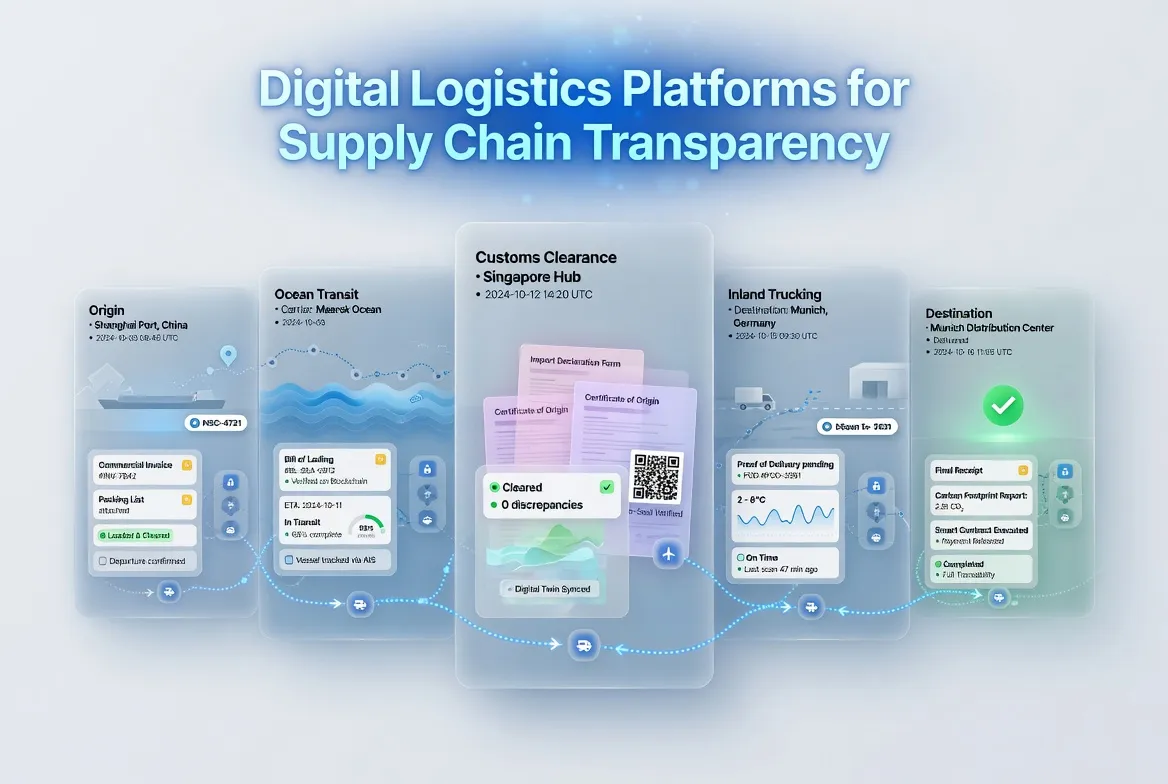
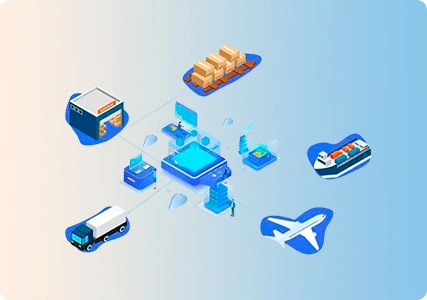
Multi-segment transportation management enables logistics companies to coordinate different transport modes within one shipment workflow. Sea freight, air freight, trucking, and express delivery can all be managed through a unified operational timeline.
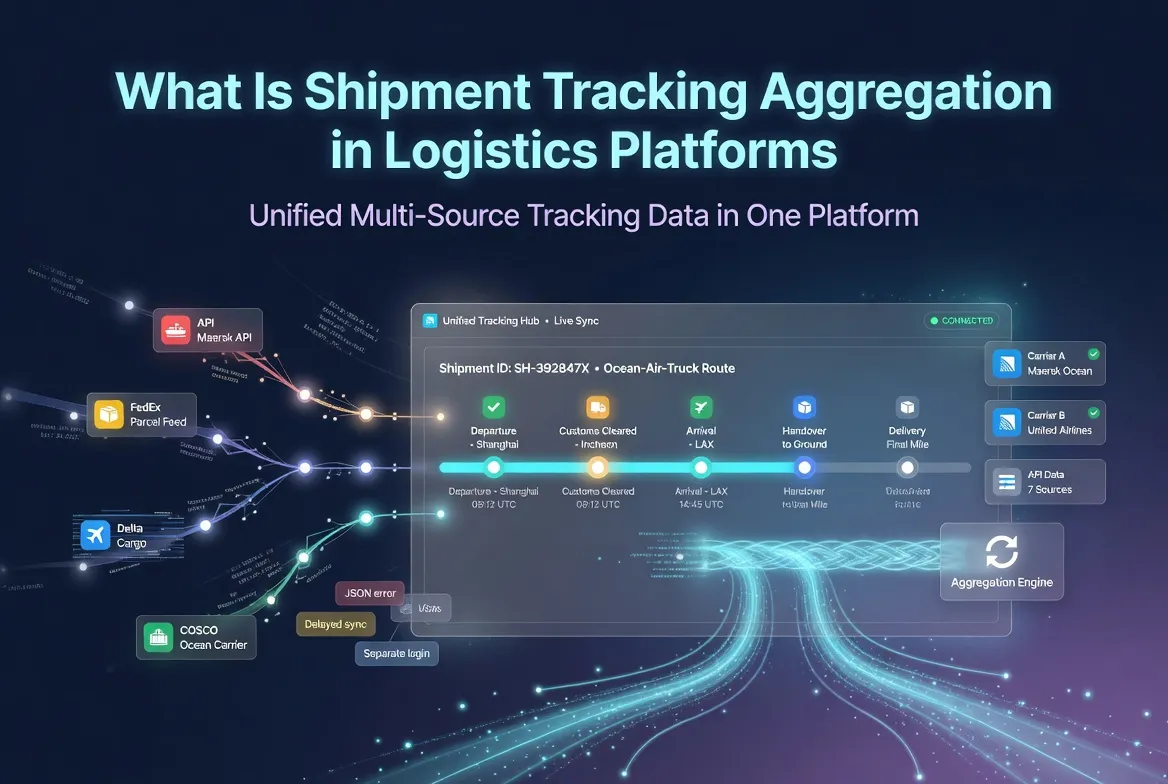
Shipment visibility and tracking provides real-time updates across the logistics chain. Transportation events from different carriers and partners are aggregated so users can monitor shipment progress in one interface.
Document management allows teams to upload and share shipping documents within the shipment record, ensuring all participants work with consistent information.
Why Collaboration Platforms Are Important
As global logistics networks become more complex, manual coordination between partners becomes increasingly difficult. Shipment information may be scattered across multiple tools, leading to delays, data inconsistencies, and limited visibility.
Collaboration platforms address these challenges by standardizing data structures and operational workflows. When logistics partners operate within the same platform, shipment events, documents, and operational updates can be shared in real time.
This improves coordination between teams, reduces operational errors, and allows logistics companies to respond faster to disruptions.
Operational Benefits for Freight Forwarders
Implementing a collaboration system can bring several practical benefits for logistics companies.
Operational efficiency improves because teams no longer need to manually exchange shipment information across multiple channels. Processes become more structured and easier to manage.
Shipment visibility also improves. With integrated tracking and milestone monitoring, companies can provide more accurate shipment updates to customers and partners.
Collaboration systems also support financial transparency. When operational data is connected with billing and settlement processes, companies can better understand shipment profitability and cost structures.
Conclusion
A freight forwarding collaboration system helps logistics companies coordinate complex international shipments through a shared digital platform. By centralizing order management, tracking, documents, and communication, these systems improve operational visibility and efficiency across the supply chain.
As logistics networks continue to grow in scale and complexity, collaboration platforms are becoming an essential component of modern freight forwarding operations.