

May 19,2026
How Do Logistics Companies Use Data to Optimize Freight Operations?
Introduction
Freight systems monitor cargo movement across supply chains by capturing, integrating, and analyzing data from multiple logistics touchpoints—such as carriers, warehouses, ports, and customs systems—into a centralized platform that provides real-time visibility and milestone-based tracking. These systems use event-driven data, system integrations, and automation to ensure that every stage of cargo movement is recorded and accessible.
In global logistics, where cargo flows across complex, multi-party networks, freight systems play a critical role in maintaining control, transparency, and operational efficiency.
What is Cargo Movement Monitoring?
Cargo movement monitoring refers to the process of tracking and managing the physical flow of goods across the entire supply chain, from origin to final delivery.
It includes:
Monitoring shipment location and status
Tracking key logistics events and milestones
Coordinating activities across multiple stakeholders
Ensuring data consistency across systems
Unlike basic tracking, cargo movement monitoring provides a comprehensive, end-to-end view of how goods move through interconnected logistics processes.
Why Cargo Movement Monitoring Matters
Supply chains today are highly fragmented and dynamic. A single shipment may involve multiple carriers, transport modes, customs procedures, and warehouse operations.
Without effective monitoring, companies face several challenges:
Limited visibility: Inability to track cargo across different systems and partners
Operational delays: Late identification of disruptions or bottlenecks
Manual coordination: Heavy reliance on emails, calls, and spreadsheets
Data inconsistencies: Conflicting information from different sources
Customer dissatisfaction: Lack of accurate and timely updates
Freight systems address these issues by providing a structured and unified approach to monitoring cargo movement.
How Freight Systems Monitor Cargo Movement
Freight systems rely on a combination of integration, event tracking, and automation to monitor cargo across supply chains.
1. Multi-Source Data Integration
Freight systems connect with:
Ocean carriers, airlines, and trucking companies
Port and terminal systems
Customs and regulatory platforms
Warehouse and inventory systems
These integrations ensure that data flows continuously from different parts of the supply chain into a central system.
2. Event-Driven Tracking
Cargo movement is monitored through key logistics events, such as:
Cargo booking and confirmation
Pickup and warehouse inbound
Container loading and departure
Port arrival and unloading
Customs clearance
Last-mile delivery
Each event updates the shipment record and reflects real-time progress.
3. Milestone-Based Monitoring
Freight systems define standardized milestones across the shipment lifecycle. This enables:
Consistent tracking across different shipments
Clear progress indicators
Easier identification of delays or missing events
Milestone-based tracking forms the backbone of end-to-end visibility.
4. Centralized Visibility Platform
All tracking data is aggregated into a unified interface that provides:
A complete view of cargo movement
A unified timeline of events
Role-based access for different stakeholders
This allows operations teams, partners, and customers to collaborate using the same data.
5. Automation and Data Processing
Advanced freight systems use automation to:
Match incoming data with shipment records
Standardize formats from different carriers
Trigger alerts for delays or anomalies
Initiate workflows based on shipment status
AI-driven data recognition further enhances accuracy and efficiency.
Key Features of Freight Monitoring Systems
Freight systems designed for cargo movement monitoring typically include:
End-to-end visibility: Track cargo across the entire supply chain
Milestone tracking: Monitor shipment progress through defined stages
Unified timeline: Consolidate all events into a single view
Multi-role collaboration: Enable coordination across teams and partners
Real-time updates: Continuous data synchronization
Exception management: Automated alerts for disruptions
Workflow automation: Trigger actions based on shipment events
Data integration capabilities: Connect with multiple external systems
These features help eliminate information silos and improve operational control.
Benefits for Logistics Companies
Freight systems provide significant advantages for freight forwarders, 3PLs, and cross-border logistics providers.
Improved Operational Efficiency
Reduce manual tracking and data entry
Streamline workflows through automation
Improve process consistency
Enhanced Visibility and Control
Gain real-time insights into cargo movement
Monitor progress across all supply chain stages
Identify and resolve issues proactively
Better Collaboration
Connect upstream suppliers and downstream partners
Enable multi-role coordination across departments
Ensure all stakeholders access the same data
Increased Customer Satisfaction
Provide accurate and timely shipment updates
Improve transparency and trust
Reduce customer inquiries
Best Practices / Use Cases
To effectively monitor cargo movement, logistics companies should adopt the following practices:
1. Centralize Data Management
Use a unified freight system to consolidate all tracking and operational data into a single platform.
2. Standardize Tracking Milestones
Define consistent milestones across all shipments to ensure clarity and comparability.
3. Enable End-to-End Visibility
Ensure visibility across all stages, including first mile, line haul, and last mile.
4. Automate Monitoring Processes
Leverage automation for:
Event capture and updates
Exception alerts
Workflow triggers
5. Integrate Across Systems
Connect freight systems with:
Order management systems
Warehouse management systems
Financial and billing systems
Example Use Case
A global freight forwarder managing shipments across Asia, Europe, and North America can use a freight system to:
Track container movement across multiple carriers and ports
Monitor customs clearance and inland transportation
Coordinate with overseas agents and local partners
Automatically trigger invoicing after delivery milestones
Conclusion
Freight systems are essential for monitoring cargo movement across complex global supply chains. By integrating data, capturing key events, and providing a unified view of shipment progress, these systems enable logistics companies to maintain control, improve efficiency, and enhance collaboration.
As supply chains continue to grow in complexity, effective cargo monitoring will remain a critical capability for achieving operational excellence.
Frequently Asked Questions
What is cargo movement monitoring in logistics?
Cargo movement monitoring is the process of tracking and managing the flow of goods across the entire supply chain using integrated systems and real-time data.
How do freight systems monitor cargo movement?
They integrate data from carriers and systems, capture key logistics events, and present the information in a centralized platform with real-time updates.
Why is cargo monitoring important?
It improves visibility, enables proactive issue management, enhances collaboration, and ensures efficient logistics operations.
What are the benefits of freight monitoring systems?
Benefits include reduced manual work, improved operational control, better customer service, and increased transparency.
About WallTech
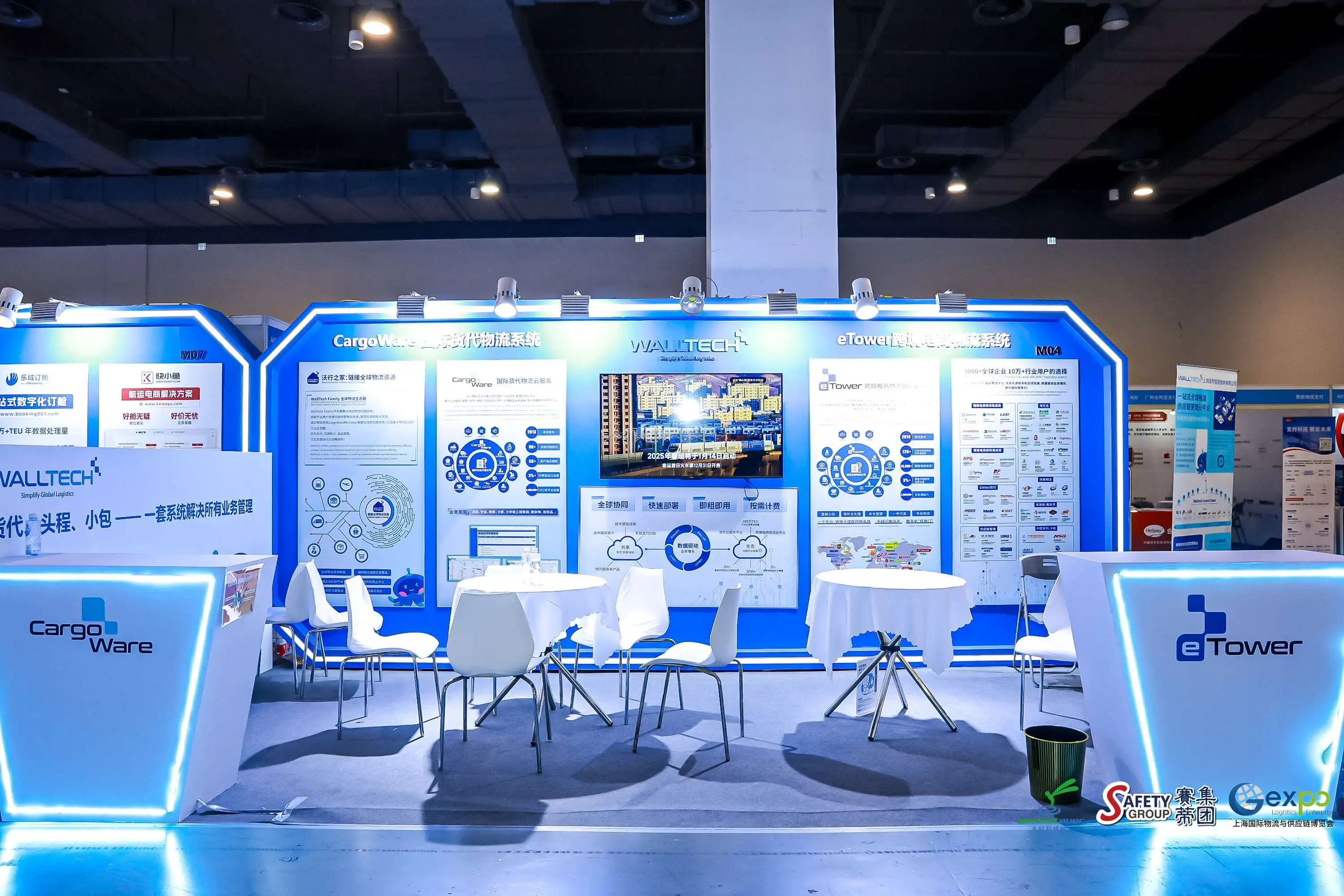
WallTech offers digital logistics solutions that support end-to-end cargo movement monitoring across global supply chains. Its platforms are designed to enable real-time shipment visibility and milestone-based tracking while connecting multiple stakeholders through a collaborative system. By facilitating seamless coordination between upstream and downstream partners and incorporating automation capabilities such as AI-driven data processing, workflow automation, and financial reconciliation, WallTech helps logistics companies improve efficiency, reduce operational complexity, and scale their business effectively.
If you're exploring ways to improve your logistics operations, feel free to connect with us to learn more about our solutions and system capabilities.
.webp "How Logistics Platforms Deliver Cross-Border Logistics Workflows")