




May 12,2026
Why Do Logistics Companies Implement Freight Automation Platforms?
Introduction
As logistics operations become increasingly complex, the architecture of logistics platforms plays a critical role in determining system performance, scalability, and adaptability. Traditional monolithic systems often struggle to handle the dynamic demands of modern supply chains.
Digital systems address these challenges by enabling more flexible, integrated, and scalable platform architectures. By leveraging modular design, real-time data exchange, and automation, logistics platforms can evolve into robust digital infrastructures capable of supporting global operations.
What Is Logistics Platform Architecture?
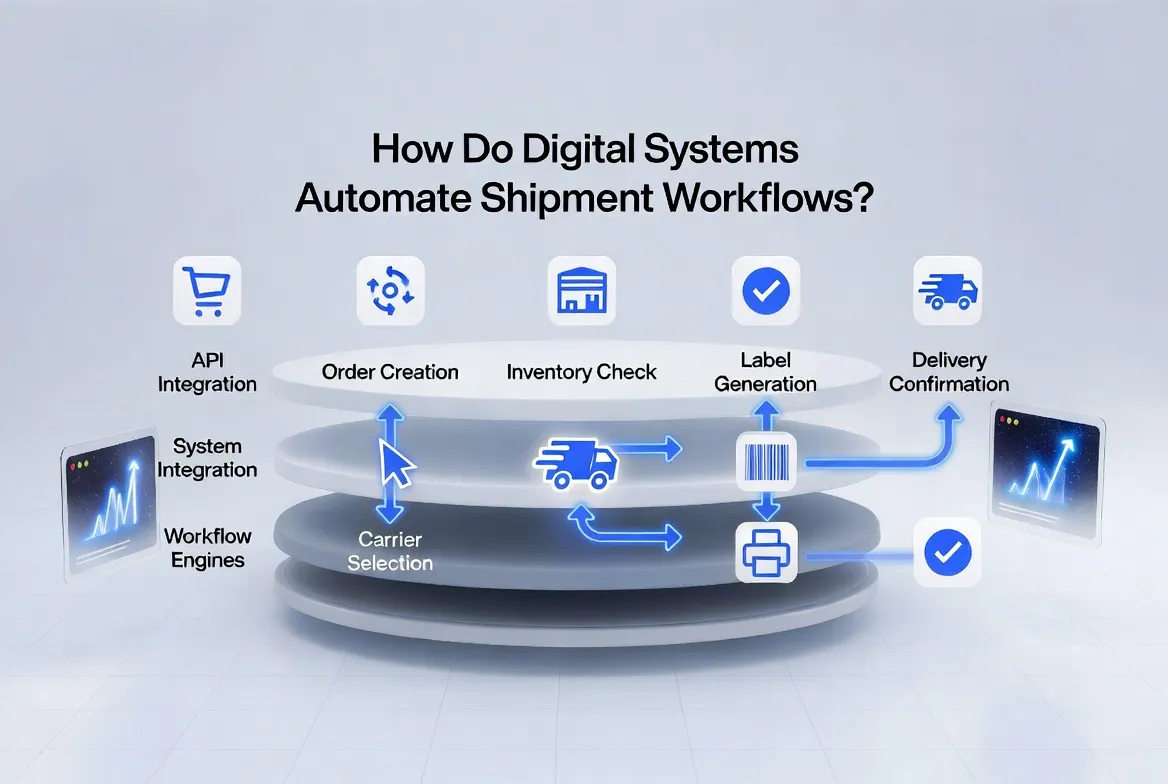
Logistics platform architecture refers to the structural design of a logistics system, including how its components, data flows, and integrations are organized.
It typically includes:
Core operational modules (order, shipment, finance)
Integration layers (APIs, EDI connections)
Data management systems
Workflow and automation engines
User interfaces and access control systems
A well-designed architecture ensures that all these components work together efficiently and can adapt to changing business needs.
Limitations of Traditional Architectures
1. System Silos
Older systems often operate independently, leading to fragmented data and inefficient workflows.
2. Limited Scalability
Monolithic architectures can struggle to handle increasing shipment volumes or expanding business operations.
3. Poor Integration Capabilities
Traditional systems may lack the flexibility to integrate with external platforms, making it difficult to connect with partners and new technologies.
4. Delayed Data Processing
Without real-time capabilities, data updates may be delayed, reducing operational visibility and responsiveness.
How Digital Systems Transform Platform Architecture
1. Modular System Design
Digital systems enable modular architectures where different functions are separated into independent components.
Examples of modules include:
Order management
Transportation execution
Warehouse operations
Financial processing
Each module can be developed, updated, or scaled independently, improving system flexibility and maintainability.
2. API-Driven Integration Layer
Modern logistics platforms rely on APIs to connect with internal and external systems.
API-driven architecture allows:
Real-time data exchange between systems
Seamless integration with ERP, WMS, and carrier platforms
Easy onboarding of new partners and services
This creates a highly connected ecosystem that supports efficient operations.
3. Real-Time Data Synchronization
Digital systems enable continuous data flow across the platform.
Key capabilities include:
Automatic synchronization of shipment data
Real-time tracking updates
Immediate reflection of operational changes
For example, tracking events from multiple sources can be aggregated into a unified timeline, providing up-to-date visibility across all shipment stages.
4. Workflow-Oriented Architecture
Modern platforms are designed around workflows rather than isolated functions.
This approach includes:
Defining standardized operational processes
Automating task execution based on milestones
Triggering alerts and notifications
Workflow-oriented architecture ensures that operations follow consistent procedures and reduces manual coordination.
5. Centralized Data Layer
Digital systems often incorporate a centralized data layer that serves as a single source of truth.
Benefits include:
Consistent data across all modules
Simplified reporting and analytics
Improved data governance
This structure supports better decision-making and operational transparency.
6. Cloud-Based Infrastructure
Many modern logistics platforms are built on cloud infrastructure.
Advantages include:
Scalability to handle increasing workloads
High availability and reliability
Easier deployment and updates
Cloud-based architecture also supports global access and collaboration.
7. Built-In Automation Capabilities
Digital systems integrate automation directly into platform architecture.
This includes:
Rule-based task execution
Automated data processing
Exception detection and alerts
Automation reduces manual effort and improves operational efficiency.
Benefits of Improved Platform Architecture
Enhanced Scalability
Modular and cloud-based architectures allow platforms to scale with business growth.
Greater Flexibility
Companies can adapt systems to new requirements, integrate new services, and modify workflows بسهولة.
Improved Performance
Efficient data flow and system design result in faster processing and reduced latency.
Better Integration
API-driven architecture enables seamless connectivity with external systems and partners.
Stronger Visibility
Real-time data synchronization provides comprehensive visibility across operations.
Best Practices for Designing Logistics Platform Architecture
1. Adopt a Modular Approach
Design systems with independent modules to improve flexibility and maintainability.
2. Prioritize Integration
Ensure that the architecture supports seamless integration with internal and external systems.
3. Focus on Real-Time Capabilities
Implement real-time data processing to enhance visibility and responsiveness.
4. Use Cloud Infrastructure
Leverage cloud technologies to support scalability and reliability.
5. Embed Automation
Incorporate automation into system design to streamline workflows and reduce manual work.
Challenges to Consider
System Complexity
Modern architectures can be complex and require careful planning and management.
Integration Effort
Connecting multiple systems may require significant technical resources.
Data Governance
Maintaining data consistency across modules requires strong governance practices.
Conclusion
Digital systems play a crucial role in improving logistics platform architecture. By enabling modular design, real-time data exchange, and seamless integration, they transform traditional systems into flexible and scalable digital infrastructures.
As logistics operations continue to evolve, companies that invest in modern platform architecture will be better equipped to handle complexity, improve efficiency, and maintain a competitive edge in the global logistics industry.

.webp "Key Components of a Modern Freight Forwarding Operations Platform")


