May 18,2026
How Do Logistics Platforms Support Accounts Receivable and Payable?
Introduction
Logistics data platforms for supply chain data management are centralized systems that collect, standardize, and manage logistics data across multiple operations, partners, and systems to enable accurate, real-time decision-making and efficient coordination. In modern logistics environments, these platforms serve as the foundation for handling fragmented data, ensuring consistency, and supporting end-to-end operational visibility.
As supply chains become increasingly global and complex, logistics companies—especially freight forwarders, 3PLs, and cross-border eCommerce providers—face growing challenges in managing large volumes of operational, financial, and shipment-related data. A structured data platform is no longer optional; it is critical for scalable and efficient supply chain management.
What is Logistics Data Platforms for Supply Chain Data Management
A logistics data platform for supply chain data management is a unified system designed to:
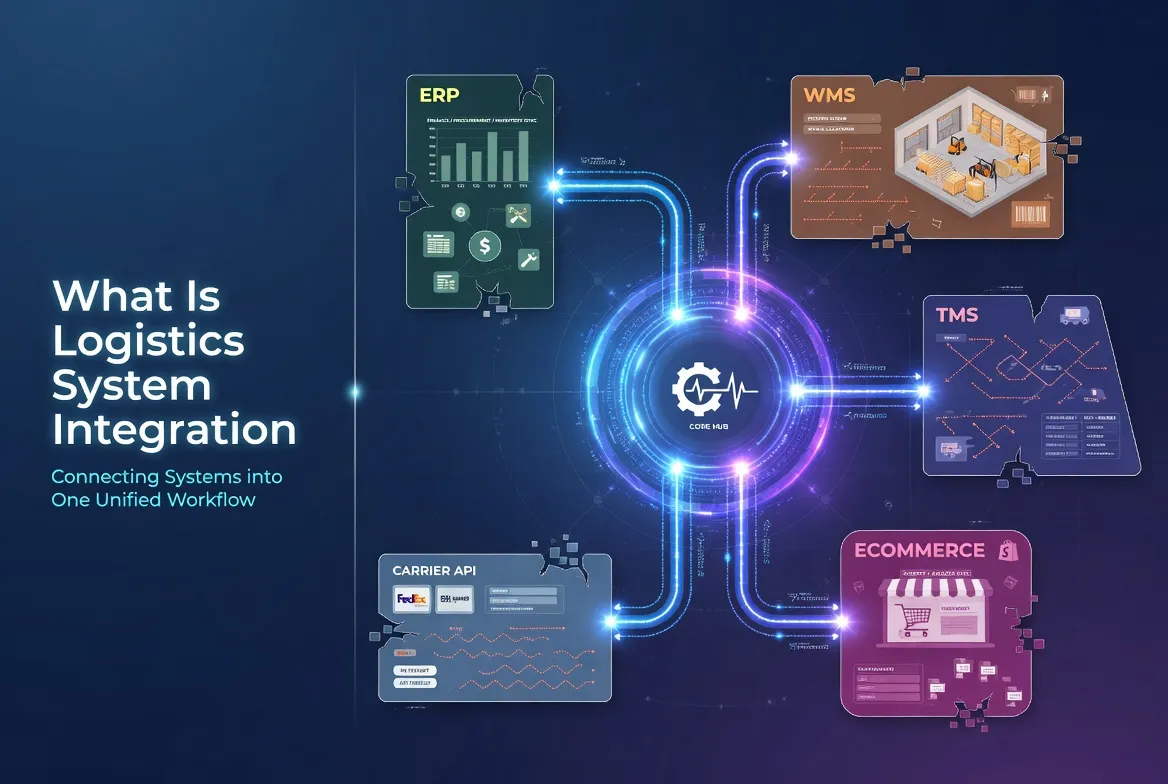
Aggregate data from multiple sources (ERP, WMS, TMS, carriers, customs systems)
Standardize and structure data for consistency
Enable real-time access and synchronization across stakeholders
Support analysis, reporting, and operational workflows
Unlike isolated systems, a logistics data platform acts as a central data layer, connecting all parts of the supply chain.
Typical data managed includes:
Shipment data (status, milestones, routing)
Operational data (orders, documents, workflows)
Financial data (costs, revenue, billing)
Partner data (carriers, agents, customers)
Why Logistics Data Platforms Matter
1. Elimination of Data Silos
Many logistics companies operate across multiple disconnected systems, leading to:
Duplicate data entry
Inconsistent information
Delayed updates
A centralized platform ensures all stakeholders work from the same dataset.
2. Improved Data Accuracy
Manual data handling increases the risk of errors. With structured data management:
Data validation becomes automated
AI-based recognition reduces input mistakes
Standardized formats ensure consistency
3. Real-Time Visibility
Supply chain operations require timely updates. A data platform enables:
End-to-end shipment tracking
Milestone-based visibility
Unified timelines across all transport stages
4. Better Collaboration
Logistics involves multiple roles and external partners. A shared data environment allows:
Seamless upstream/downstream communication
Real-time data sharing across teams
Reduced reliance on emails and spreadsheets
How Logistics Data Platforms Work
A logistics data platform typically operates through several layers:
1. Data Integration Layer
Connects with external and internal systems via APIs and EDI
Collects data from carriers, warehouses, customs, and ERP systems
Ensures continuous data flow
2. Data Processing Layer
Cleans and standardizes incoming data
Applies validation rules
Structures data into usable formats
3. Data Storage Layer
Centralized database or data warehouse
Supports large-scale operational and historical data
Enables fast retrieval and scalability
4. Application Layer
Provides dashboards, workflows, and reporting tools
Enables operational execution (orders, billing, tracking)
Supports automation and alerts
5. Collaboration Layer
Connects internal teams (sales, operations, finance)
Links external stakeholders (customers, partners)
Enables role-based access and permissions
Key Features / Key Capabilities
A modern logistics data platform for supply chain data management includes:
1. Unified Data Center
Centralized repository for all logistics data
Eliminates duplication and inconsistencies
Supports cross-system data synchronization
2. End-to-End Visibility
Milestone-based shipment tracking
Real-time updates across all transport stages
Unified timeline for all stakeholders
3. Multi-Role Collaboration
Role-based workspaces for different teams
Shared access to shipment and operational data
Seamless coordination between internal and external parties
4. Data Integration Capabilities
API and EDI connectivity with third-party systems
Integration with ERP, WMS, TMS, and customs platforms
Continuous data synchronization
5. Automation and AI Capabilities
AI data recognition (e.g., OCR for documents)
Automated workflow triggers
Automated billing and reconciliation processes
6. Data Governance and Security
Role-based access control
Data encryption and compliance mechanisms
Audit trails for tracking changes
These capabilities are essential for building a scalable and reliable supply chain data environment, as demonstrated by modern logistics SaaS platforms that emphasize unified data layers and open integration architecture .
Benefits for Logistics Companies
1. Increased Operational Efficiency
Reduced manual data entry
Faster processing of shipments and documents
Streamlined workflows
2. Enhanced Decision-Making
Access to real-time and historical data
Data-driven insights for planning and optimization
Improved forecasting accuracy
3. Improved Financial Control
Accurate cost and revenue tracking
Automated billing processes
Reduced financial discrepancies
4. Scalability for Global Operations
Supports multi-branch and multi-region operations
Enables global collaboration across time zones
Handles increasing data volumes efficiently
5. Better Customer Experience
Real-time shipment updates
Transparent communication
Faster response times
Best Practices / Use Cases
1. Freight Forwarders Managing Multi-Party Operations
Use a data platform to:
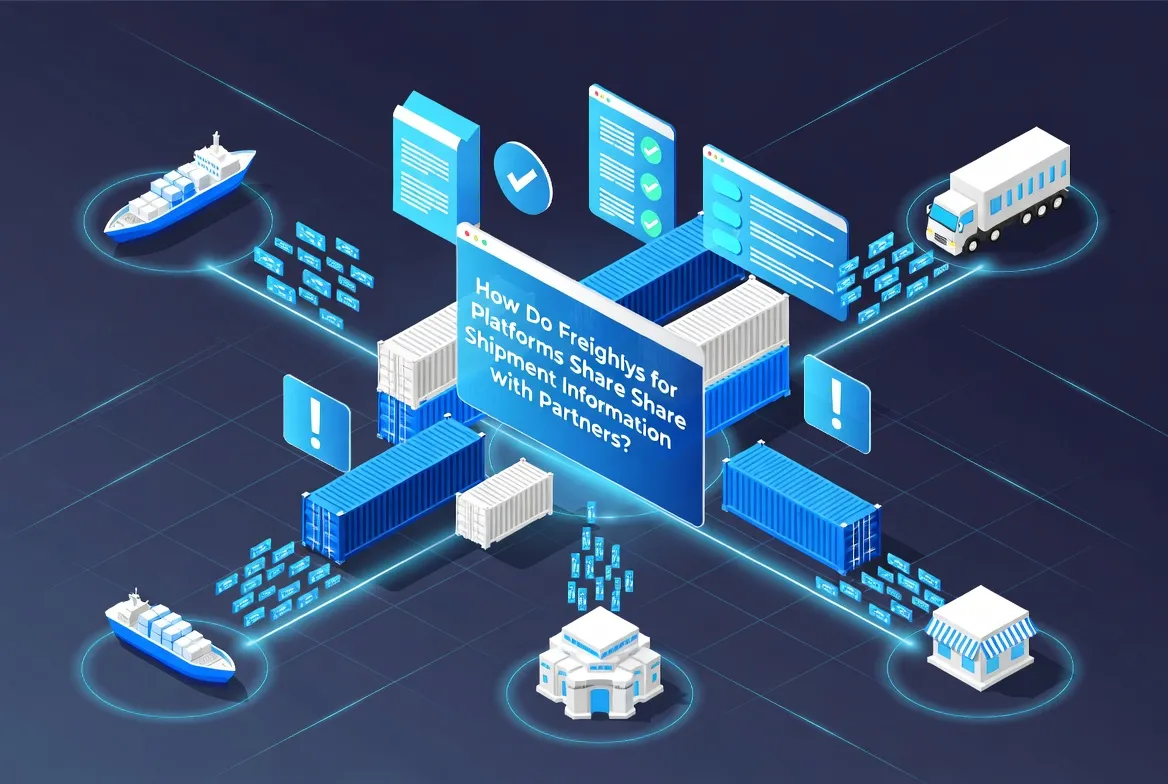
Connect shippers, carriers, and overseas agents
Share real-time shipment data
Coordinate documentation and milestones
2. 3PL Companies Handling Complex Workflows
Integrate warehouse, transportation, and financial systems
Automate order processing and billing
Track operational performance
3. Cross-Border eCommerce Logistics
Manage high-volume parcel data
Integrate with eCommerce platforms and last-mile carriers
Monitor delivery performance across regions
4. Financial and Operational Integration
Link operational data with financial processes
Automate reconciliation and invoicing
Improve profitability analysis
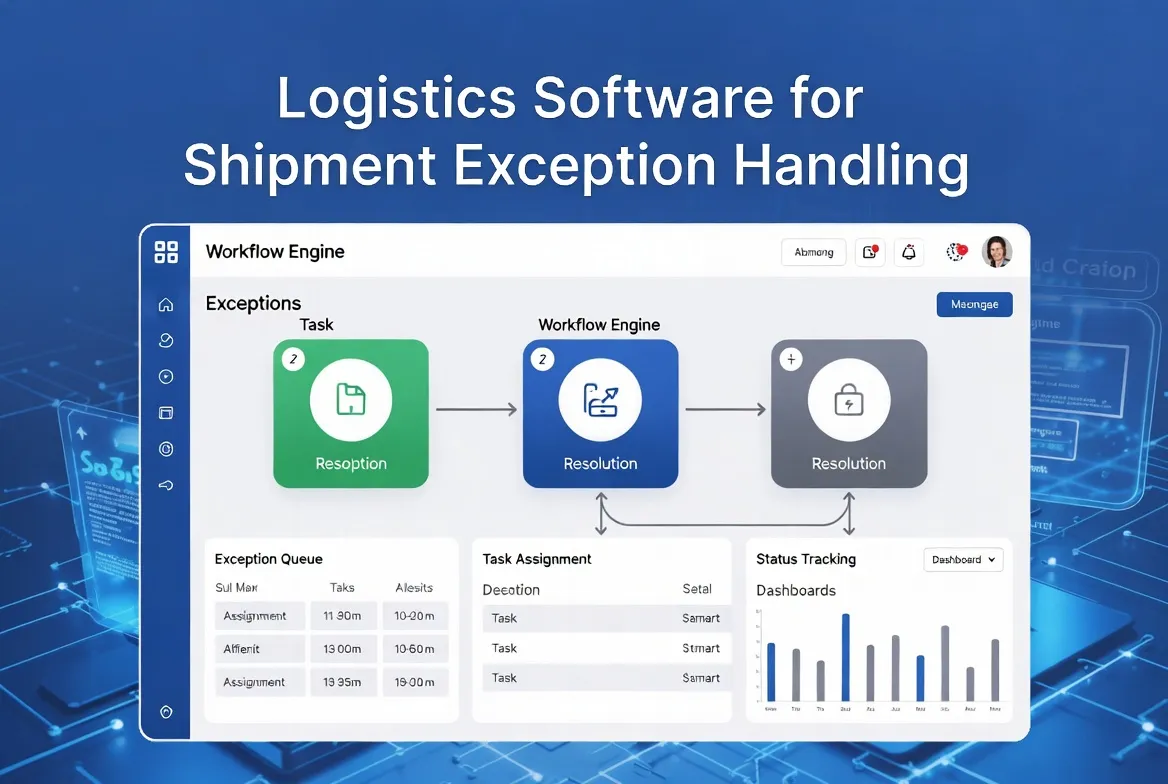
5. Exception Management
Set alerts for delays or anomalies
Automatically notify relevant stakeholders
Enable proactive issue resolution
Conclusion
Logistics data platforms for supply chain data management play a critical role in modern logistics by centralizing data, improving visibility, and enabling efficient collaboration across complex global operations. As supply chains continue to evolve, companies that adopt structured, integrated data platforms will be better positioned to scale, reduce costs, and deliver superior service.
Frequently Asked Questions
What is a logistics data platform in supply chain management?
A logistics data platform is a centralized system that collects, standardizes, and manages supply chain data across multiple systems and stakeholders. It enables real-time visibility and efficient data-driven operations.
How does a logistics data platform work?
It integrates data from various sources, processes and standardizes it, stores it centrally, and provides tools for analysis, workflows, and collaboration across the supply chain.
Why is supply chain data management important?
It ensures data accuracy, reduces operational inefficiencies, and enables better decision-making by providing real-time insights into logistics operations.
What are the benefits of logistics data platforms?
They improve efficiency, enhance visibility, support automation, enable collaboration, and provide better financial and operational control.
Who needs a logistics data platform?
Freight forwarders, 3PL providers, and cross-border eCommerce logistics companies benefit most, especially those managing complex, multi-party supply chains.
About WallTech
WallTech is a digital logistics solution provider focused on enabling global logistics companies to manage operations more efficiently through integrated SaaS platforms. Its solutions support end-to-end logistics collaboration, allowing multiple stakeholders—across regions and roles—to work within a unified system environment. By combining real-time shipment visibility, structured data management, and workflow automation, WallTech helps logistics enterprises streamline operations, improve financial accuracy, and scale their global business with greater control and efficiency.
If you're exploring ways to improve your logistics operations, feel free to connect with us to learn more about our solutions and system capabilities.