
Mar 27,2026
Logistics Software for Client Communication and Tracking
Introduction
Agent collaboration is a critical part of international logistics operations. Freight forwarders often work with overseas agents, local partners, and regional service providers to manage shipments across different countries. Effective agent collaboration ensures smooth coordination of shipment operations, accurate information exchange, and reliable service delivery.
What Is Agent Collaboration in Logistics?
Agent collaboration refers to the operational coordination between logistics companies and their network of overseas or regional agents. These agents typically handle local responsibilities such as cargo handling, customs clearance, last-mile delivery, and customer communication.
Because international shipments pass through multiple locations, freight forwarders rely on trusted partners to manage operations in different regions. Maintaining clear communication and structured workflows between these partners is essential for successful logistics operations.
However, managing agent collaboration can become complex when shipment volumes increase or when partners rely on different systems and communication methods.
Common Challenges in Agent Collaboration
Many logistics companies still manage agent collaboration through manual processes such as email communication, spreadsheets, and messaging applications. While these methods may work in smaller operations, they can create several operational challenges.
Information may become fragmented when shipment updates are exchanged across different channels. Operational instructions may also be misunderstood if communication is not standardized.
Additionally, delays in information sharing can impact shipment timelines and reduce visibility across the supply chain. These challenges highlight the importance of structured collaboration processes when working with global logistics agents.
Best Practices for Effective Agent Collaboration
1. Use Centralized Logistics Platforms
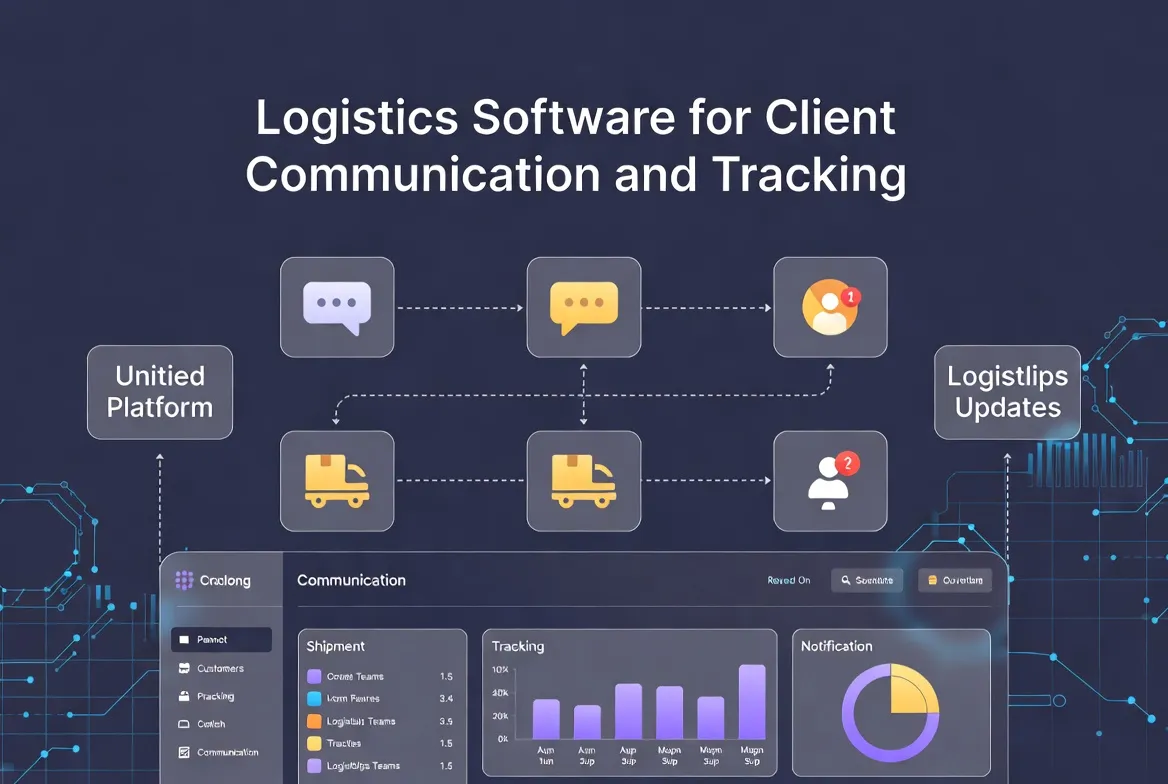
Digital logistics platforms allow companies and agents to access shipment information through a shared system. Orders, tracking events, and operational updates can be managed within the same platform.
This centralized structure helps ensure that all partners are working with consistent shipment data.
2. Standardize Operational Workflows
Clear and standardized operational processes help agents understand how shipments should be handled at each stage. This includes defined procedures for cargo handling, documentation, and shipment updates.
Standardized workflows reduce misunderstandings and improve operational consistency.
3. Maintain Transparent Shipment Tracking
Providing shared access to shipment tracking information improves coordination between agents and logistics teams. When all partners can monitor shipment progress, operational planning becomes more efficient.
This visibility also allows agents to quickly identify delays or operational issues.
4. Establish Clear Communication Channels
Even with digital platforms, communication between logistics partners remains important. Companies should define clear communication protocols for operational updates, exception handling, and urgent shipment issues.
Structured communication reduces confusion and improves response times.
5. Monitor Operational Performance
Freight forwarders should regularly evaluate the performance of their agent partners. Monitoring operational metrics such as shipment timeliness, documentation accuracy, and communication efficiency helps maintain high service standards.
Performance monitoring also supports long-term collaboration with reliable partners.
Benefits of Strong Agent Collaboration
When agent collaboration is well managed, logistics companies can operate more efficiently across international markets.
Operations become smoother because partners follow standardized procedures and share shipment information consistently. Shipment visibility improves as operational updates are recorded across the logistics network.
Strong collaboration also helps logistics companies expand their global reach. By building reliable agent partnerships, freight forwarders can provide services in multiple regions without maintaining physical offices in every location.
Conclusion
Agent collaboration is essential for managing international logistics operations. As shipments move across multiple countries and service providers, coordination between logistics partners becomes increasingly important.
By adopting digital collaboration platforms, standardizing workflows, and maintaining clear communication with agents, logistics companies can improve operational efficiency and maintain more reliable global logistics networks.