Apr 24,2026
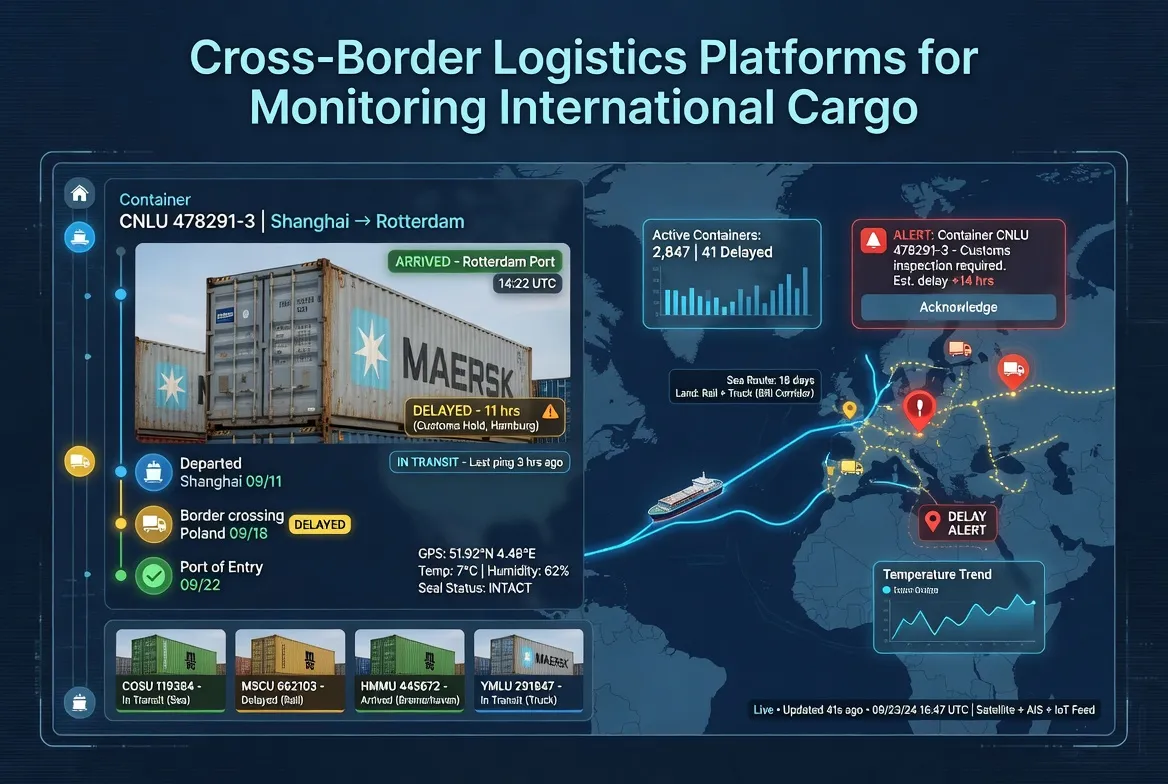
Cross-Border Logistics Platforms for Monitoring International Cargo
Introduction
Logistics systems capture transport event data by collecting real-time updates from carriers, warehouses, ports, and other logistics stakeholders, then standardizing and mapping these updates into structured events within a centralized platform. These events—such as pickup, departure, arrival, and delivery—form the foundation of shipment tracking and visibility across the supply chain.
In modern logistics operations, transport event data is critical for enabling accurate tracking, automation, and coordination across complex, multi-party environments.
What is Transport Event Data?
Transport event data refers to discrete, time-stamped updates that describe specific actions or status changes in the movement of goods throughout the logistics process.
Common transport events include:
Shipment booking confirmation
Cargo pickup
Warehouse inbound and outbound
Departure and arrival at ports or airports
Customs clearance status
Final delivery confirmation
Each event represents a key moment in the shipment lifecycle and contributes to a complete operational record.
Why Transport Event Data Matters
Transport event data is the backbone of shipment visibility and operational control. Without structured event data, logistics processes become opaque and difficult to manage.
Key challenges without effective event data capture include:
Lack of real-time visibility: Inability to track shipment progress accurately
Manual data collection: Heavy reliance on emails, phone calls, and spreadsheets
Inconsistent information: Different formats and standards across carriers
Delayed response to issues: Late detection of delays or disruptions
Limited automation: Inability to trigger workflows based on shipment status
Capturing and structuring transport event data enables logistics companies to overcome these challenges and operate more efficiently.
How Logistics Systems Capture Transport Event Data
Logistics systems use a combination of integration, automation, and data processing technologies to capture and manage transport event data.
1. Integration with External Systems
Logistics platforms connect with multiple external data sources, including:
Ocean carriers, airlines, and trucking providers
Port and terminal systems
Customs and regulatory platforms
Warehouse management systems
These integrations are typically achieved through APIs, EDI, or data exchange interfaces, allowing continuous data flow into the system.
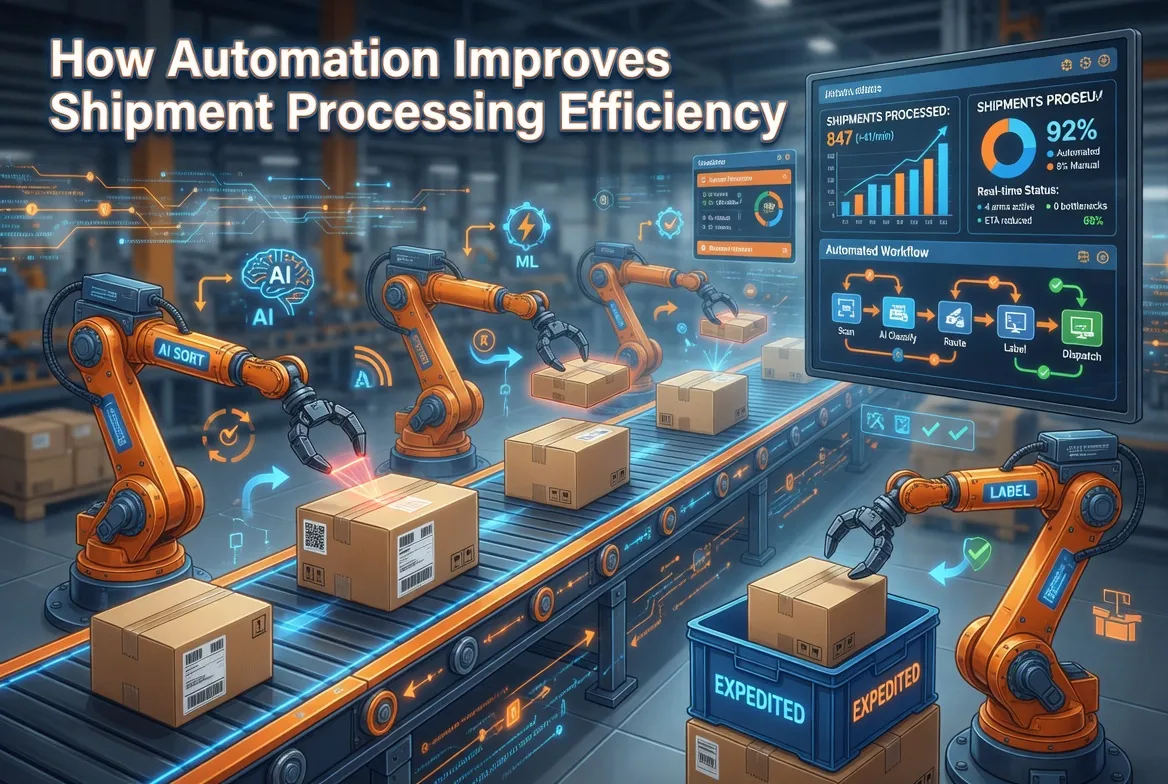
2. Automated Data Collection
Transport event data is captured automatically from:
Carrier tracking systems
Scanning devices in warehouses and terminals
IoT devices and GPS trackers (for certain shipments)
Electronic documents and status updates
This reduces manual input and improves data accuracy.
3. AI-Driven Data Recognition
Different data sources often provide unstructured or semi-structured information. Logistics systems use AI technologies to:
Extract relevant event data from documents and messages
Identify key event types and timestamps
Match data to the correct shipment records
This ensures consistent and reliable event capture.
4. Data Standardization and Mapping
To unify data from various sources, systems apply:
Data normalization rules
Event mapping to predefined milestones
Validation checks to ensure accuracy
This transforms raw data into structured, usable information.
5. Event Timeline Construction
Captured events are organized into a unified timeline that shows:
Completed events
Current shipment status
Upcoming expected milestones
This timeline provides a clear and actionable view of shipment progress.
6. Real-Time Updates and Synchronization
Logistics systems continuously update event data as new information becomes available, ensuring that all stakeholders have access to the latest shipment status.
Key Features of Transport Event Data Systems
Modern logistics systems include several capabilities to effectively capture and utilize transport event data:
Real-time event capture: Continuous data collection from multiple sources
Event standardization: Unified format for different types of data
Milestone mapping: Linking events to predefined shipment stages
Unified timeline view: Consolidated display of all events
Multi-role collaboration: Shared access for internal teams and partners
Automation triggers: Workflow actions based on event completion
Exception detection: Alerts for missing or delayed events
Integration capabilities: Seamless connectivity with external systems
These features ensure that transport event data is not only captured but also transformed into actionable insights.
Benefits for Logistics Companies
Capturing transport event data provides significant operational and strategic advantages.
Improved Visibility
Gain real-time insights into shipment progress
Monitor each stage of the logistics process
Improve transparency across the supply chain
Enhanced Operational Efficiency
Reduce manual data entry and tracking efforts
Automate routine processes and updates
Improve process consistency
Better Exception Management
Detect delays or disruptions early
Trigger alerts and workflows automatically
Minimize operational risks
Stronger Collaboration
Enable coordination across multiple stakeholders
Connect upstream suppliers and downstream partners
Ensure consistent information sharing
Best Practices / Use Cases
To effectively capture and utilize transport event data, logistics companies should adopt the following practices:
1. Integrate All Relevant Data Sources
Ensure connectivity with carriers, warehouses, customs systems, and other partners to capture comprehensive event data.
2. Standardize Event Definitions
Define consistent event types and formats across all shipments to improve clarity and usability.
3. Automate Data Capture and Processing
Leverage AI and automation to reduce manual input and improve data accuracy.
4. Enable Real-Time Visibility
Provide stakeholders with access to up-to-date event data through centralized dashboards.
5. Link Events to Business Processes
Connect event data with:
Workflow automation
Customer notifications
Financial processes such as billing and reconciliation
Example Use Case
A cross-border logistics provider handling eCommerce shipments can use transport event data to:
Capture scanning events at each logistics node
Track shipment progress across first-mile, line-haul, and last-mile stages
Automatically notify customers of status updates
Trigger billing processes upon delivery completion
Conclusion
Transport event data is a critical component of modern logistics systems. By capturing and structuring real-time events from across the supply chain, companies can achieve accurate tracking, improved efficiency, and better operational control.
As logistics networks become more complex, the ability to effectively capture and utilize transport event data will be essential for maintaining competitiveness and delivering high-quality service.
Frequently Asked Questions
What is transport event data in logistics?
Transport event data refers to time-stamped updates that describe specific actions or status changes in the movement of goods throughout the logistics process.
How do logistics systems capture transport event data?
They integrate with external systems, collect data automatically, use AI to process information, and map events into structured formats within a centralized platform.
Why is transport event data important?
It enables real-time visibility, supports automation, improves decision-making, and enhances operational efficiency.
What are the benefits of capturing transport event data?
Benefits include improved tracking accuracy, reduced manual work, better collaboration, and proactive issue management.
About WallTech
WallTech provides digital logistics solutions that enable efficient capture and utilization of transport event data across global supply chains. Its platforms support real-time shipment visibility through structured event tracking and milestone-based monitoring, while connecting multiple stakeholders in a collaborative environment. By leveraging AI-driven data recognition, workflow automation, and integrated financial processes such as automated billing and reconciliation, WallTech helps logistics companies streamline operations, reduce complexity, and scale their business with greater efficiency.
If you're exploring ways to improve your logistics operations, feel free to connect with us to learn more about our solutions and system capabilities.
.webp "Key Capabilities of Cross-Company Coordination Solutions")