

May 08,2026
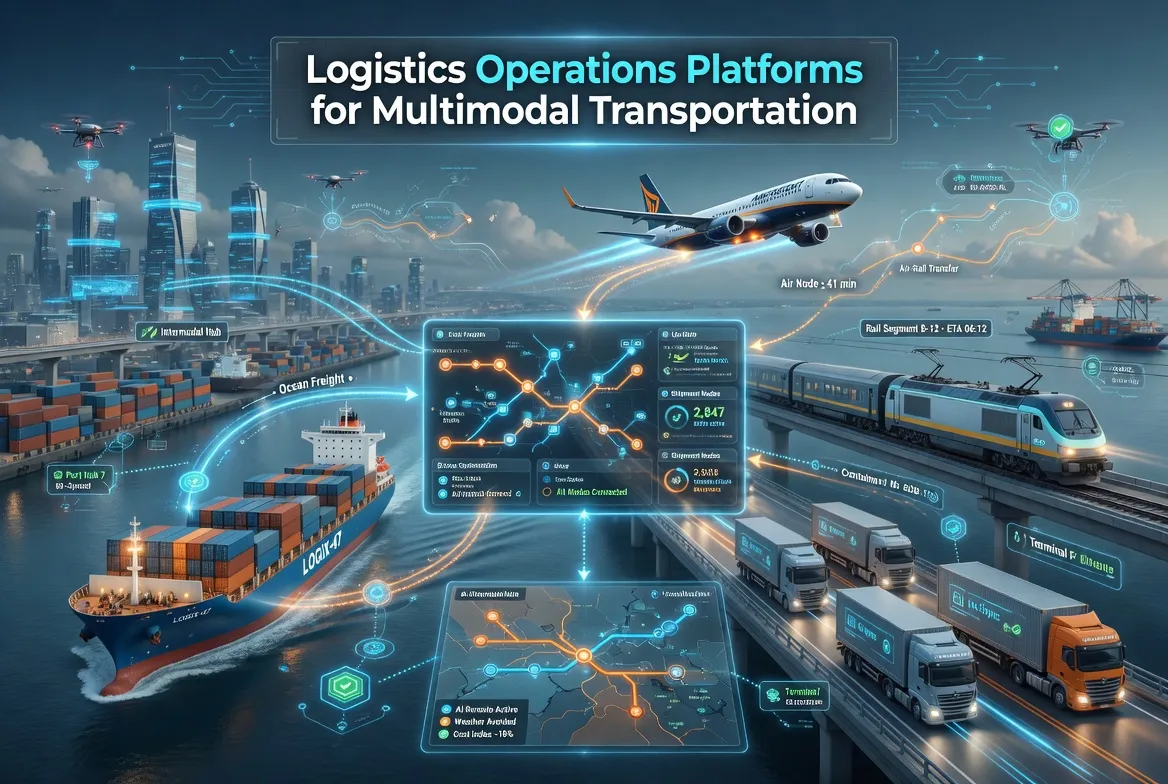
Logistics Operations Platforms for Multimodal Transportation
Introduction
Cross-border logistics compliance management refers to the processes and systems used to ensure that international shipments adhere to all applicable regulations, customs requirements, trade laws, and documentation standards across different countries. It involves managing regulatory data, validating shipment information, and ensuring proper documentation throughout the logistics lifecycle. In global logistics operations, effective compliance management is essential to avoid delays, penalties, and disruptions in cross-border trade.
What is Cross-Border Logistics Compliance Management
Cross-border logistics compliance management is the structured approach to ensuring that goods moving across international borders meet all legal, regulatory, and procedural requirements.
This includes:
Customs declaration compliance
Import/export regulations
Tariff and duty calculations
Documentation accuracy
Trade restrictions and sanctions checks
Data reporting requirements
Compliance management ensures that shipments can move smoothly through customs and regulatory checkpoints without issues.
Why Cross-Border Compliance Matters
1. Prevents Shipment Delays
Non-compliant shipments may:
Be held at customs
Require additional inspections
Experience extended clearance times
Proper compliance ensures faster and smoother clearance.
2. Avoids Financial Penalties
Regulatory violations can result in:
Fines and penalties
Additional duties or taxes
Increased operational costs
Compliance management reduces financial risks.
3. Ensures Legal and Regulatory Adherence
Each country has unique requirements for:
Documentation
Product classification
Reporting standards
Compliance ensures adherence to these varying regulations.
4. Improves Operational Efficiency
Without structured compliance processes:
Teams must manually verify requirements
Errors are more likely
Workflows become inconsistent
A systematic approach streamlines operations.
5. Enhances Customer Trust
Reliable compliance:
Reduces shipment disruptions
Improves delivery predictability
Builds confidence with customers and partners
How Cross-Border Compliance Management Works
1. Regulatory Data Management
The system maintains updated regulatory information, including:
Country-specific requirements
Tariff codes and classifications
Duty and tax rules
This ensures accurate compliance checks.
2. Shipment Data Validation
Before execution, the system:
Validates shipment details
Ensures required fields are complete
Checks consistency across documents
3. Documentation Management
Compliance systems support:
Automated document generation
Centralized storage of shipment documents
Standardized formats for customs submissions
4. Customs Declaration Processing
The system prepares and manages:
Import/export declarations
Electronic submissions to customs authorities
Status tracking of clearance processes
5. Risk Screening and Control
Compliance management includes:
Screening against restricted or sanctioned parties
Identifying high-risk shipments
Flagging potential compliance issues
6. Workflow Integration
Compliance processes are integrated into operational workflows:
Automated approval processes
Exception handling procedures
Task assignment across teams
7. Real-Time Monitoring and Updates
The system provides:
Status updates on customs clearance
Alerts for compliance issues
Visibility into regulatory processes
Key Features of Cross-Border Compliance Systems
1. Regulatory Rule Engine
Configurable compliance rules
Country-specific requirements
Automated validation logic
2. Automated Documentation
Generation of customs documents
Standardized templates
Integration with shipment data
3. Customs Integration
Electronic data exchange with customs systems
Real-time status updates
Automated submission processes
4. Data Accuracy and Validation
Field validation and consistency checks
Error detection before submission
5. End-to-End Visibility
Tracking of compliance status
Milestone-based updates
Unified shipment timeline
6. Collaboration Across Stakeholders
Coordination between operations, documentation, and compliance teams
Integration with external agents and customs brokers
7. Financial Integration
Duty and tax calculation
Billing and invoicing alignment
Reconciliation of compliance-related costs
8. Audit and Reporting
Compliance audit trails
Regulatory reporting capabilities
Historical data tracking
Benefits for Logistics Companies
Reduced Risk
Minimizes compliance violations
Prevents shipment delays and penalties
Improved Efficiency
Automates compliance processes
Reduces manual verification efforts
Better Accuracy
Ensures consistent and validated data
Reduces documentation errors
Enhanced Visibility
Provides real-time insight into compliance status
Enables proactive issue management
Scalability
Supports expansion into new markets
Handles increasing shipment volumes
Best Practices / Use Cases
1. Cross-Border eCommerce Logistics
Manage high-volume international shipments with automated compliance checks and documentation.
2. Freight Forwarders Handling Global Trade
Ensure compliance across multiple countries with varying regulations.
3. 3PL Providers Managing Diverse Cargo Types
Handle different product categories with specific compliance requirements.
4. Companies Expanding into New Markets
Adapt quickly to new regulatory environments with configurable compliance systems.
5. High-Risk or Regulated Shipments
Ensure strict compliance for sensitive goods or restricted items.
Conclusion
Cross-border logistics compliance management is a critical component of global supply chain operations. By ensuring that shipments meet all regulatory requirements, logistics companies can avoid delays, reduce risks, and maintain efficient operations.
As international trade becomes more complex, adopting digital compliance management systems is essential for maintaining accuracy, scalability, and competitiveness in the global logistics industry.
Frequently Asked Questions
What is cross-border logistics compliance management?
It is the process of ensuring that international shipments comply with all customs regulations, documentation requirements, and trade laws.
How does compliance management work in logistics?
It involves validating shipment data, managing documentation, handling customs declarations, and monitoring compliance throughout the shipment lifecycle.
Why is compliance important in cross-border logistics?
It prevents delays, avoids penalties, ensures legal adherence, and improves operational efficiency.
What are the benefits of compliance management systems?
Benefits include reduced risk, improved accuracy, automation of processes, and better visibility into operations.
What features should a compliance system include?
Key features include regulatory rule engines, automated documentation, customs integration, data validation, and real-time tracking.
About WallTech
WallTech provides digital logistics solutions that support cross-border compliance management across global operations. Its platforms enable logistics companies to manage regulatory requirements, automate documentation processes, and integrate compliance checks into operational workflows. With end-to-end visibility and milestone-based tracking, teams can monitor compliance status alongside shipment execution. WallTech also supports multi-role collaboration and financial automation, including billing and reconciliation, helping logistics providers reduce risk, improve efficiency, and scale their international operations effectively.
If you're exploring ways to improve your logistics operations, feel free to connect with us to learn more about our solutions and system capabilities.
.webp "How Logistics Platforms Centralize Shipment Data Across Multiple Systems")
.webp "What is a Freight Order Processing System?")
.webp "How Logistics Exception Management Improves Supply Chain Reliability")