May 21,2026
How Do Logistics Platforms Provide Shipment Visibility?
Introduction
Shipment visibility is important for supply chains because it allows companies to track, monitor, and manage goods throughout the entire logistics journey in real time. Without shipment visibility, businesses often face delayed responses, operational blind spots, customer complaints, inventory uncertainty, and inefficient coordination between supply chain partners.
Modern supply chains involve multiple transportation providers, warehouses, customs checkpoints, and international partners. Real-time shipment visibility helps logistics companies, freight forwarders, 3PL providers, and cross-border eCommerce businesses improve operational control, reduce disruptions, and deliver better customer experiences.
As global logistics operations become increasingly complex, shipment visibility has become a critical capability for supply chain efficiency and resilience.
What Is Shipment Visibility?
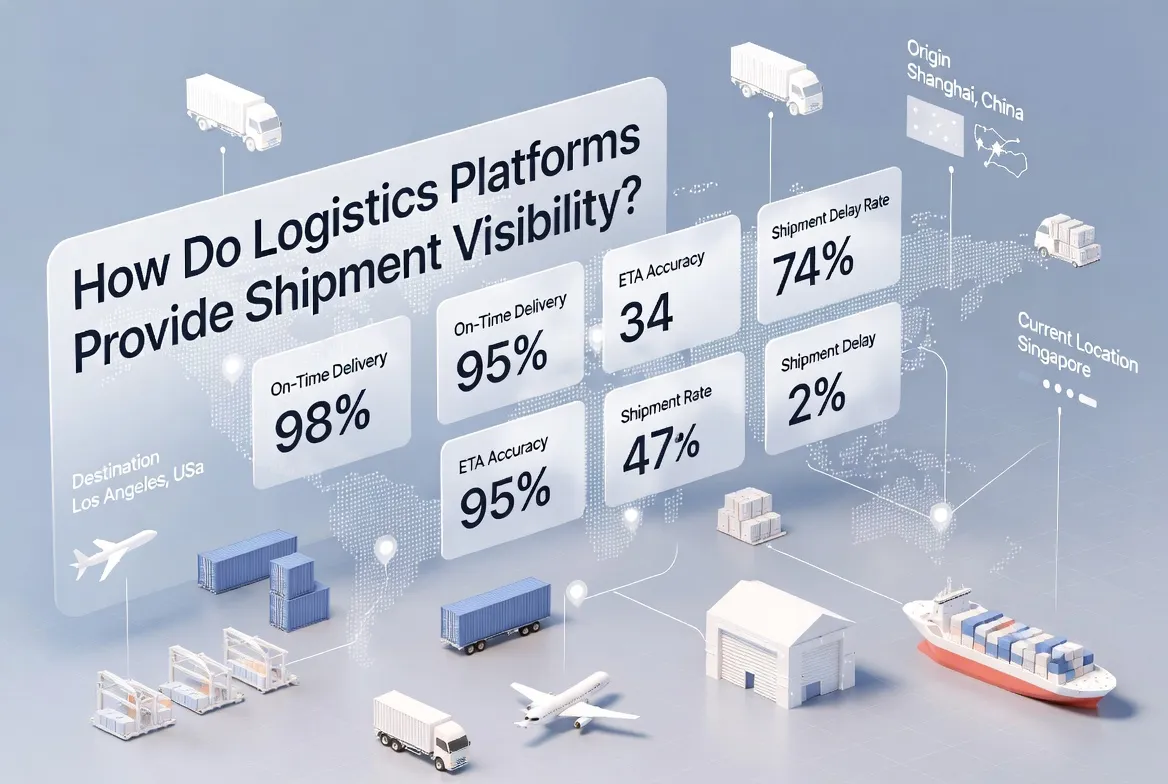
Shipment visibility refers to the ability to monitor the status, location, movement, and operational milestones of shipments across the entire transportation process.
A shipment visibility system typically provides:
Real-time shipment tracking
Milestone updates
Transportation status monitoring
Exception alerts
ETA updates
Unified shipment timelines
Multi-segment tracking
Visibility platforms collect logistics data from various sources, including:
Carriers
Warehouses
Customs systems
GPS devices
IoT sensors
Port systems
Transportation management systems
The goal is to create a centralized and transparent view of logistics operations.
Why Shipment Visibility Matters
Supply Chains Are Increasingly Complex
Global supply chains involve:
Multiple countries
Various transportation modes
Different logistics partners
Long transportation cycles
Numerous operational handoffs
Without visibility, companies struggle to understand where shipments are, what delays exist, and which operational risks require attention.
Shipment visibility reduces uncertainty and improves operational coordination.
Customers Expect Real-Time Updates
Modern customers expect transparency throughout the shipment journey.
They want to know:
Shipment status
Estimated arrival times
Delay notifications
Customs clearance progress
Delivery milestones
Companies that cannot provide real-time updates often face reduced customer satisfaction and weaker service competitiveness.
Delays and Exceptions Need Faster Response
Supply chain disruptions are increasingly common due to:
Port congestion
Customs delays
Weather disruptions
Capacity shortages
Transportation interruptions
Shipment visibility allows logistics teams to identify problems early and respond faster before disruptions escalate.
Inventory Planning Depends on Visibility
Shipment visibility directly affects inventory management.
Without accurate shipment tracking, businesses may experience:
Stock shortages
Excess inventory
Delayed replenishment
Inefficient warehouse planning
Real-time logistics visibility improves inventory forecasting and operational planning.
How Shipment Visibility Works
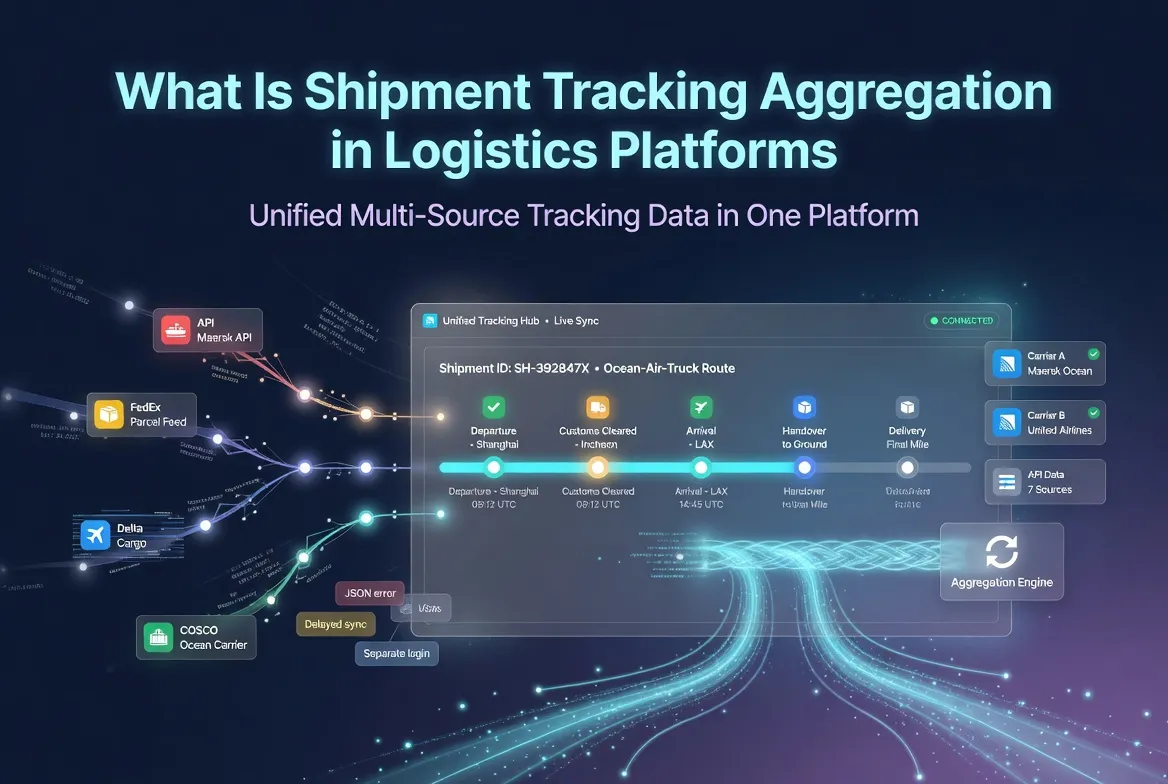
Shipment visibility systems aggregate logistics data from multiple operational sources into one centralized platform.
1. Data Collection
Visibility platforms collect shipment data from:
Ocean carriers
Airlines
Trucking providers
Warehouses
Last-mile delivery providers
Customs systems
GPS tracking devices
Data may be collected through:
API integration
EDI connections
IoT devices
Manual updates
Carrier tracking systems
2. Milestone Tracking
Modern visibility systems track key operational milestones such as:
Booking confirmed
Cargo picked up
Warehouse inbound
Customs clearance completed
Vessel departure
Flight arrival
Last-mile delivery completed
Milestone-based tracking creates a unified timeline across multiple transportation stages.
3. Real-Time Updates
Shipment data is continuously synchronized into the platform.
This allows users to monitor:
Shipment location
Estimated arrival times
Transportation progress
Delay risks
Operational exceptions
4. Exception Management
Visibility platforms can automatically identify abnormal situations, including:
Delayed departures
Missed milestones
Customs holds
Delivery failures
Automated alerts help logistics teams respond more efficiently.
5. Multi-Role Collaboration
Shipment visibility platforms often support collaboration between:
Customers
Freight forwarders
Carriers
Warehouses
Overseas agents
Customer service teams
All stakeholders can access synchronized logistics information through a shared platform environment.
Key Features of Shipment Visibility Platforms
End-to-End Tracking
Modern systems provide complete visibility from origin to final delivery.
This includes:
Ocean freight
Air freight
Trucking
Warehouse operations
Last-mile delivery
Unified Shipment Timeline
A centralized timeline allows users to view all shipment events in one interface.
This simplifies tracking across multiple transportation segments.
Automated Alerts and Notifications
Visibility platforms can automatically send notifications for:
Delays
Arrival updates
Customs clearance
Exception events
Delivery completion
Alerts may be delivered through:
Email
SMS
Enterprise messaging systems
Customer portals
Multi-Carrier Integration
Modern logistics operations involve multiple transportation providers.
Visibility platforms integrate with different carrier systems to centralize tracking data.
Analytics and Reporting
Shipment visibility systems often include analytics tools for:
Transit time analysis
Carrier performance evaluation
Delay analysis
Operational KPI monitoring
Benefits for Logistics Companies
Better Operational Control
Visibility systems provide logistics teams with centralized operational oversight.
This helps companies identify issues earlier and manage shipments more proactively.
Faster Exception Response
Real-time alerts allow teams to respond quickly to disruptions and minimize operational impact.
Improved Customer Service
Customers gain better transparency through self-service tracking and proactive shipment updates.
This reduces customer inquiries and improves customer satisfaction.
Enhanced Collaboration
Visibility platforms improve communication between upstream and downstream supply chain partners.
All stakeholders can work with synchronized shipment information.
Reduced Manual Tracking Work
Without centralized visibility systems, operations teams often spend significant time manually checking shipment statuses across different carrier platforms.
Visibility automation reduces this workload.
Improved Decision-Making
Accurate logistics data supports better planning for:
Inventory allocation
Transportation management
Warehouse scheduling
Customer commitments
Best Practices and Use Cases
Centralize Tracking Data
Companies should consolidate tracking information into one visibility platform rather than relying on multiple disconnected carrier systems.
Focus on Critical Milestones
Not all shipment events are equally important.
Businesses should prioritize milestones that directly affect operational performance and customer expectations.
Integrate Visibility Across Departments
Shipment visibility should support:
Operations
Customer service
Finance
Management teams
Shared visibility improves organizational coordination.
Use Automated Alerts Strategically
Automated notifications should focus on operational exceptions and critical shipment updates to reduce unnecessary manual monitoring.
Support Global Collaboration
For international logistics operations, visibility systems should support collaboration across different countries, time zones, and logistics partners.
Conclusion
Shipment visibility is important for supply chains because it improves operational transparency, enables faster decision-making, enhances customer service, and reduces the risks associated with complex logistics operations.
As global logistics networks become more interconnected and customer expectations continue to rise, companies can no longer rely on fragmented manual tracking processes.
Modern shipment visibility platforms provide end-to-end tracking, milestone-based monitoring, automated alerts, and multi-role collaboration capabilities that help logistics companies operate more efficiently and respond more effectively to supply chain disruptions.
For freight forwarders, 3PL providers, and cross-border logistics companies, shipment visibility has become a foundational component of digital supply chain management.
Frequently Asked Questions
What is shipment visibility in logistics?
Shipment visibility refers to the ability to track and monitor shipments in real time throughout the entire transportation and delivery process.
Why is shipment visibility important?
Shipment visibility improves operational control, customer communication, inventory planning, and disruption management across supply chains.
How does shipment visibility work?
Visibility systems collect logistics data from carriers, warehouses, customs systems, and transportation providers to create centralized real-time tracking information.
What are the benefits of shipment visibility platforms?
Benefits include faster exception response, improved customer satisfaction, reduced manual tracking work, better collaboration, and enhanced operational efficiency.
Can shipment visibility support international logistics?
Yes. Modern visibility platforms support multi-country, multi-carrier, and multi-transportation tracking across global supply chains.
About WallTech
WallTech provides digital logistics solutions for freight forwarders, 3PL providers, and cross-border logistics companies. Its platforms support end-to-end shipment visibility, milestone-based tracking, upstream and downstream collaboration, and workflow automation across global logistics operations. Through capabilities such as unified shipment timelines, automated alerts, AI-assisted data processing, and integrated financial workflows, logistics companies can improve operational transparency, coordination efficiency, and scalable supply chain management while reducing manual tracking and communication challenges.
If you're exploring ways to improve your logistics operations, feel free to connect with us to learn more about our solutions and system capabilities.
Scan the QR code or contact our team directly for further discussion.