Dec 27,2022
Cross-Border Delivery Issue: Document Management
In modern supply chains, shipment visibility has become one of the most critical capabilities for logistics providers and their customers. Businesses expect to know where their cargo is, what stage it is in, and whether any delays may affect delivery schedules.
However, shipments often move through multiple transportation segments, warehouses, and service providers. Without a centralized logistics platform, tracking this information across different systems and communication channels becomes extremely difficult.
Logistics platforms solve this challenge by connecting operational data from multiple sources and presenting it through a unified visibility framework.
Consolidating Data Across the Shipment Lifecycle
A shipment rarely involves only one transportation stage. Ocean freight, air transport, trucking, warehouse handling, and customs clearance may all be part of the same logistics process.
A modern logistics platform consolidates information from these different stages into a single system. Operational milestones—such as booking confirmation, container loading, departure, arrival, warehouse processing, and final delivery—are recorded within one unified shipment timeline.
By centralizing these data points, logistics teams gain a comprehensive view of each shipment’s status throughout the entire transportation lifecycle.
Integrating Multiple Data Sources
End-to-end visibility depends on the ability to gather tracking information from multiple partners and external systems.
Logistics platforms typically integrate with carriers, shipping lines, port systems, warehouse platforms, and third-party tracking services. Through API or EDI connections, shipment events can be captured automatically and synchronized with the internal logistics system.
This multi-source integration allows logistics providers to track cargo movements even when different segments of the journey are handled by different partners.
Providing Real-Time Tracking for Stakeholders
Shipment visibility is valuable not only for logistics operators but also for customers, partners, and internal management teams.
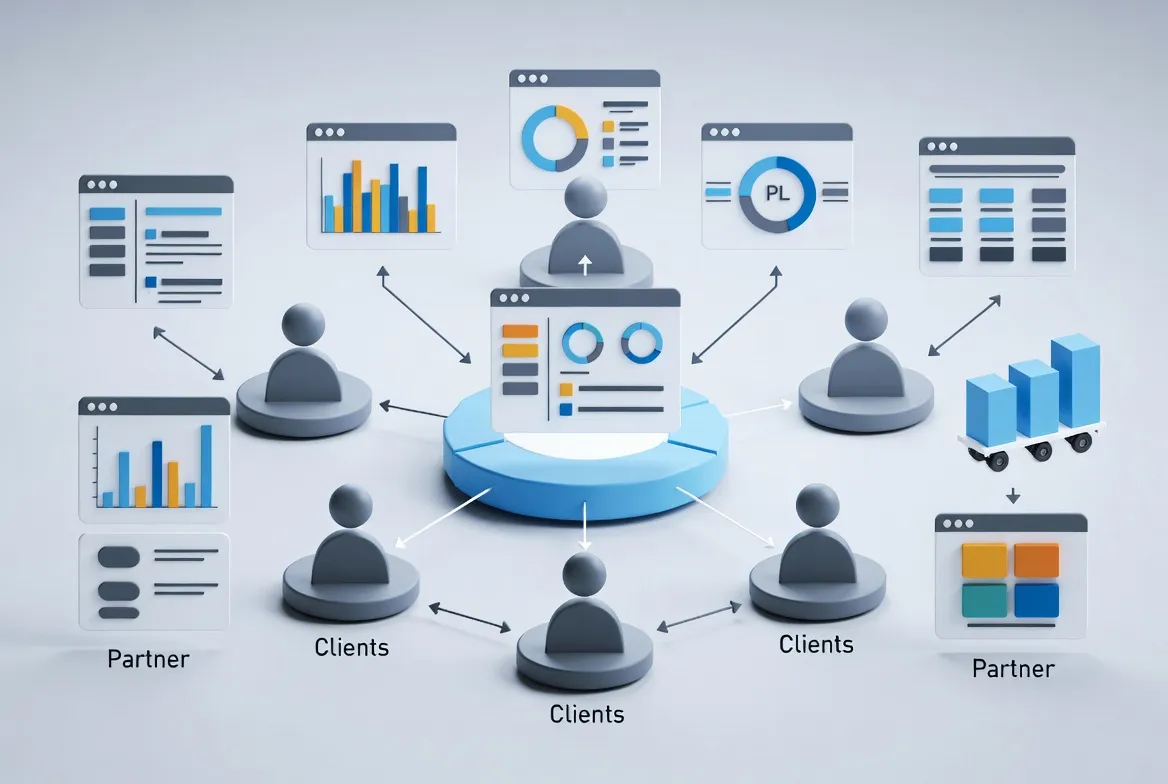
Modern logistics platforms allow different stakeholders to access shipment information through dashboards, reporting tools, or customer portals. Customers can check shipment status independently, while operations teams can monitor progress across multiple shipments simultaneously.
Providing real-time tracking reduces the need for manual status updates and improves transparency across the logistics process.
Detecting Exceptions and Delays
One of the most important benefits of shipment visibility is the ability to identify disruptions early.
Logistics platforms can monitor operational milestones and compare actual shipment progress with expected schedules. If a shipment misses a key milestone—such as a delayed departure or an unexpected transit delay—the system can trigger alerts or notifications.
Early detection allows logistics teams to respond quickly, communicate with customers, and adjust operational plans when necessary.
Supporting Cross-Team Collaboration
Shipment visibility also improves collaboration between departments and partners. Sales teams, operations staff, overseas agents, and customer service teams often need access to the same shipment information.
A centralized logistics platform ensures that all parties are working with consistent data. Instead of relying on fragmented communication across emails or messaging tools, teams can coordinate actions directly based on real-time system updates.
This shared information environment helps reduce misunderstandings and operational delays.
Enhancing Customer Experience
Customers increasingly expect transparency in logistics operations. Being able to track shipments, view milestone updates, and access relevant documents enhances their confidence in the logistics provider.
A logistics platform that provides end-to-end visibility allows companies to deliver a more reliable and responsive service experience. Customers spend less time requesting status updates and more time focusing on their own business operations.
Visibility as a Foundation for Modern Logistics
As global logistics networks become more complex, visibility has become a fundamental requirement for efficient operations. Companies need accurate information to coordinate shipments, respond to disruptions, and maintain customer trust.
Logistics platforms enable this visibility by consolidating operational data, integrating external tracking sources, and presenting shipment progress through a unified system.
By transforming fragmented shipment information into a clear and structured view of the entire logistics process, these platforms play a crucial role in modern supply chain management.