May 14,2026
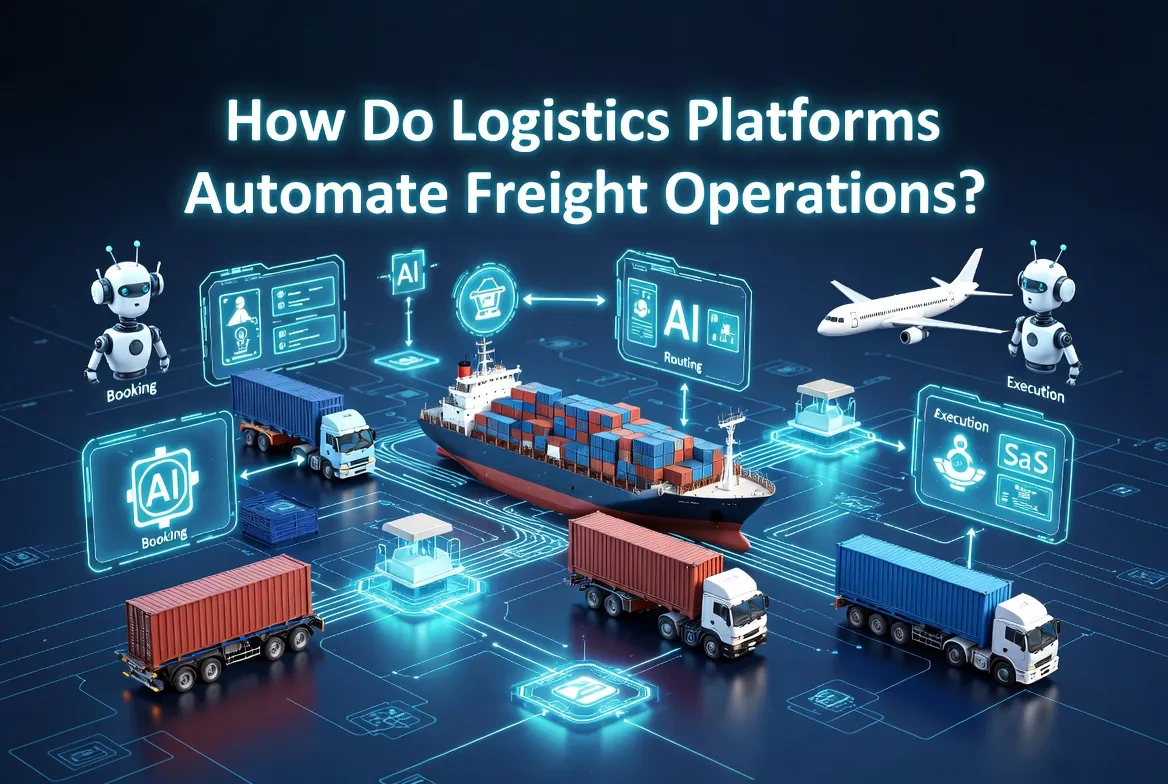
How Do Logistics Platforms Automate Freight Operations?
Introduction
Predictive analytics is used in logistics risk control to anticipate potential disruptions—such as shipment delays, port congestion, or customs issues—before they occur. It works by analyzing historical data, real-time inputs, and patterns to forecast risks and enable proactive decision-making.
In global logistics, where uncertainty is driven by multiple variables across regions and partners, predictive analytics helps companies move from reactive problem-solving to proactive risk management.
What Is Predictive Analytics in Logistics
Predictive analytics in logistics refers to the use of data analysis, statistical models, and machine learning techniques to forecast future events and outcomes.
It typically involves analyzing:
Historical shipment data
Transit times and route performance
Carrier reliability
Seasonal demand patterns
External factors such as weather or port congestion
The goal is to identify patterns and predict risks before they impact operations.
Why Predictive Analytics Matters
1. Enables Proactive Risk Management
Instead of reacting to disruptions, companies can anticipate and prevent them.
2. Improves Decision-Making
Data-driven insights support better planning and operational strategies.
3. Reduces Operational Disruptions
Early warnings allow teams to adjust routes, carriers, or schedules.
4. Enhances Customer Experience
Predictive insights enable accurate delivery estimates and proactive communication.
5. Optimizes Resource Allocation
Companies can allocate resources more effectively based on predicted demand and risks.
How Predictive Analytics Works in Logistics Risk Control
1. Data Collection and Integration
Predictive systems collect data from multiple sources, including:
Carrier and tracking systems
Internal operational systems
External data such as weather or port conditions
This creates a comprehensive dataset for analysis.
2. Data Processing and Pattern Analysis
The system analyzes data to identify patterns, such as:
Frequent delays on specific routes
Seasonal fluctuations in transit times
Performance differences between carriers
3. Risk Prediction Models
Predictive models estimate the likelihood of risks, such as:
Probability of shipment delays
Risk of customs clearance issues
Potential congestion at ports or hubs
4. Real-Time Risk Monitoring
Predictions are continuously updated based on real-time data, ensuring accuracy and relevance.
5. Actionable Insights and Alerts
The system provides insights and alerts, enabling teams to:
Adjust shipment routes
Select alternative carriers
Update delivery schedules
Inform customers proactively
6. Integration with Automation
Predictive analytics is often combined with automation to:
Trigger workflows based on predicted risks
Assign tasks to relevant teams
Update shipment timelines automatically
Key Features of Predictive Analytics Systems
Advanced data analytics
Processing large volumes of historical and real-time dataMachine learning models
Continuous improvement of prediction accuracyReal-time data integration
Up-to-date inputs for accurate forecastingRisk scoring and forecasting
Quantifying the likelihood and impact of risksAutomated alerts
Notifications based on predicted risksUnified dashboard
Centralized view of predictions and operational dataIntegration with logistics workflows
Seamless connection with operational systems
Benefits for Logistics Companies
1. Reduced Risk Exposure
Early identification of risks allows proactive mitigation.
2. Improved Operational Efficiency
Better planning reduces disruptions and inefficiencies.
3. Enhanced Visibility
Companies gain insights into potential future issues.
4. Better Customer Service
Accurate predictions enable proactive communication and improved reliability.
5. Competitive Advantage
Data-driven operations improve performance and differentiation.
Best Practices / Use Cases
1. Analyze Historical Data
Use past shipment data to identify patterns and trends.
2. Integrate Multiple Data Sources
Combine internal and external data for comprehensive analysis.
3. Use Predictive Insights for Planning
Adjust routes, carriers, and schedules based on predictions.
4. Combine Predictive Analytics with Automation
Ensure predictions lead to actionable workflows.
5. Continuously Improve Models
Update models with new data to enhance accuracy.
Conclusion
Predictive analytics is transforming logistics risk control by enabling companies to anticipate and manage disruptions before they occur. By leveraging data and advanced analytics, logistics companies can improve efficiency, reduce risks, and enhance service reliability.
As supply chains become more complex and data-driven, predictive analytics will play an increasingly important role in helping logistics companies stay competitive and resilient.
Frequently Asked Questions
What is predictive analytics in logistics?
It is the use of data analysis and machine learning to forecast future events and risks in logistics operations.
How does predictive analytics help in risk control?
It identifies potential disruptions in advance, enabling proactive decision-making.
What data is used in predictive analytics?
Historical shipment data, real-time tracking data, and external factors such as weather or congestion.
What are the benefits of predictive analytics in logistics?
Improved efficiency, reduced risks, better planning, and enhanced customer service.
How is predictive analytics implemented in logistics systems?
Through data integration, machine learning models, and real-time monitoring combined with operational workflows.
About WallTech
WallTech provides digital logistics solutions that incorporate advanced data analytics and intelligent automation to support predictive risk control. Its platforms enable end-to-end collaboration by connecting internal teams and external partners within a unified system, ensuring that predictive insights can be shared and acted upon efficiently. With real-time shipment visibility based on milestone tracking and unified timelines, logistics companies can monitor operations while anticipating potential risks. The system also includes automation capabilities such as AI-driven data recognition, workflow automation, and automated billing and reconciliation, helping businesses improve decision-making, reduce disruptions, and scale their operations effectively.
If you're exploring ways to improve your logistics operations, feel free to connect with us to learn more about our solutions and system capabilities.