
Mar 26,2026
Logistics Software for API-Based Operations
Container transportation plays a central role in international freight forwarding. Whether shipments move through full container loads (FCL) or consolidated cargo (LCL), containers serve as the primary unit for moving goods across global shipping networks.
For freight forwarders, managing container operations efficiently requires coordination across multiple operational stages, including cargo consolidation, container allocation, documentation preparation, shipment tracking, and financial settlement. Without structured systems, managing container-related activities can quickly become complex.
Modern logistics platforms help freight forwarders manage container operations more effectively by centralizing container data, connecting shipment orders, and improving visibility throughout the transportation process.
Linking Shipments to Container Information
In many freight forwarding operations, multiple shipments may be associated with the same container. For example, in consolidated cargo scenarios, goods from different customers may share a single container.
A logistics management system allows operators to link shipment orders directly to container records. This connection helps teams understand which shipments belong to a specific container and track the operational status of all related cargo.
By maintaining this structured relationship between shipments and containers, logistics teams can manage consolidation activities more efficiently.
Supporting Container Consolidation Management
Container consolidation is a common practice used to optimize transportation capacity and reduce shipping costs. Freight forwarders often combine multiple shipments into a single container before international transport.
Logistics systems help manage consolidation processes by recording cargo details, container loading plans, and associated shipment orders. Operators can review container contents and verify that all cargo has been correctly allocated before departure.
This structured approach helps reduce errors during container loading and improves overall operational efficiency.
Monitoring Container Movement and Tracking
Once containers are loaded and dispatched, monitoring their movement becomes essential for maintaining operational visibility.
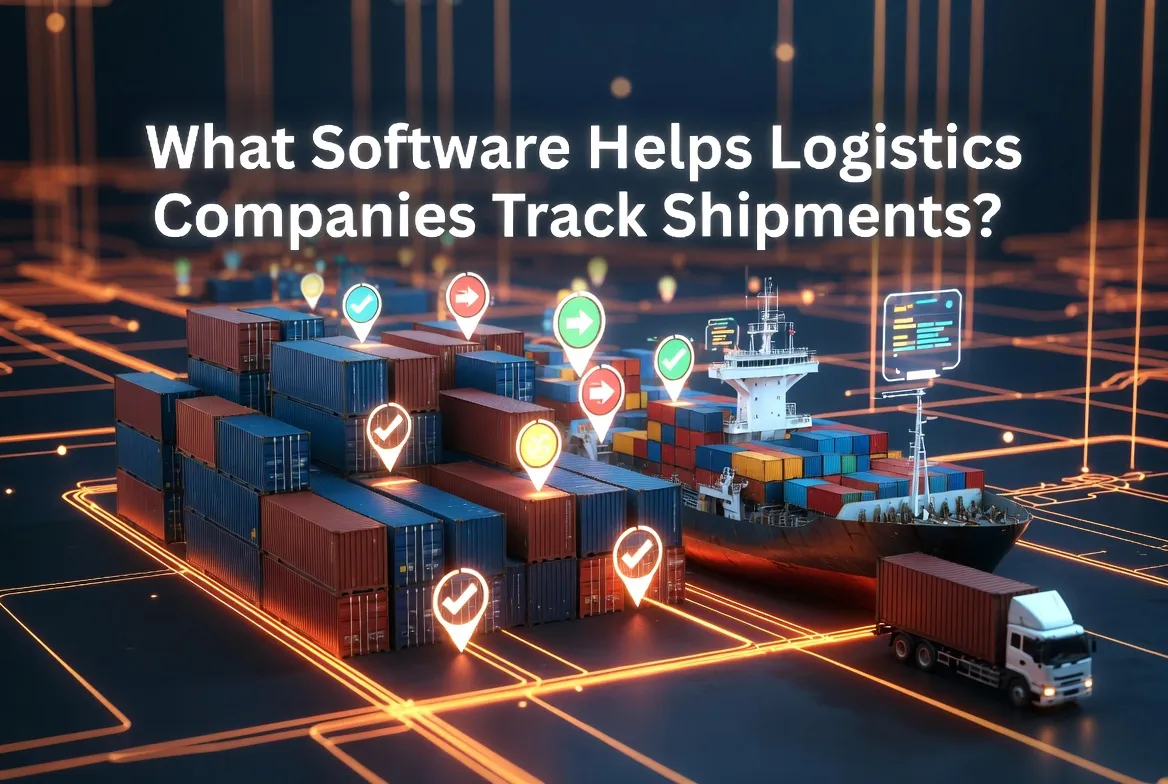
Container management systems integrate tracking data from shipping lines, ports, and logistics partners. This information allows freight forwarders to monitor container movements throughout the transportation process.
Tracking milestones—such as vessel departure, port arrival, and container release—can be recorded within the system, giving logistics teams a clear overview of container progress.
Managing Documentation for Container Shipments
Container shipments require various operational documents, including bills of lading, shipping instructions, packing lists, and customs-related paperwork.
By linking documents to container records within the logistics platform, freight forwarders can organize shipment documentation more effectively. Operators can easily access the required documents for each container and ensure that all necessary paperwork is prepared before cargo movement.
Digital document management also helps maintain accurate records for compliance and auditing purposes.
Coordinating Multi-Segment Transportation
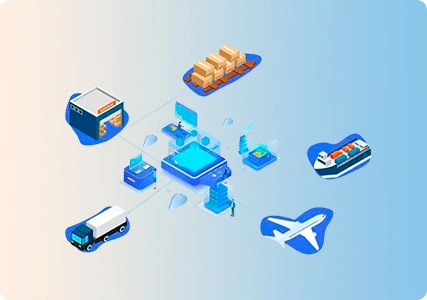
Container shipments often involve multiple transportation segments, including inland trucking, port operations, ocean freight, and destination handling.
Logistics platforms help coordinate these segments by recording operational events and linking them to the corresponding container. This allows logistics teams to track container movements across different transportation stages.
With a unified operational view, teams can better manage transitions between transportation segments and respond quickly to potential delays.
Improving Financial Visibility
Container operations also generate financial transactions such as freight charges, port handling fees, and service costs.
By linking financial data to container records, logistics systems allow freight forwarders to track costs and revenue associated with container shipments. This integration helps companies analyze profitability and maintain accurate financial records.
Financial visibility at the container level supports more informed pricing and operational decisions.
Building Efficient Container Management Processes
Efficient container management is essential for freight forwarders operating in global shipping networks. With multiple shipments, service providers, and transportation stages involved, structured coordination becomes critical.
Logistics platforms provide the tools needed to organize container data, track container movements, manage documentation, and coordinate shipment operations.
By integrating container management into a unified logistics system, freight forwarders can improve operational efficiency, maintain better visibility across shipments, and support more reliable international logistics services.