
.webp "How Freight Forwarders Manage Container Operations Efficiently")
Mar 06,2026
How Freight Forwarders Manage Container Operations Efficiently
Freight forwarding operations involve numerous sequential steps that must occur in a coordinated timeline. From booking confirmation and cargo pickup to departure, customs clearance, and final delivery, each shipment follows a series of operational events. These events are commonly referred to as shipment milestones.
Managing shipment milestones accurately is essential for maintaining operational control and ensuring reliable logistics services. However, when logistics companies rely on manual tracking methods such as spreadsheets or email updates, monitoring shipment timelines can become difficult and error-prone.
Digital logistics platforms address this challenge by structuring shipment operations around defined milestones and automated timelines. These systems allow freight forwarders to monitor shipment progress, coordinate operational tasks, and respond quickly to potential disruptions within global supply chains.
Understanding Shipment Milestones in Freight Operations
Shipment milestones represent key operational events that occur throughout the logistics lifecycle. These milestones help define the progress of a shipment and provide visibility into its current status.
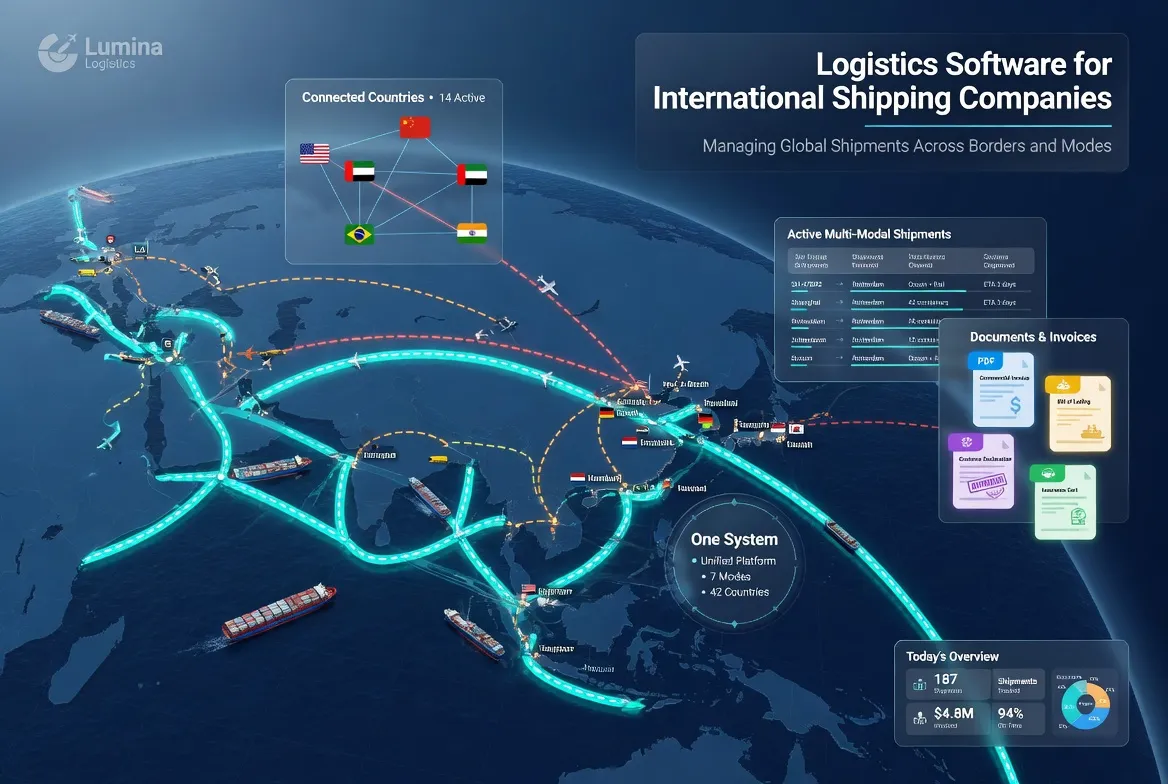
Typical milestones in international freight forwarding may include booking confirmation, cargo pickup, warehouse arrival, container loading, departure from origin port, arrival at destination port, customs clearance, and final delivery. Each milestone represents an important step that moves the shipment closer to completion.
By tracking these events systematically, freight forwarders can maintain a structured overview of shipment progress. Milestone tracking allows operational teams to understand where shipments are within the logistics process and anticipate the next operational steps.
Challenges of Manual Timeline Tracking
Many logistics companies historically track shipment timelines through manual processes. Operations teams may rely on email updates from carriers, spreadsheets maintained by staff, or fragmented data across multiple systems.
This manual approach often creates visibility gaps. Shipment updates may arrive at different times from different sources, making it difficult to maintain a consistent timeline for each shipment. As shipment volumes grow, manually monitoring milestone progress becomes increasingly difficult.
Manual timeline tracking can also lead to missed operational tasks. Without structured workflows and automated reminders, important steps such as documentation preparation or customs coordination may be delayed, potentially affecting overall shipment schedules.
Milestone-Based Workflow Management
Digital logistics platforms solve these challenges by structuring shipment operations around milestone-based workflows. Instead of tracking shipments informally, the system defines specific operational events that must occur during each stage of the shipment lifecycle.
When a shipment is created within the platform, the system activates a predefined milestone framework based on the shipment type, transport mode, or trade lane. Each milestone represents a key operational checkpoint that must be completed before the shipment progresses to the next stage.
Operational teams can view these milestones within the shipment record, allowing them to monitor the shipment timeline in real time. This structured workflow ensures that important operational tasks occur in the correct sequence.
Automated Monitoring of Operational Timelines
One of the key advantages of digital logistics platforms is the ability to automatically monitor shipment timelines.
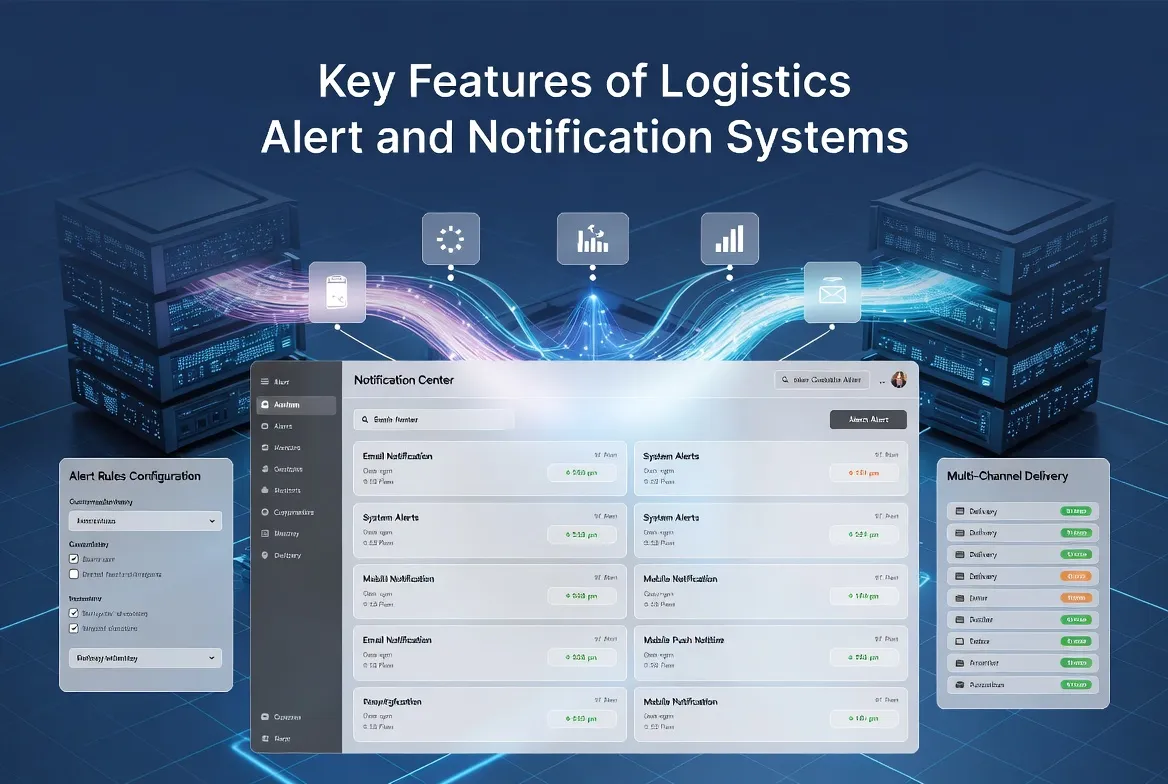
Once milestone events are defined, the system continuously tracks whether each milestone has been completed. If a milestone is delayed or missed, the platform can generate alerts or notifications to inform relevant operational staff.
For example, if a shipment has not departed as scheduled, the system may notify the operations team so they can investigate the cause of the delay and update downstream plans accordingly. This proactive monitoring helps logistics companies respond more quickly to operational issues.
Automated timeline tracking also reduces the need for manual status checks. Instead of repeatedly contacting carriers or partners for updates, operations teams can view shipment progress directly within the platform.
Integrating Milestones with Operational Tasks
Shipment milestones are closely linked with operational tasks within logistics platforms. Each milestone often triggers specific actions that must be completed by operational teams.
For example, when a booking confirmation milestone is reached, the system may trigger documentation preparation tasks. When cargo arrives at a warehouse, warehouse handling operations may begin. Similarly, when a vessel arrives at the destination port, customs clearance procedures may be initiated.
By linking milestones with operational tasks, digital platforms ensure that logistics processes follow structured operational timelines. This integration improves coordination across departments and reduces the risk of missed operational steps.
Improving Visibility for Logistics Stakeholders
Milestone tracking not only benefits internal operations teams but also improves visibility for external stakeholders such as customers, partners, and agents.
Digital logistics platforms can share milestone updates through customer portals, system integrations, or automated notifications. This allows stakeholders to monitor shipment progress without relying on manual communication with operations teams.
Improved visibility helps customers plan their own supply chain activities more effectively. For example, knowing the expected arrival date of cargo allows importers to prepare warehouse space, customs documentation, or distribution plans in advance.
Best Practices for Milestone Management
To effectively implement milestone tracking within digital logistics platforms, freight forwarders should follow several best practices.
First, companies should define standardized milestone frameworks that apply across common shipment types. Consistent milestone structures improve operational clarity and simplify system configuration.
Second, logistics companies should integrate milestone tracking with external data sources such as carrier systems or tracking providers whenever possible. Automated updates help ensure that milestone data remains accurate and up to date.
Finally, operational teams should regularly monitor milestone dashboards to identify potential delays or disruptions. Proactive monitoring allows companies to respond quickly and maintain reliable service levels.
Conclusion
Shipment milestones play a central role in managing freight forwarding operations. By defining key operational events throughout the shipment lifecycle, milestones help logistics companies maintain visibility over complex transportation processes.
Digital logistics platforms transform milestone management from a manual tracking process into a structured and automated system. Through milestone-based workflows, automated alerts, and integrated operational tasks, these platforms help freight forwarders manage shipment timelines more efficiently.
As global supply chains become increasingly complex, milestone-driven logistics management will remain a critical capability for freight forwarding companies seeking to improve operational reliability and service transparency.