.webp "How Digital Systems Improve Freight Partner Collaboration")
Mar 13,2026
How Digital Systems Improve Freight Partner Collaboration
Introduction
Email-based logistics relies on manual communication through emails to manage shipment processes, while platform-based collaboration uses centralized digital systems to enable real-time data sharing, workflow automation, and multi-role coordination. The key difference lies in efficiency, visibility, and scalability—email-based approaches are fragmented and manual, whereas platform-based collaboration provides structured, integrated, and automated operations.
As logistics operations become more complex and globalized, many freight forwarders and 3PL providers are transitioning from email-driven workflows to digital platforms to improve efficiency and service quality.
What is Email-Based Logistics vs Platform-Based Collaboration
Email-Based Logistics
Email-based logistics refers to managing logistics operations primarily through email communication.
Common characteristics include:
Shipment instructions sent via email
Documents shared as attachments
Status updates communicated manually
Coordination across multiple email threads
While this approach has been widely used, it often leads to inefficiencies and lack of control.
Platform-Based Collaboration
Platform-based collaboration uses a centralized logistics system where all stakeholders interact within a unified digital environment.
Key characteristics include:
Shared access to shipment data
Real-time tracking and updates
Integrated communication within workflows
Automated processes and notifications
This approach replaces fragmented communication with structured, system-driven collaboration.
Why This Comparison Matters
1. Increasing Operational Complexity
Global logistics involves multiple stakeholders, transport modes, and regulatory requirements.
Email-based communication cannot effectively handle this complexity.
2. Demand for Real-Time Visibility
Customers expect instant access to shipment information, which email-based systems cannot provide.
3. Need for Efficiency and Scalability
Manual processes limit growth. Platform-based systems enable scalable operations.
4. Risk of Errors and Delays
Email-based workflows are prone to:
Data duplication
Miscommunication
Delayed responses
5. Digital Transformation in Logistics
The industry is moving toward digital platforms to improve efficiency and competitiveness.
How Email-Based vs Platform-Based Collaboration Works
Email-Based Workflow
Shipper sends shipment request via email
Forwarder manually processes the request
Documents are exchanged through attachments
Status updates are sent manually
Issues are resolved through email threads
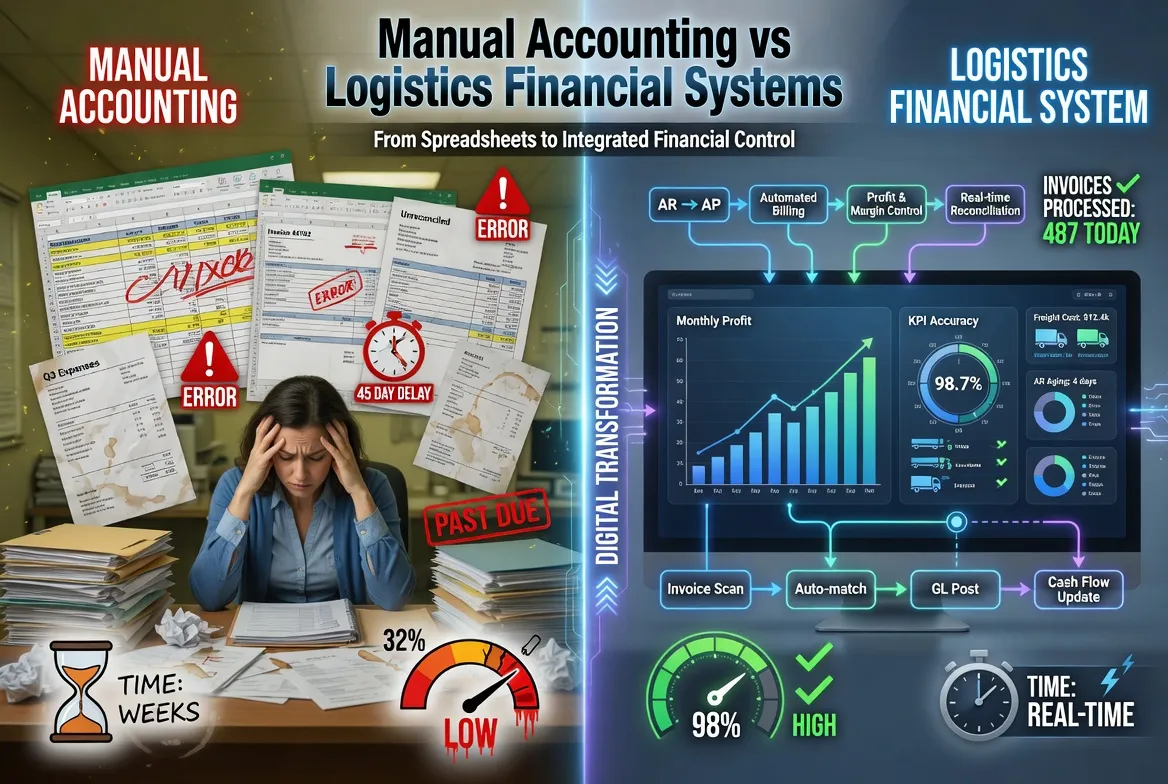
Financial communication is handled separately
This process is:
Time-consuming
Error-prone
Difficult to track
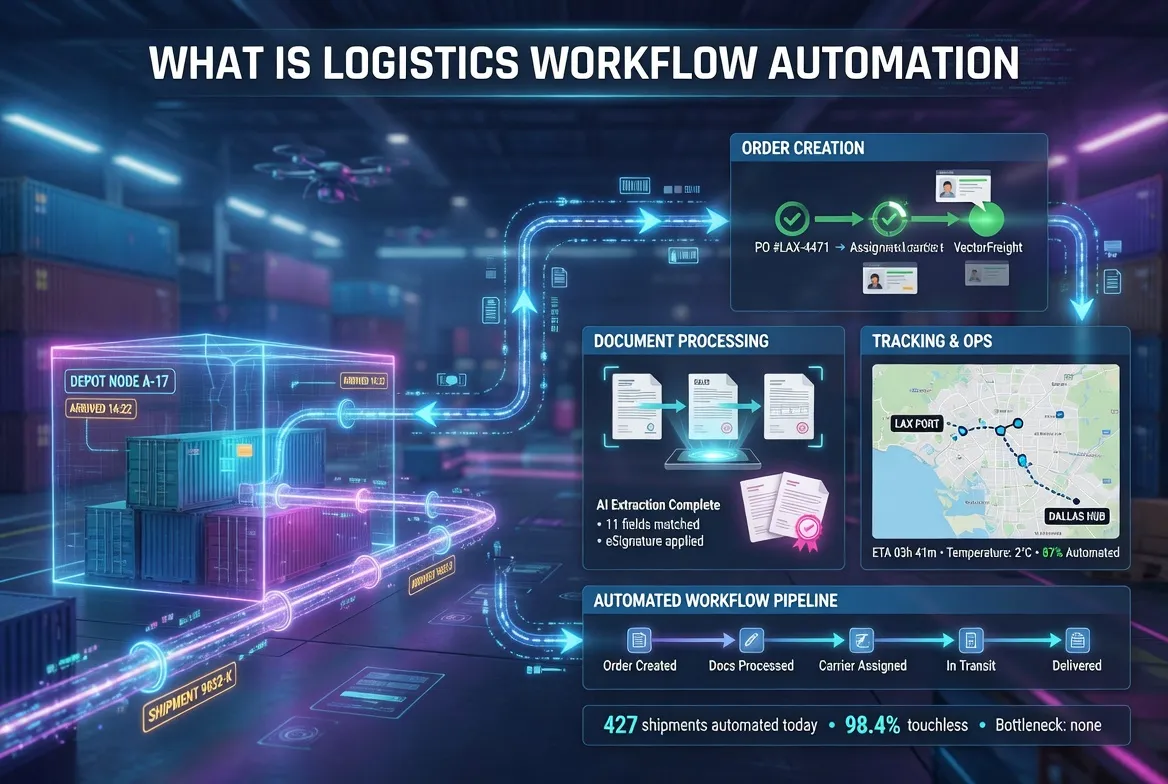
Platform-Based Workflow
Shipper submits order through a system or portal
Forwarder processes the order within a structured workflow
Documents are uploaded and managed centrally
Shipment status is updated automatically
Customers track progress in real time
Financial processes are integrated within the platform
This process is:
Automated
Transparent
Scalable
Key Features / Key Capabilities of Platform-Based Collaboration
1. Centralized Data Management
Single source of truth for all shipment data
Real-time synchronization across systems
2. End-to-End Visibility
Real-time tracking across all transport modes
Milestone-based tracking
Unified timeline view
3. Multi-Role Collaboration
Shared workflows between shippers, forwarders, and partners
Role-based access control
4. Integrated Communication
Messaging within the platform
Communication linked to specific shipments
5. Workflow Automation
Automated task assignment
SOP-driven processes
Reduced manual intervention
6. Document Management
Centralized storage and sharing
Easy retrieval and version control
7. Financial Integration
Automated billing and invoicing
Real-time cost tracking
Reconciliation management
8. AI and Automation Capabilities
AI-based data recognition (OCR)
Automated data entry
Intelligent alerts and exception handling
9. System Integration
API connectivity with external systems
Integration with ERP, WMS, and TMS platforms
Benefits for Logistics Companies
1. Improved Efficiency
Platform-based collaboration reduces manual tasks and accelerates workflows.
2. Enhanced Visibility
Real-time tracking improves transparency and control.
3. Reduced Errors
Centralized data and automation minimize inconsistencies.
4. Better Customer Experience
Customers gain instant access to shipment information and updates.
5. Scalable Operations
Systems support growth without increasing operational complexity.
Best Practices / Use Cases
1. Transitioning from Email to Platform
Logistics companies can gradually shift operations by:
Digitizing order management
Centralizing document handling
Implementing tracking systems
2. Freight Forwarding
Replace email-based coordination with system-driven workflows for multimodal shipments.
3. Cross-Border eCommerce Logistics
Manage high shipment volumes with automated tracking and communication.
4. 3PL Operations
Enable collaboration across warehousing, transportation, and distribution services.
Best Practices:
Minimize reliance on email for operational processes
Implement centralized logistics platforms
Automate repetitive workflows
Ensure real-time data synchronization
Provide customer self-service access
Conclusion
Email-based logistics has long been the standard for managing logistics operations, but it is increasingly insufficient in today’s complex and fast-paced environment. Platform-based collaboration offers a more efficient, transparent, and scalable alternative by integrating data, workflows, and communication into a single system.
As logistics companies continue to evolve, adopting platform-based collaboration will be essential for improving operational performance and delivering high-quality customer service.
Frequently Asked Questions
What is email-based logistics?
It is the use of email communication to manage logistics operations, including shipment coordination, document exchange, and status updates.
What is platform-based collaboration in logistics?
It is the use of digital systems to centralize data, automate workflows, and enable real-time collaboration between stakeholders.
Why is email-based logistics inefficient?
It relies on manual processes, leading to delays, errors, and lack of visibility.
What are the benefits of platform-based collaboration?
Benefits include improved efficiency, real-time visibility, reduced errors, and better customer experience.
How can companies transition to platform-based systems?
They can start by digitizing workflows, integrating systems, and reducing reliance on email communication.
About WallTech
WallTech provides digital logistics platforms that support platform-based collaboration by connecting customers, operators, and partners within a unified system. Through real-time shipment visibility and milestone-based tracking, logistics companies can manage operations with greater transparency and control. Multi-role collaboration enables seamless coordination across global supply chains, while automation features—including workflow automation, intelligent data processing, and automated financial management—help reduce manual workload and improve efficiency. By replacing fragmented communication methods with integrated digital workflows, WallTech helps logistics providers scale their operations and deliver more reliable, high-quality services.
If you're exploring ways to improve your logistics operations, feel free to connect with us to learn more about our solutions and system capabilities.