Mar 24,2026
Best Practices for Managing Supply Chain Digital Infrastructure
Introduction
Logistics systems coordinate global transportation networks by centralizing shipment data, standardizing workflows, and enabling real-time collaboration across multiple transportation modes, regions, and stakeholders. These systems act as a control layer that connects carriers, warehouses, customs authorities, and logistics partners into a unified operational environment.
In global logistics, transportation networks span multiple countries, modes (sea, air, rail, trucking), and service providers. Without a coordinated system, companies face fragmented communication, inconsistent processes, and limited visibility. Modern logistics systems solve this by integrating all transportation activities into a single platform, ensuring smoother execution and better decision-making.
What is a Global Transportation Network in Logistics?
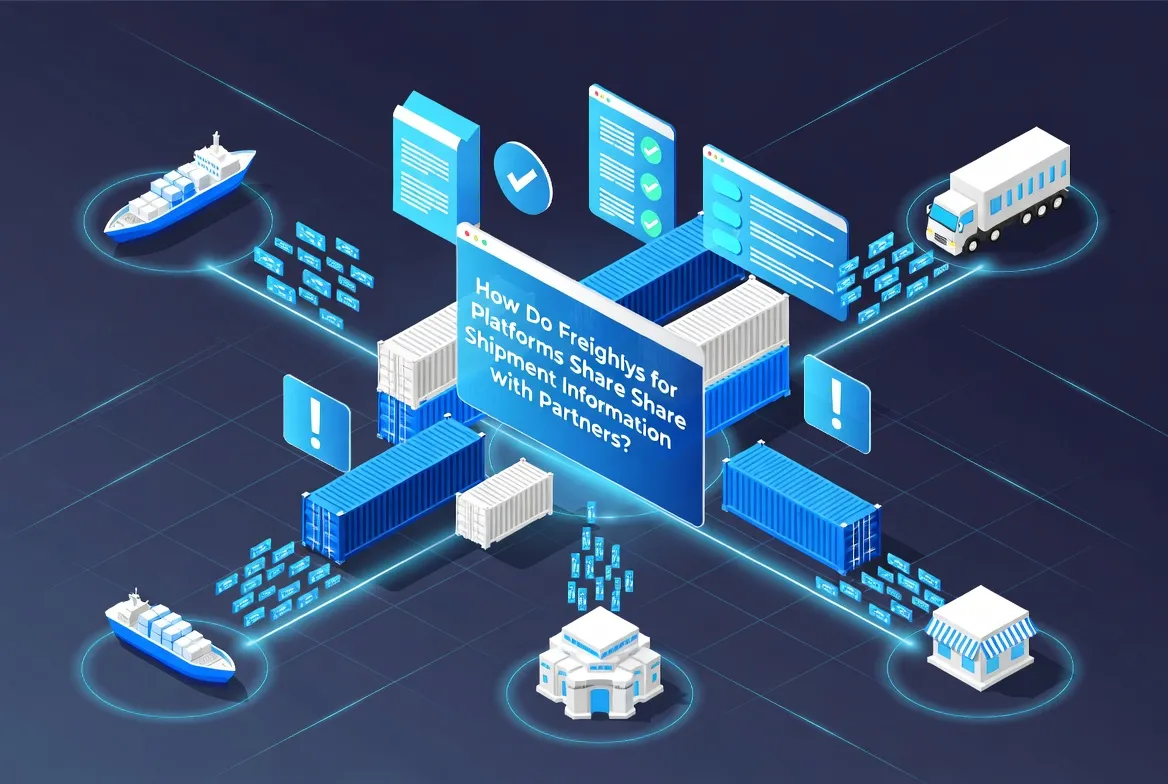
A global transportation network refers to the interconnected system of routes, carriers, facilities, and processes used to move goods across international markets. It typically includes:
Ocean, air, rail, and road transportation
Origin and destination warehouses
Cross-border customs checkpoints
Distribution hubs and last-mile delivery networks
Logistics service providers and agents across regions
For freight forwarders and 3PL providers, managing such a network involves coordinating multiple shipment legs, partners, and regulatory requirements.
Why Coordinating Global Transportation Networks Matters
Efficient coordination is essential because global transportation networks are inherently complex and dynamic.
Key challenges include:
Multiple stakeholders: Carriers, agents, warehouses, and customers must stay aligned
Disjointed systems: Different regions often use separate tools and platforms
Limited real-time visibility: Shipment status may not be updated consistently
Operational inefficiencies: Manual coordination slows down execution
Risk management: Delays, disruptions, and compliance issues require proactive monitoring
Without proper coordination, logistics operations become reactive rather than proactive, leading to delays and increased costs.
How Logistics Systems Coordinate Global Transportation Networks
Logistics systems coordinate global transportation networks through structured, technology-driven processes:
1. Centralized Shipment Management
All shipment data is managed within a single system, creating a unified source of truth for operations.
2. Multi-Modal Transportation Coordination
The system supports different transportation modes and connects them into a seamless workflow. Each leg of the journey is linked within the same shipment record.
3. Multi-Party Collaboration
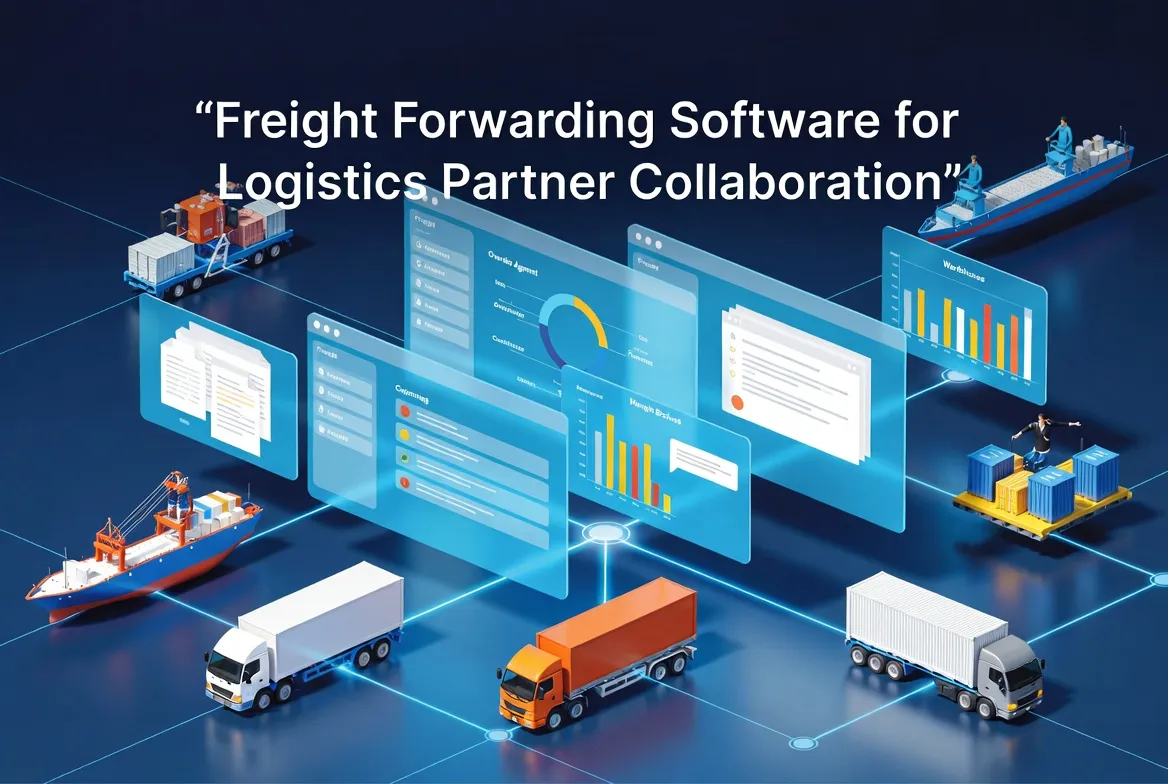
Stakeholders—including internal teams, overseas agents, and service providers—collaborate through the platform with role-based access and shared data.
4. Milestone-Based Tracking
Each shipment is tracked based on predefined milestones (e.g., pickup, departure, arrival, customs clearance, delivery). These milestones form a unified timeline.
5. Exception Management
Systems automatically detect delays or deviations and trigger alerts, enabling teams to respond proactively.
6. Integrated Financial Flow
Operational data is directly connected to financial processes, allowing automated billing, cost tracking, and reconciliation.
Key Features / Key Capabilities
Logistics systems provide several capabilities to coordinate global transportation networks effectively:
1. Unified Data Platform
Centralized storage of shipment data
Standardized data formats across regions
Elimination of data silos
2. End-to-End Visibility
Real-time tracking across all transportation legs
Milestone-based updates
Unified shipment timeline for all stakeholders
3. Multi-Role Collaboration
Coordination between sales, operations, finance, and partners
Upstream and downstream connectivity across the supply chain
Shared access to shipment information
4. Workflow Automation
Automated task assignment based on workflow stages
AI-powered document recognition and data entry
Reduced reliance on manual processes
5. Financial Automation
Automated billing and invoicing
Cost and revenue matching
Streamlined reconciliation processes
6. System Integration
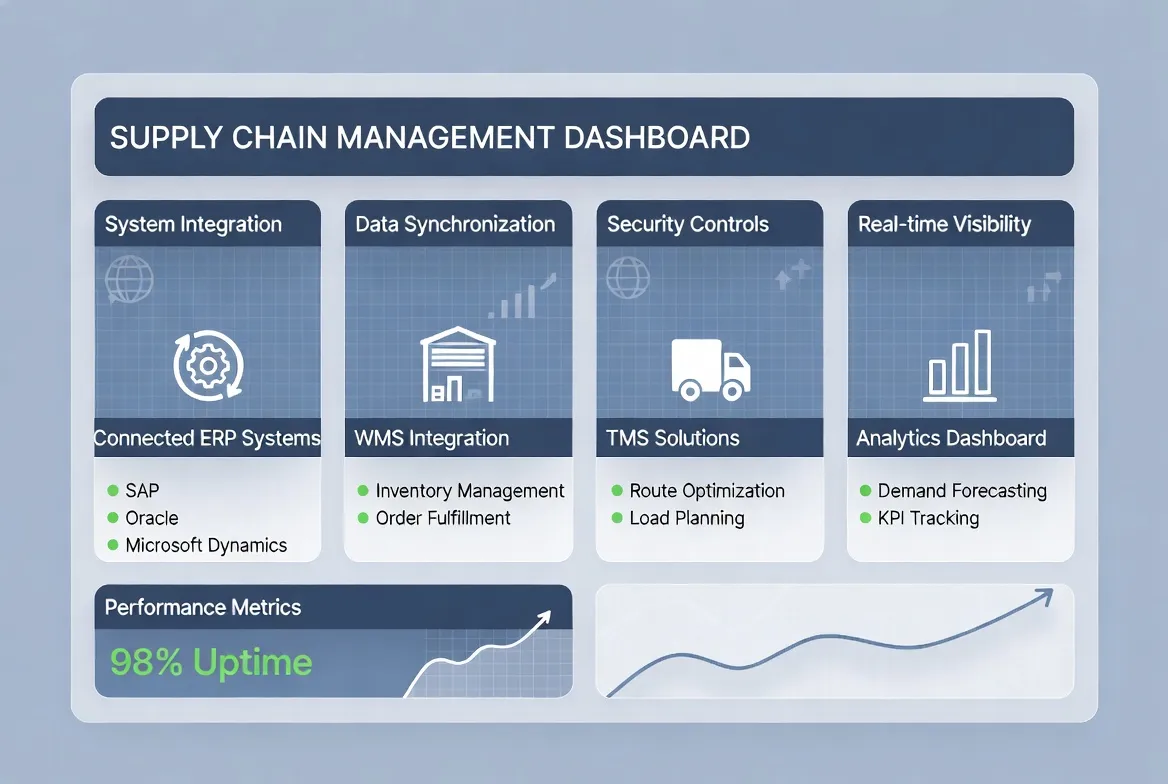
Connectivity with ERP, WMS, customs systems, and carrier platforms
API-based data exchange for seamless operations
Benefits for Logistics Companies
By coordinating global transportation networks through digital systems, logistics companies gain:
Operational efficiency: Faster execution and reduced manual workload
Improved visibility: Real-time insight into shipment status across all regions
Enhanced collaboration: Better coordination with global partners
Higher accuracy: Reduced errors in data and financial processes
Scalability: Ability to manage complex, high-volume networks
These benefits are particularly critical for companies managing cross-border eCommerce logistics and international freight forwarding operations.
Best Practices / Use Cases
To effectively coordinate global transportation networks, companies should follow these best practices:
1. Establish Standardized Processes
Define consistent workflows for different transportation modes and regions.
2. Implement a Unified System
Use a single platform to manage all transportation activities instead of fragmented tools.
3. Enable Real-Time Data Sharing
Allow all stakeholders to access and update shipment data in real time.
4. Use Milestone-Based Tracking
Track shipments using key events to improve visibility and control.
5. Automate Routine Operations
Leverage automation for documentation, task management, and financial processing.
6. Integrate Systems Across the Ecosystem
Ensure seamless connectivity between logistics platforms, carriers, and external systems.
Conclusion
Coordinating global transportation networks requires more than operational effort—it demands structured systems that integrate data, workflows, and stakeholders into a unified framework. Logistics systems provide this foundation by enabling visibility, automation, and collaboration across complex international networks.
As logistics operations continue to expand globally, companies that adopt integrated systems will be better positioned to manage complexity, reduce costs, and deliver reliable services.
Frequently Asked Questions
What is a global transportation network in logistics?
A global transportation network is the interconnected system of routes, carriers, and facilities used to move goods across international markets.
How do logistics systems coordinate transportation networks?
They centralize data, automate workflows, and enable real-time collaboration across stakeholders and transportation modes.
Why is coordination important in global logistics?
Effective coordination reduces delays, improves visibility, and ensures efficient execution across complex international operations.
What are the key features of logistics systems for network coordination?
Key features include real-time tracking, multi-role collaboration, workflow automation, and system integration.
What are the benefits of using logistics systems for global transportation?
Benefits include improved efficiency, better visibility, enhanced collaboration, and scalable operations.
About WallTech
WallTech provides digital logistics solutions designed to help companies coordinate complex global transportation networks through integrated, cloud-based platforms. By enabling end-to-end collaboration across multiple stakeholders, its systems connect upstream and downstream partners within a unified environment. Real-time shipment visibility and milestone-based tracking allow companies to monitor transportation progress across regions. In addition, workflow automation and financial automation—such as automated billing and reconciliation—help reduce manual effort and improve operational accuracy. These capabilities support logistics providers in enhancing efficiency and scaling their global operations effectively.
If you're exploring ways to improve your logistics operations, feel free to connect with us to learn more about our solutions and system capabilities.