
Apr 07,2026
How Real-Time Visibility Improves Logistics Decision-Making
International freight forwarding frequently involves more than one transportation method. A single shipment may move by truck from the factory to the port, travel by ocean vessel across continents, and then continue by rail or truck to the final destination. This type of transportation model is commonly referred to as multimodal transport.
Managing multimodal logistics operations is inherently complex. Each transport segment involves different carriers, schedules, documentation requirements, and operational procedures. Without a unified system, coordinating these activities can be challenging for freight forwarders.
Digital freight platforms help logistics companies manage multimodal transport more efficiently by integrating multiple transportation segments into a single operational environment. By providing centralized shipment management, route coordination, and milestone tracking, these systems enable freight forwarders to maintain control over complex transportation chains.
Understanding Multimodal Transport in Global Logistics
Multimodal transport refers to the movement of goods using two or more modes of transportation under a coordinated logistics plan. Common combinations include sea–truck transport, air–truck transport, rail–sea connections, or combinations of sea, rail, and trucking services.
This transportation model allows freight forwarders to design flexible logistics routes that balance cost, transit time, and infrastructure availability. For example, ocean freight may handle long-distance international transport, while trucks or railways manage regional distribution.
Because each transport mode operates under different operational conditions, coordinating multimodal shipments requires careful planning. Freight forwarders must align schedules, manage documentation across transport segments, and ensure cargo transitions smoothly between carriers.
Operational Challenges in Multimodal Freight Management
Managing multimodal transport manually can introduce several operational challenges for freight forwarding companies.
One major challenge is coordinating multiple carriers. Each transportation segment may involve a different service provider with its own booking procedures, schedules, and operational requirements. Keeping track of these relationships across shipments can be difficult without a centralized system.
Another challenge involves shipment visibility. When cargo moves across multiple transport modes, tracking its progress requires information from several sources. Without integrated systems, operational teams may struggle to obtain consistent updates across the entire shipment journey.
Documentation management also becomes more complex in multimodal logistics. Different transport segments may require separate documents, such as bills of lading, airway bills, or customs declarations. Ensuring that documentation remains consistent across the shipment lifecycle is critical for avoiding delays.
Centralized Shipment Management Across Transport Modes
Digital freight platforms simplify multimodal logistics by centralizing shipment management within a single system. Instead of managing each transport segment separately, operational teams can maintain a unified shipment record that includes all transportation stages.
Within the system, freight forwarders can define each transport segment as part of a structured routing plan. For example, the shipment record may include trucking from origin to port, ocean transport between ports, and final delivery by truck or rail.
By linking these segments together in the platform, operations teams can monitor the entire transportation chain from origin to destination. This centralized approach reduces the need for fragmented operational tracking and improves overall coordination.
Coordinating Carriers and Transport Segments
Managing multimodal shipments requires coordination between multiple logistics partners. Freight forwarders must ensure that carriers across different transportation modes operate according to aligned schedules and service requirements.
Digital logistics systems allow companies to record carrier assignments for each transport segment within the shipment workflow. Operational teams can track which carriers are responsible for each stage of the journey and manage booking information within the same platform.
This structured approach improves coordination between transport providers. When schedules change or operational issues occur, logistics teams can identify which segment is affected and take appropriate action to maintain the overall shipment timeline.
Multimodal transportation capabilities are commonly supported within modern freight forwarding platforms, allowing companies to manage sea, air, land, and express transport within one integrated operational system.
WallTech eTowerB2B product intr…
Monitoring Milestones Across Transportation Stages
Another important capability of digital freight platforms is the ability to track operational milestones across multiple transport stages.
Each stage of the shipment can be associated with specific events, such as cargo pickup, port departure, arrival at transshipment hubs, customs clearance, or final delivery. These milestones help operations teams monitor shipment progress and identify potential disruptions.
By capturing milestone data within the platform, logistics companies can maintain better visibility over multimodal operations. This visibility allows teams to detect delays earlier and coordinate responses more effectively.
Milestone monitoring also helps ensure that operational tasks such as documentation updates, cargo transfers, and carrier coordination occur at the correct stage of the shipment process.
Integration with External Logistics Systems
Multimodal freight operations often require interaction with external systems, including carrier platforms, warehouse systems, customs systems, and transport providers.
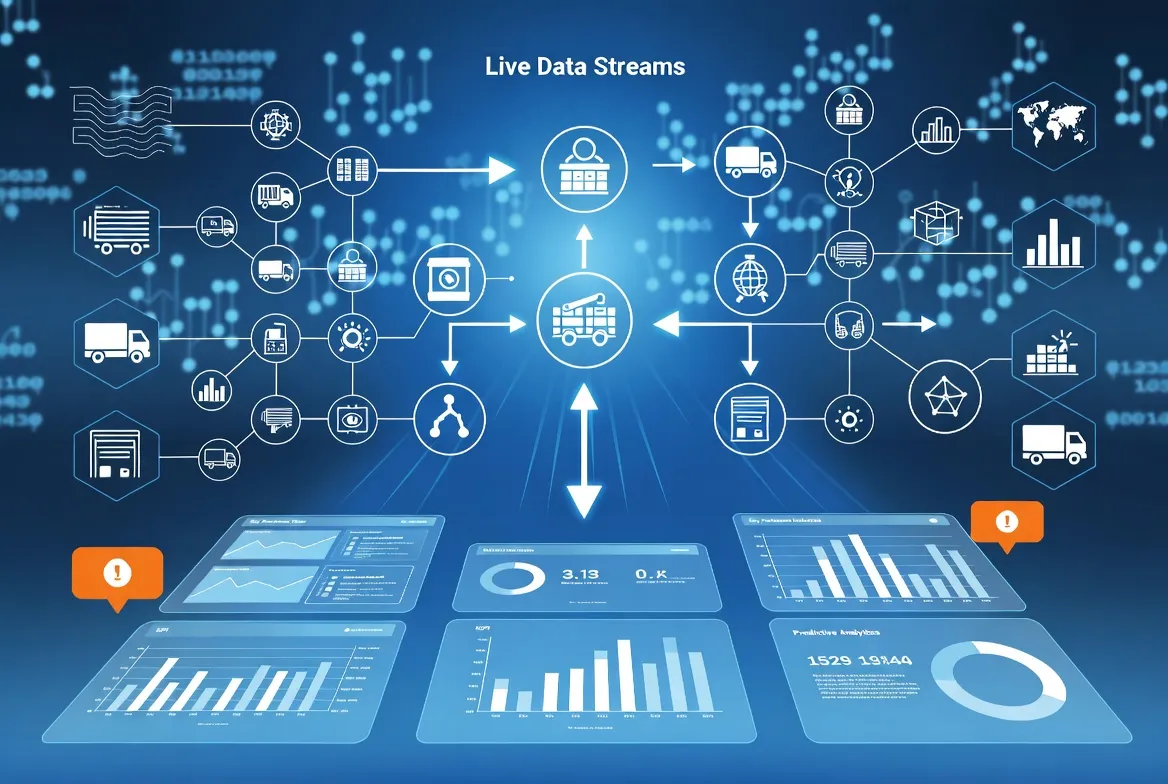
Digital freight platforms support these interactions through system integration capabilities. By connecting with external data sources, the platform can receive schedule updates, shipment status information, or documentation data from different logistics partners.
Integration helps ensure that information flows smoothly between systems involved in the shipment process. This reduces the need for manual updates and improves data consistency across transport segments.
Benefits of Digital Multimodal Logistics Management
Adopting digital systems for multimodal transport management provides several advantages for freight forwarding companies.
First, centralized shipment coordination improves operational control. By managing all transport segments within one system, companies can maintain a clear overview of complex logistics operations.
Second, digital platforms enhance operational efficiency by reducing manual communication and fragmented tracking processes. Automated workflows and milestone monitoring help operations teams respond more quickly to schedule changes or disruptions.
Third, improved visibility across transport stages supports better customer communication. Freight forwarders can provide more accurate shipment updates when they have access to integrated operational data.
Conclusion
Multimodal transport is an essential component of modern global logistics, allowing freight forwarders to design flexible transportation routes that combine different transport modes. However, managing these complex logistics networks requires effective coordination across carriers, schedules, and operational processes.
Digital freight platforms provide the tools needed to manage multimodal logistics more efficiently. Through centralized shipment management, structured routing plans, milestone tracking, and system integration, these platforms help freight forwarders coordinate complex transport operations within a unified system.
As global supply chains continue to evolve, the ability to manage multimodal transport digitally will remain a key capability for logistics companies seeking to improve operational efficiency and maintain reliable freight services.
.webp "Operational Challenges Freight Forwarders Face Without Integrated Systems")