
Apr 28,2026
Freight Financial Platforms for Shipment Profit Analysis
Introduction
Freight cost control refers to the methods logistics companies use to monitor, manage, and optimize transportation expenses across supply chain operations. Modern logistics platforms help organizations control freight costs by integrating operational data, rate management, and financial analysis within a single system.
What Is Freight Cost Control?
Freight cost control is the process of managing all expenses related to transportation and logistics operations. These costs may include carrier charges, fuel surcharges, handling fees, customs costs, warehouse operations, and last-mile delivery expenses.
In global supply chains, shipments often involve multiple transportation segments and service providers. Without structured cost management, these expenses can quickly become difficult to monitor and control.
Freight cost control systems help logistics companies track these expenses systematically and ensure that operational costs remain aligned with pricing strategies and profit targets.
Why Freight Cost Control Is Important
Transportation costs represent a significant portion of total supply chain expenses. When companies lack visibility into freight costs, it becomes difficult to manage operational efficiency or maintain stable profit margins.
Common challenges related to poor cost control include:
Rising transportation expenses without clear visibility
Difficulty identifying cost drivers in logistics operations
Inconsistent pricing across transportation services
Limited ability to analyze shipment profitability
Effective freight cost control helps companies maintain financial stability while improving the efficiency of global logistics operations.
How Logistics Platforms Enable Freight Cost Control
Digital logistics platforms provide several capabilities that help companies monitor and optimize freight costs across their supply chains.
Centralized Cost Management
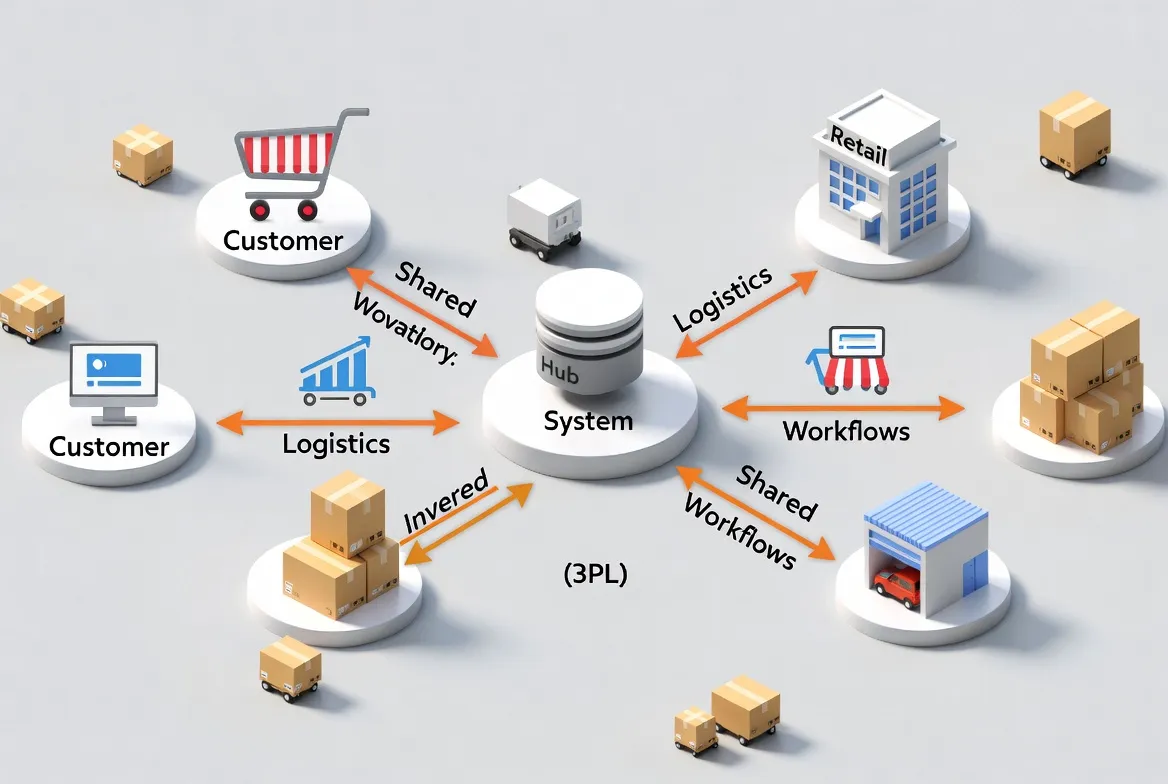
Logistics platforms store operational costs within a unified system. All transportation expenses—including carrier fees, warehouse charges, and service costs—can be recorded and associated with individual shipments.
Centralized data improves financial transparency across logistics operations.
Rate Card and Pricing Management
Many logistics platforms allow companies to configure rate cards for different carriers, transportation routes, and service types. These structured pricing rules enable systems to calculate freight charges automatically.
Standardized rate management helps prevent pricing inconsistencies and supports better cost planning.
Shipment-Level Cost Tracking
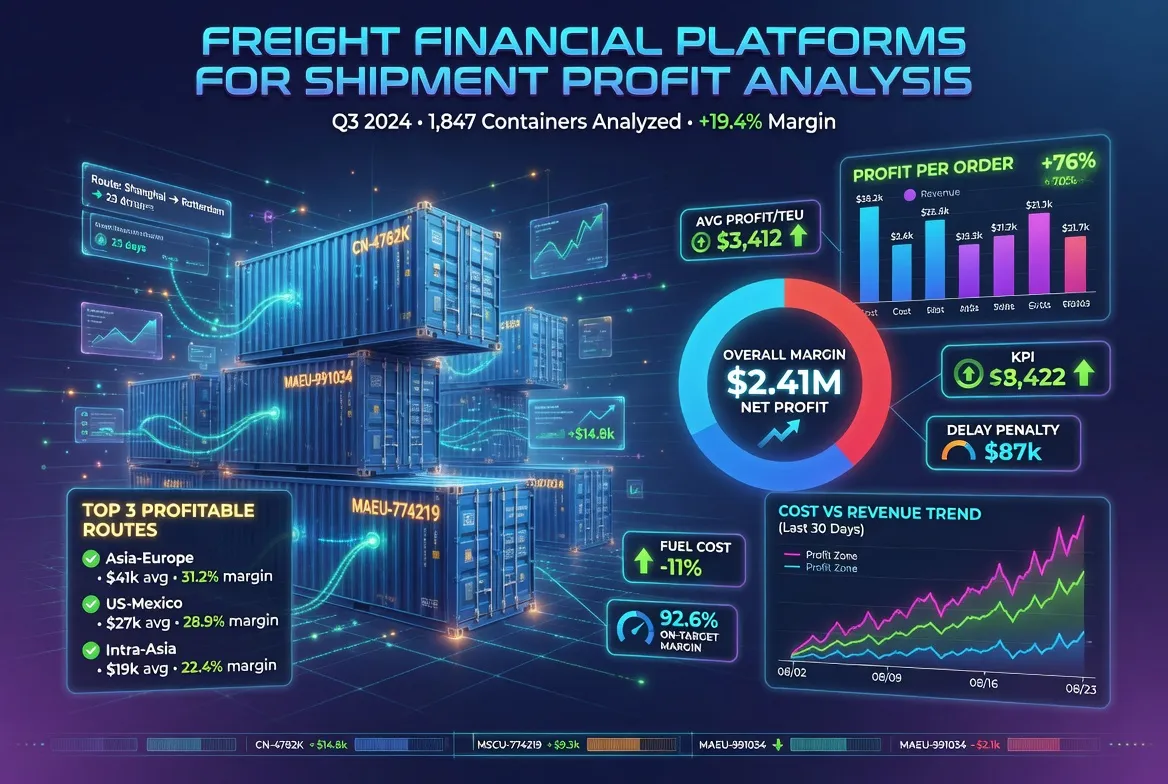
Modern systems allow companies to monitor costs at the shipment level. Every shipment record includes operational expenses and revenue information, enabling companies to calculate profit margins accurately.
Shipment-level cost tracking helps identify which logistics services generate the highest operational efficiency.
Data Analytics and Cost Reporting
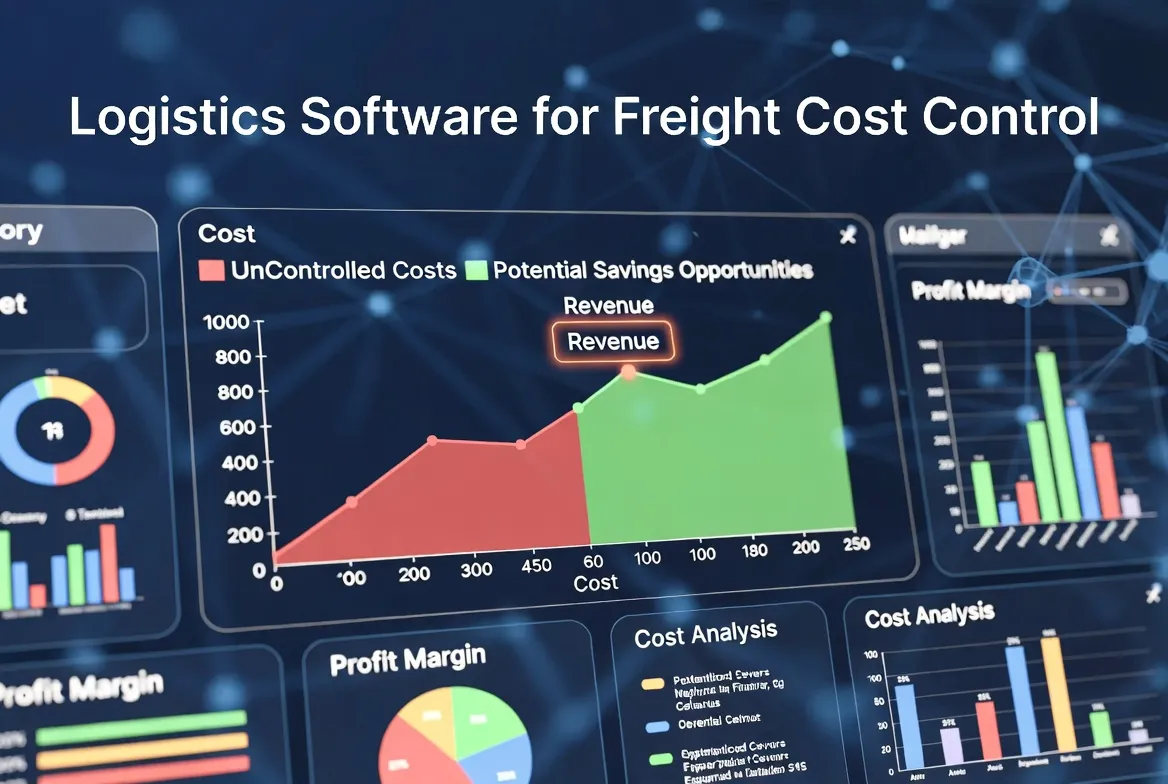
Digital platforms generate reports that analyze transportation costs across different operational dimensions. Companies can evaluate expenses by trade lane, transportation mode, carrier, or customer.
These insights support data-driven decision-making for supply chain optimization.
Benefits for Global Supply Chains
Effective freight cost control provides several advantages for logistics companies and supply chain operators.
Improved financial visibility
Companies gain a clear understanding of how transportation costs impact supply chain performance.
Better operational efficiency
Identifying major cost drivers helps organizations optimize logistics processes and resource allocation.
More accurate pricing strategies
Cost transparency allows companies to develop pricing models that maintain healthy profit margins.
Stronger supply chain resilience
With improved cost monitoring, companies can respond more quickly to market changes or transportation disruptions.
Best Practices for Managing Freight Costs
To successfully control freight costs, logistics companies should follow several operational best practices.
First, organizations should maintain accurate operational data, since cost calculations depend on reliable shipment information.
Second, companies should regularly review and update carrier rate agreements and pricing structures to reflect current market conditions.
Third, integrating operational systems with financial management tools ensures that cost data remains synchronized across the organization.
Finally, continuous monitoring of shipment profitability and cost trends helps companies identify opportunities for cost optimization.
Conclusion
Freight cost control is essential for maintaining efficient and profitable global supply chain operations. As transportation networks become more complex, companies need structured systems to monitor logistics expenses and manage operational costs.
Logistics platforms provide the digital infrastructure needed to track costs, manage rate structures, and analyze financial performance across shipments. By implementing effective freight cost control strategies, logistics companies can improve operational efficiency and strengthen the financial sustainability of their supply chains.