
Apr 15,2026
How Cloud Technology Powers Logistics Systems
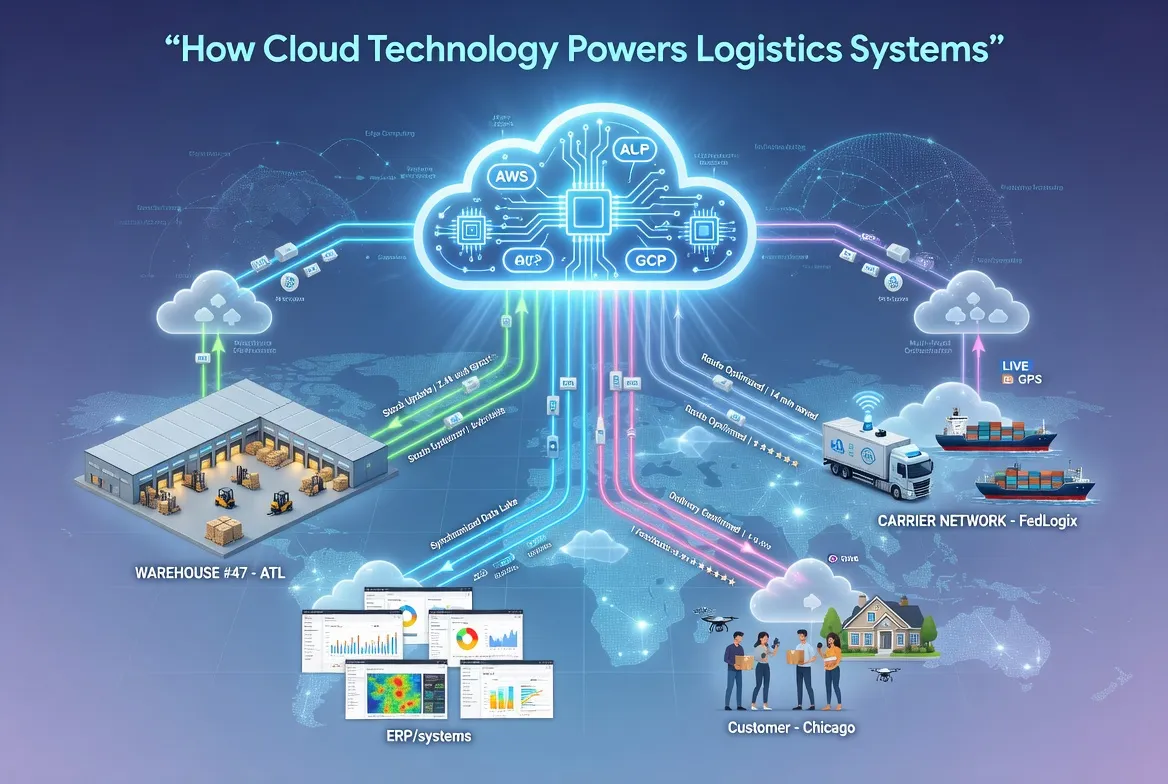
Modern logistics operations rarely rely on a single system. Freight forwarders, logistics providers, and cross-border fulfillment companies typically use multiple software platforms to manage different parts of the supply chain. These may include enterprise resource planning (ERP) systems, warehouse management systems (WMS), e-commerce platforms, customs systems, and carrier tracking tools.
Without proper integration, data must be transferred manually between these systems, leading to duplicated work, inconsistent information, and operational delays. Logistics platforms address this challenge by enabling structured system integration across the logistics ecosystem.
Connecting Operational Systems Through APIs
Application Programming Interfaces (APIs) play a key role in modern logistics integration. APIs allow different software platforms to exchange data automatically in real time.
For example, when a customer creates an order in an ERP or e-commerce platform, the information can be transmitted directly to the logistics system through an API connection. Shipment details such as product information, delivery addresses, and order quantities are automatically synchronized.
This automated data flow eliminates the need for manual data entry and ensures that operational systems remain aligned.
Supporting Integration with Warehouse Management Systems
Warehouse operations are a critical part of many logistics workflows. Inventory handling, inbound receiving, picking, packing, and outbound shipping are typically managed through warehouse management systems.
By integrating logistics platforms with WMS solutions, companies can synchronize order information and warehouse activities. When a shipment order is created, the corresponding warehouse tasks can be triggered automatically.
As warehouse operations progress—such as goods receiving or shipment dispatch—status updates can be transmitted back to the logistics platform, ensuring that shipment records remain accurate.
Enabling Connectivity with External Logistics Partners
Logistics operations often involve collaboration with multiple service providers, including carriers, overseas agents, customs brokers, and tracking service providers.
Integration with these external systems allows logistics platforms to capture operational events automatically. For example, shipment tracking updates from carriers can be synchronized with the logistics platform to provide real-time status visibility.
This connectivity enables logistics providers to monitor shipments across different transportation segments while maintaining a consistent operational record.
Synchronizing Financial and Business Data
Integration between logistics platforms and ERP systems also improves financial coordination. Shipment-related charges, invoices, and settlement records can be transmitted directly between operational systems and financial management platforms.
When financial data flows automatically between systems, companies reduce the need for manual reconciliation and improve the accuracy of billing and accounting processes.
This integration ensures that operational activities and financial records remain synchronized.
Supporting E-Commerce and Marketplace Integration
Cross-border logistics companies increasingly work with e-commerce platforms and online marketplaces. Orders generated from these platforms need to be processed quickly within logistics systems.
Integration with e-commerce platforms allows order information to be imported automatically into the logistics platform. Once the shipment is processed, tracking numbers and delivery status can be transmitted back to the marketplace or seller platform.
This automated synchronization improves order fulfillment efficiency and enhances the customer experience.
Reducing Operational Complexity
Without system integration, logistics teams often rely on manual processes to move data between systems. This can result in duplicated data entry, inconsistent records, and delays in operational workflows.
Logistics platforms that support integration create a connected digital environment where operational data flows automatically between systems. This reduces administrative workload and improves operational accuracy.
By linking operational, financial, and partner systems, logistics companies can manage complex supply chain activities more efficiently.
Integration as a Foundation for Digital Logistics
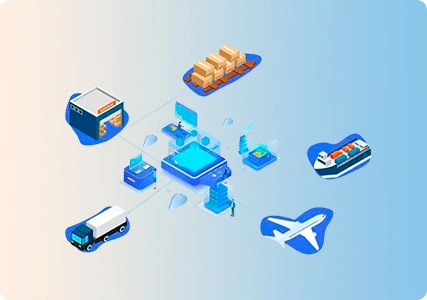
As logistics networks become more interconnected, system integration has become a fundamental requirement for efficient operations. Logistics platforms act as a central hub that connects different software systems and data sources across the supply chain.
Through API connections, data synchronization, and partner integrations, these platforms enable logistics providers to coordinate operations across multiple systems while maintaining data consistency and operational transparency.
For companies operating in complex global logistics environments, strong system integration capabilities are essential for building scalable and efficient digital logistics infrastructure.