Mar 02,2026
WallTech CEO Guo Shunri Attends Launch of Global Shipping & Trade Supply Chain Management Service Platform in Hongkou
Introduction
Logistics systems manage freight billing processes by automating the creation, calculation, validation, and delivery of invoices based on shipment data, pricing rules, and operational milestones. By integrating billing workflows with logistics operations, these systems ensure that charges are accurate, consistent, and generated in a timely manner, while also supporting real-time visibility and reconciliation.
In modern logistics—especially for freight forwarders, 3PLs, and cross-border eCommerce providers—billing is no longer a simple post-operation task. It is a dynamic, data-driven process that must handle complex pricing structures, multiple stakeholders, and high transaction volumes.
What is Freight Billing in Logistics?
Freight billing refers to the process of calculating and issuing invoices for logistics services provided to customers, as well as managing supplier-related charges.
It typically includes:
Customer Billing (Accounts Receivable)
Freight charges
Service fees (handling, documentation, customs)
Surcharges (fuel, peak season, security)
Supplier Billing (Accounts Payable)
Carrier invoices
Terminal and port charges
Warehousing and last-mile service costs
Freight billing must account for diverse pricing models, including:
Contract-based pricing
Spot rates
Volume-based pricing
Multi-leg and multi-modal charges
Why Freight Billing Processes Matter
Efficient freight billing processes are critical to logistics operations for several reasons:
1. Revenue Accuracy
Incorrect billing leads to revenue leakage or customer disputes.
2. Cash Flow Efficiency
Delayed invoicing directly impacts payment cycles and liquidity.
3. Operational Alignment
Billing must reflect actual shipment execution to ensure accuracy.
4. Customer Satisfaction
Transparent and timely invoices improve customer trust.
5. Financial Control
Consistent billing processes reduce errors and improve auditability.
How Logistics Systems Manage Freight Billing Processes
Modern logistics systems manage billing through automation, integration, and structured workflows:
1. Integration with Shipment Data
Billing processes are directly linked to shipment information:
Shipment details (route, weight, volume)
Operational milestones (booking, departure, delivery)
Service types and additional charges
This ensures that invoices are based on actual logistics activities.
2. Automated Pricing and Charge Calculation
Logistics systems apply predefined pricing rules to calculate charges:
Customer-specific rate agreements
Tariff-based pricing structures
Dynamic calculations based on shipment parameters
This eliminates manual calculations and ensures consistency.
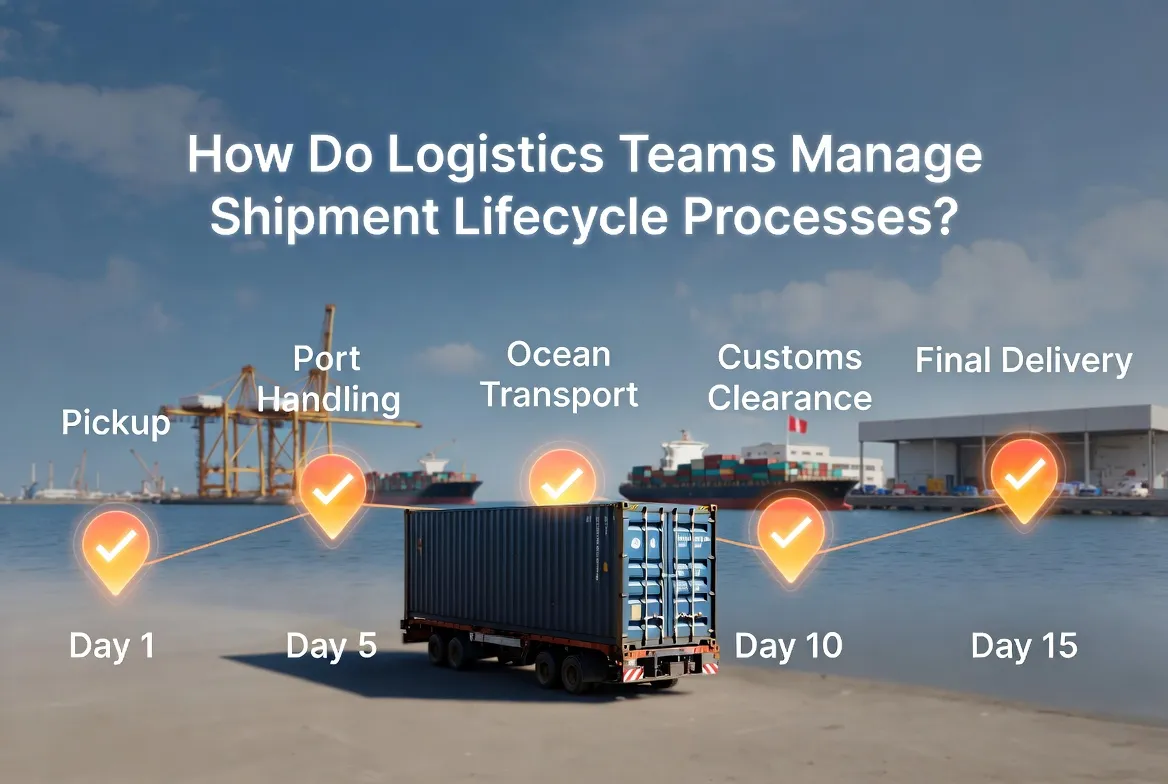
3. Milestone-Based Billing Triggers
Billing events are triggered automatically based on shipment progress:
Booking → preliminary billing or deposit
Departure → partial billing
Delivery → final invoice generation
This aligns billing timing with operational milestones.
4. Invoice Generation and Management
Once charges are calculated:
Invoices are generated automatically
Supporting documents are attached
Billing details are standardized
This reduces administrative workload and speeds up invoicing.
5. Multi-Role Collaboration
Freight billing involves coordination across multiple roles:
Operations teams confirm shipment data
Sales teams define pricing agreements
Finance teams review and approve invoices
Customers receive and validate billing
A unified platform ensures all stakeholders work with the same data, improving accuracy and efficiency.
6. Automated Reconciliation
Logistics systems support reconciliation by:
Matching supplier invoices with expected costs
Identifying discrepancies between planned and actual charges
Flagging exceptions for review
This reduces manual effort and improves financial control.
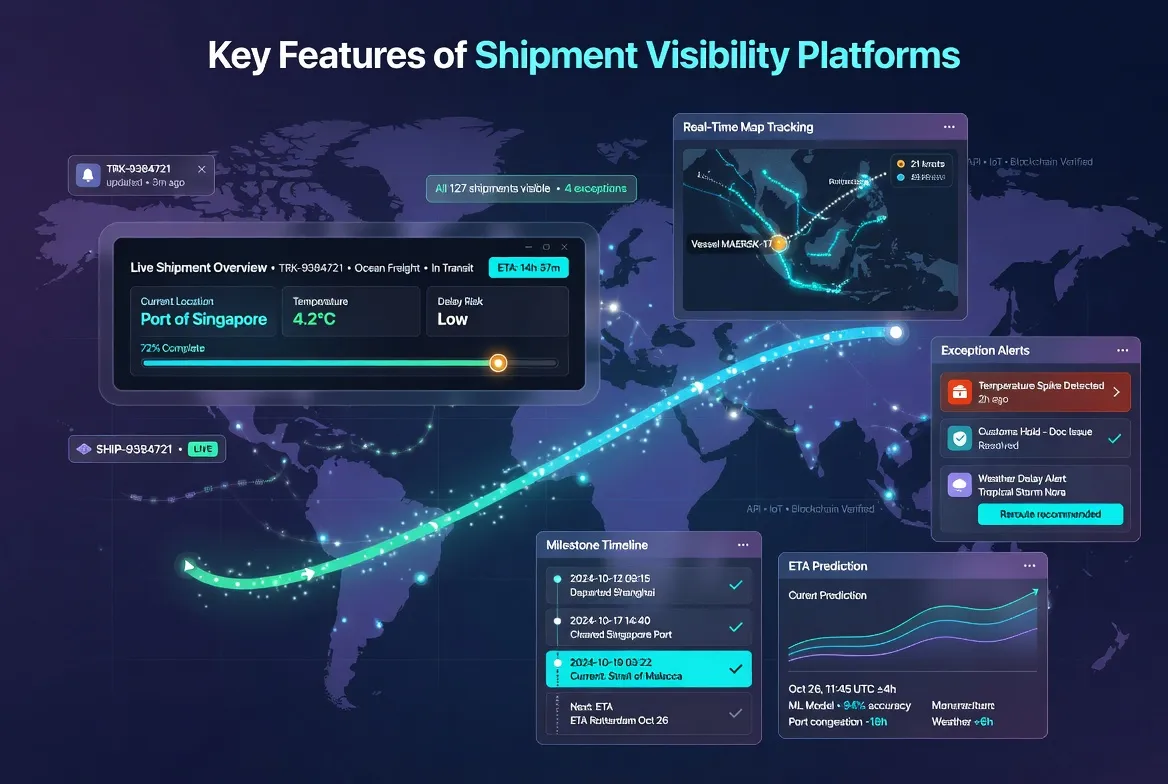
7. Real-Time Visibility and Tracking
Billing status can be tracked in real time:
Pending invoices
Issued invoices
Paid and overdue invoices
This visibility helps finance teams manage receivables and cash flow more effectively.
Key Features / Key Capabilities
Key capabilities of logistics systems for freight billing include:
Automated Billing Engine
Generates invoices based on predefined rulesFlexible Pricing Configuration
Supports complex and customer-specific pricing modelsMilestone-Based Billing
Aligns billing events with shipment progressAI Data Recognition
Extracts billing data from documents and invoicesIntegrated AR/AP Management
Handles both customer and supplier billing workflowsMulti-Currency Support
Manages global transactions with exchange rate handlingUnified Timeline Visibility
Combines operational and financial data in one interface
Benefits for Logistics Companies
Faster Billing Cycles
Automation enables quicker invoice generation and delivery.
Improved Accuracy
System-driven calculations reduce billing errors.
Reduced Manual Work
Automated workflows minimize administrative tasks.
Better Cash Flow Management
Timely billing and tracking improve payment collection.
Enhanced Customer Experience
Clear and accurate invoices build trust and reduce disputes.
Best Practices / Use Cases
1. Automating Invoice Generation
Use system rules to generate invoices immediately after milestone completion.
2. Standardizing Pricing Rules
Ensure consistent pricing across customers and services.
3. Integrating Billing with Operations
Link billing processes directly to shipment workflows.
4. Implementing Approval Workflows
Set up validation processes for high-value or complex invoices.
5. Using Exception Management
Focus on resolving discrepancies rather than manual processing.
Conclusion
Logistics systems transform freight billing from a manual, time-consuming process into an automated, integrated workflow. By linking billing with shipment data and operational milestones, these systems ensure accuracy, efficiency, and transparency.
For logistics companies handling complex, high-volume operations, digital freight billing is essential for maintaining financial control, improving cash flow, and delivering a better customer experience.
Frequently Asked Questions
What is freight billing in logistics?
Freight billing is the process of calculating and issuing invoices for logistics services, including both customer charges and supplier costs.
How do logistics systems automate billing?
They apply predefined pricing rules, use shipment data, and trigger invoice generation based on operational milestones.
Why is automated billing important?
It improves accuracy, reduces manual work, speeds up invoicing, and enhances cash flow management.
What challenges does freight billing solve?
It addresses issues such as pricing complexity, manual errors, delayed invoicing, and lack of financial visibility.
About WallTech
WallTech provides digital logistics solutions that integrate freight billing processes with end-to-end operational workflows. Its platforms enable seamless collaboration across operations, finance, and external partners, ensuring that billing data is always aligned with shipment activities. With real-time visibility through milestone-based tracking and automation capabilities such as AI-driven data recognition, invoice generation, and reconciliation, WallTech helps logistics companies improve billing accuracy, reduce manual effort, and accelerate financial processes. This supports scalable growth while maintaining strong financial control.
If you're exploring ways to improve your logistics operations, feel free to connect with us to learn more about our solutions and system capabilities.