

Nov 10,2025
When Logistics Meets Native AI: WallTech's Global Launch Event
Introduction
Logistics platforms calculate shipment profitability by aggregating all associated costs and revenues at the shipment level, then dynamically comparing them in real time to determine profit or loss. By integrating operational data, automating cost capture, and linking financial workflows to shipment milestones, these platforms provide accurate and timely visibility into margins for each shipment, customer, or route.
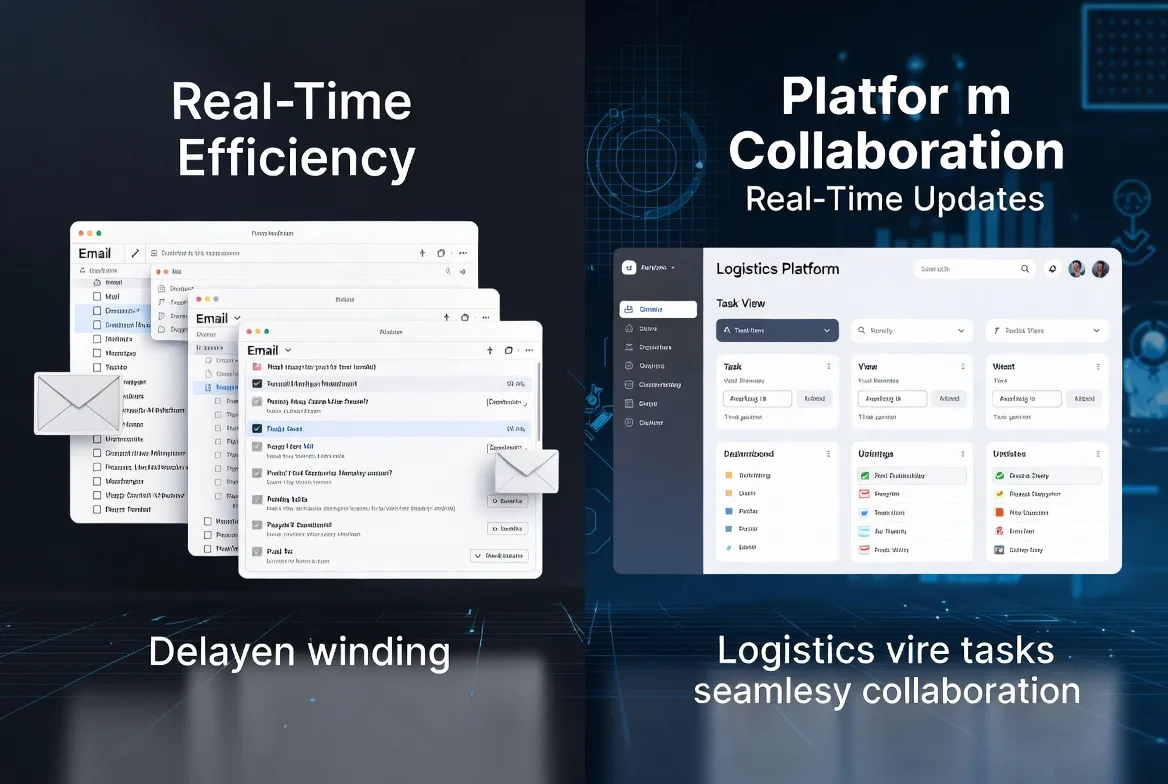
In global logistics—where shipments involve multiple vendors, cost structures, and currencies—manual profitability calculation is often delayed and error-prone. Digital platforms solve this by embedding profitability analysis directly into the logistics workflow, enabling continuous financial insight rather than retrospective reporting.
What is Shipment Profitability?
Shipment profitability refers to the financial outcome of a single logistics transaction, calculated as:
Total Revenue – Total Costs = Profit (or Loss)
It includes:
Revenue Components
Freight charges billed to customers
Service fees (handling, documentation, customs)
Surcharges (fuel, peak season, security)
Cost Components
Carrier and subcontractor charges
Port and terminal fees
Warehousing and last-mile costs
Customs and compliance costs
In a logistics platform, profitability is calculated per shipment, but can also be aggregated across customers, trade lanes, or time periods.
Why Shipment Profitability Matters
Understanding shipment-level profitability is critical for logistics companies aiming to optimize operations and pricing.
1. Margin Visibility
Without accurate tracking, companies may operate unprofitable shipments without realizing it.
2. Pricing Optimization
Profitability insights help refine pricing strategies and customer contracts.
3. Cost Control
Identifying cost drivers enables better negotiation with suppliers and carriers.
4. Performance Analysis
Companies can evaluate performance by route, customer, or service type.
5. Strategic Decision-Making
Data-driven insights support decisions on expansion, partnerships, and service offerings.
How Logistics Platforms Calculate Shipment Profitability
Modern logistics platforms calculate profitability through a structured and automated approach:
1. Centralized Shipment Data
Each shipment acts as a central entity where:
All operational activities are recorded
All financial data (costs and revenue) is linked
Profitability is calculated continuously
This ensures that financial analysis is always aligned with real shipment execution.
2. Automated Cost Collection
Costs are captured from multiple sources:
Supplier invoices
Predefined rate agreements
Operational triggers (e.g., booking, handling, delivery)
AI-based data recognition can extract cost details from invoices, reducing manual input and improving accuracy.
3. Revenue Mapping and Pricing Rules
Revenue is calculated based on:
Customer-specific pricing agreements
Rate cards and contracts
Dynamic pricing rules (e.g., weight, volume, route)
The system ensures that all applicable charges are included and consistently applied.
4. Milestone-Based Financial Updates
Profitability evolves as shipments progress:
Booking stage → estimated profit based on planned costs and revenue
Execution stage → updated profit as actual costs are recorded
Completion stage → final profit after reconciliation
This milestone-based approach provides both forecasted and actual profitability.
5. Multi-Currency and Tax Handling
For cross-border shipments:
Costs and revenue may be recorded in different currencies
Exchange rates are applied automatically
Taxes and duties are incorporated into calculations
This ensures accurate financial reporting across global operations.
6. Real-Time Profitability Dashboards
Logistics platforms provide dashboards that display:
Shipment-level profit and loss
Margin percentages
Cost vs. revenue breakdowns
Exception alerts (e.g., negative margins)
These insights are available in real time, enabling proactive management.
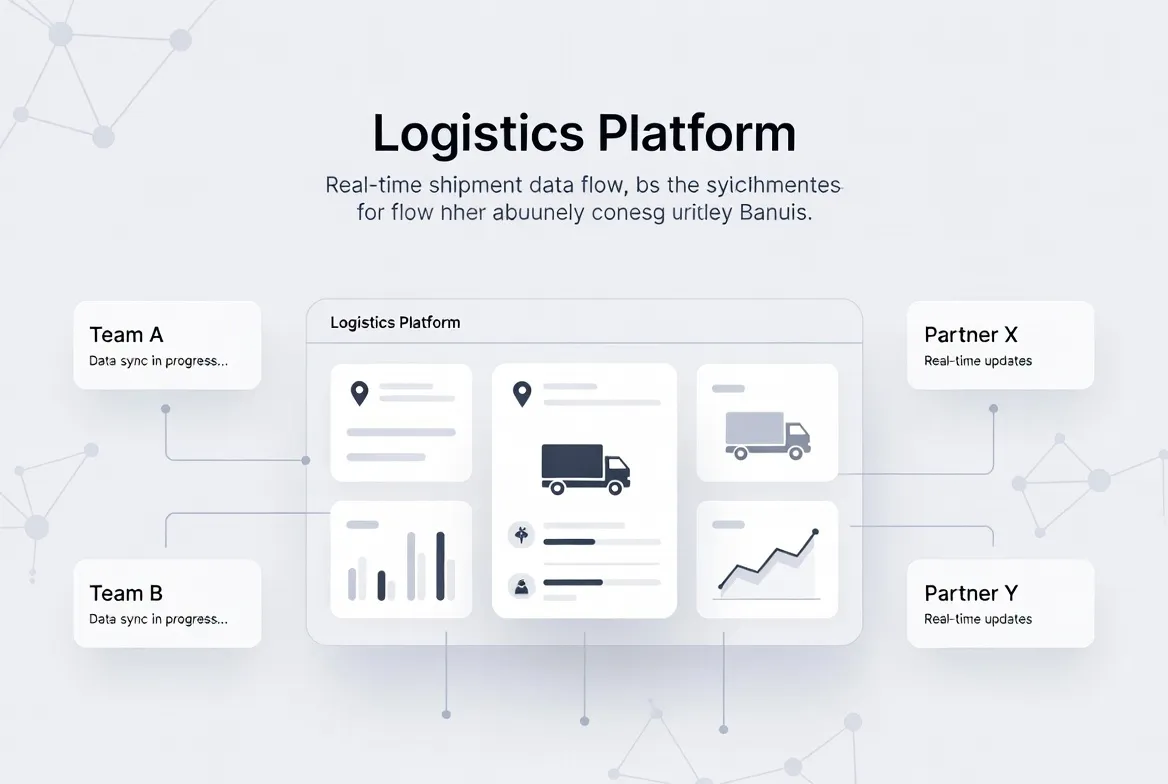
7. Cross-Functional Collaboration
Profitability calculation involves multiple roles:
Operations teams input shipment data
Finance teams validate costs and revenue
Sales teams define pricing structures
External partners provide cost inputs
A unified platform enables collaboration across all stakeholders, ensuring data consistency.
Key Features / Key Capabilities
Logistics platforms offer several capabilities to support accurate profitability calculation:
Shipment-Level P&L Tracking
Real-time profit calculation for each shipmentAutomated Cost and Revenue Capture
Reduces manual data entry and errorsMilestone-Based Updates
Aligns financial data with shipment progressMulti-Currency Support
Handles global financial operations seamlesslyIntegrated Financial Workflows
Connects billing, invoicing, and reconciliationUnified Visibility
Combines operational and financial data in one timelineException Alerts
Identifies shipments with abnormal or negative margins
Benefits for Logistics Companies
Real-Time Margin Visibility
Companies can monitor profitability throughout the shipment lifecycle.
Improved Pricing Strategies
Data-driven insights enable more competitive and profitable pricing.
Reduced Financial Risk
Early identification of cost overruns prevents unexpected losses.
Enhanced Operational Efficiency
Automation reduces manual calculations and reconciliation efforts.
Better Customer and Route Analysis
Companies can identify high-value customers and profitable trade lanes.
Best Practices / Use Cases
1. Pre-Shipment Profit Estimation
Estimate profitability before confirming bookings to ensure viable pricing.
2. Continuous Margin Monitoring
Track profitability in real time as shipments progress.
3. Post-Shipment Analysis
Analyze completed shipments to identify trends and improvement areas.
4. Integration with Pricing Systems
Ensure pricing data flows seamlessly into profitability calculations.
5. Exception-Based Management
Focus on shipments with low or negative margins for corrective action.
Conclusion
Logistics platforms transform shipment profitability calculation from a manual, delayed process into a real-time, automated capability. By integrating operational and financial data, these systems provide accurate and actionable insights that help logistics companies optimize performance and maintain healthy margins.
In an increasingly competitive and complex logistics landscape, the ability to track and analyze profitability at the shipment level is essential for sustainable growth.
Frequently Asked Questions
What is shipment profitability in logistics?
Shipment profitability is the financial result of a logistics transaction, calculated by subtracting total costs from total revenue for a shipment.
How do logistics platforms calculate profitability?
They aggregate cost and revenue data at the shipment level, apply pricing rules, and update calculations dynamically as shipments progress.
Why is shipment profitability important?
It helps logistics companies understand margins, optimize pricing, and identify cost inefficiencies.
What are the benefits of real-time profitability tracking?
Real-time tracking enables proactive decision-making, reduces financial risk, and improves operational efficiency.
About WallTech
WallTech provides digital solutions that help logistics companies manage both operations and financial performance within a unified system. By enabling end-to-end collaboration across multiple roles and connecting upstream and downstream partners, WallTech ensures that shipment data and financial data are always aligned. Its platforms offer real-time visibility through milestone-based tracking, while supporting automation in areas such as cost capture, billing, and reconciliation. This integrated approach allows logistics providers to calculate shipment profitability more accurately and efficiently, supporting scalable and data-driven growth.
If you're exploring ways to improve your logistics operations, feel free to connect with us to learn more about our solutions and system capabilities.