

Feb 28,2025
EU ICS2 Compliance Guide: Top Misconceptions & Pitfalls to Avoid
Introduction
Freight operations involve multiple processes, stakeholders, and transportation stages. Without standardized workflows, logistics teams often face inconsistencies, inefficiencies, and increased operational risks. Freight workflow standardization helps organizations establish consistent processes, improve coordination, and enhance overall operational performance.
What is freight workflow standardization?
Freight workflow standardization refers to defining and implementing consistent operational processes across all freight activities.
These workflows typically include:
Order creation and validation
Shipment planning and execution
Documentation and compliance
Tracking and coordination
Billing and financial processes
Standardization ensures that each shipment follows a structured and repeatable process.
Why freight workflow standardization is important
Without standardized workflows:
Processes vary across teams and regions
Manual errors increase
Communication gaps occur
Operational efficiency decreases
As logistics operations scale, these issues become more pronounced.
Standardization helps companies:
Improve consistency across operations
Reduce errors and delays
Enhance collaboration between teams
Enable automation and system integration
It is a foundational step toward digital transformation in logistics.
Best practices for managing freight workflow standardization
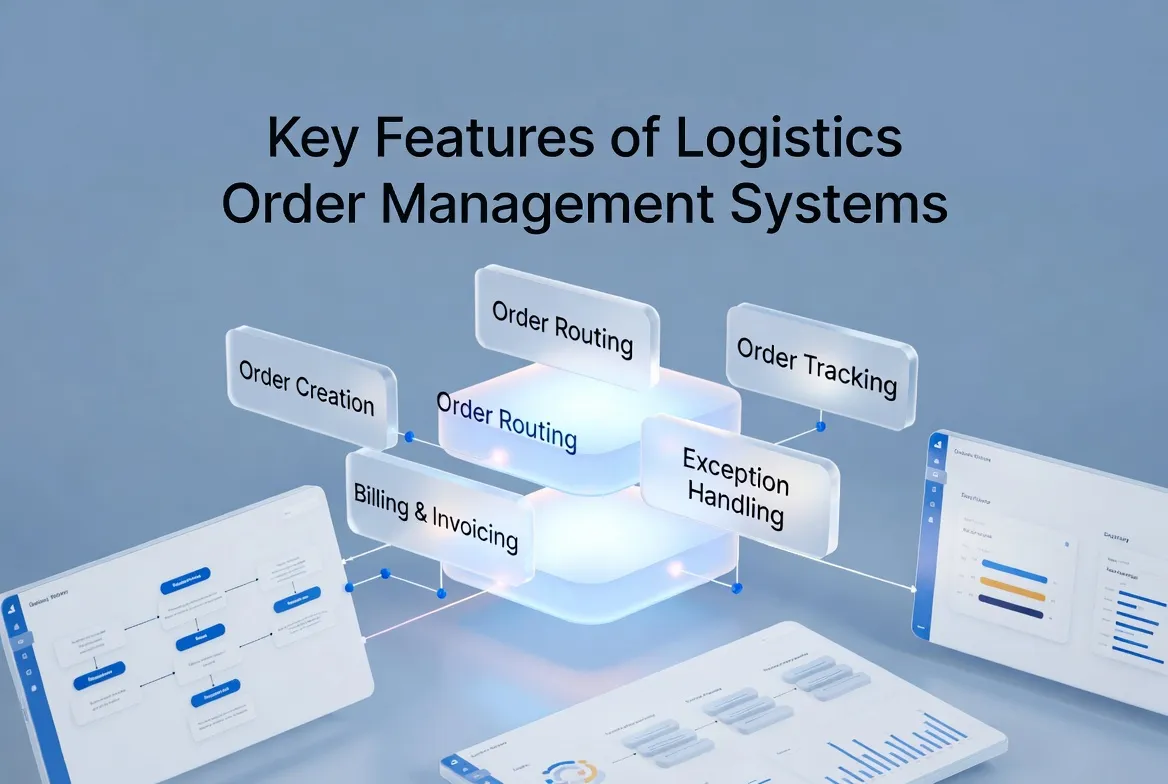
1. Define end-to-end workflow structures
Organizations should clearly map the full freight lifecycle:
Order creation
Shipment execution
Transportation management
Tracking and delivery
Financial settlement
Each stage should have defined steps, roles, and responsibilities.
2. Establish standard operating procedures (SOPs)
SOPs provide detailed instructions for each workflow stage.
Best practices include:
Defining required actions for each process
Assigning responsibilities to specific roles
Ensuring consistency across regions and teams
Structured SOPs help maintain operational discipline and reduce variability.
3. Centralize workflow management within a system
Managing workflows across multiple systems leads to fragmentation.
A centralized platform allows:
All stakeholders to work within the same workflow
Real-time updates and data synchronization
Consistent process execution
For example, systems that allow multiple roles to create and manage orders within one platform ensure unified workflow execution.
4. Standardize data structures and formats
Data consistency is critical for workflow standardization.
Best practices include:
Defining standard data fields for orders and shipments
Ensuring consistent data formats across systems
Eliminating duplicate or conflicting data entries
This enables accurate reporting and system integration.
5. Integrate systems and partners
Freight workflows often involve multiple systems:
ERP
WMS
Carrier systems
Financial systems
Integration ensures seamless data flow and reduces manual work.
Modern platforms can connect multiple external systems and synchronize data across workflows.
6. Implement workflow automation
Standardized workflows provide the foundation for automation.
Automation can:
Trigger tasks based on predefined rules
Execute processes without manual intervention
Ensure consistent execution across all shipments
This improves efficiency and scalability.
7. Enable real-time tracking and visibility
Visibility supports workflow control and monitoring.
Best practices include:
Tracking shipment milestones in real time
Providing centralized dashboards
Ensuring all stakeholders access the same data
This helps identify issues early and maintain operational control.
8. Establish exception handling processes
Standard workflows should include procedures for handling disruptions.
Key practices:
Define rules for detecting abnormal events
Assign responsibility for issue resolution
Implement escalation workflows
This ensures that exceptions are managed efficiently.
9. Align operational workflows with financial processes
Freight workflows should be connected to financial management.
Best practices include:
Linking shipment data with billing and cost tracking
Automating financial processes where possible
Ensuring transparency in profit and cost analysis
This provides a complete view of operational performance.
Benefits of freight workflow standardization
Companies that implement standardized workflows can achieve:
Improved operational consistency
Reduced errors and delays
Higher efficiency and productivity
Better collaboration across teams and partners
Enhanced scalability for growing operations
Standardization also enables easier adoption of automation and digital systems.
How modern logistics platforms support workflow standardization
Modern logistics platforms provide tools to define, manage, and enforce standardized workflows.
They:
Centralize operations within a single system
Enable multi-role collaboration
Support workflow configuration and automation
Provide real-time visibility and control
By embedding standardized workflows into digital systems, companies can ensure consistent execution across all logistics operations.
Conclusion
Freight workflow standardization is essential for improving efficiency and reliability in logistics operations. By defining structured processes, aligning systems, and enabling automation, companies can reduce complexity and enhance performance.
As logistics operations continue to scale globally, standardized workflows will serve as the foundation for efficient, data-driven, and automated logistics management.
.webp "How Logistics Platforms Enable Centralized Customer and Partner Management")