


Feb 17,2023
Saas Basis Transportation Management System
Introduction
Freight systems improve efficiency through automation by replacing manual, fragmented logistics processes with structured, system-driven workflows that execute tasks automatically based on predefined rules and real-time data. By integrating workflow automation, AI-powered data processing, and end-to-end visibility, these systems streamline operations, reduce delays, and enable faster, more accurate execution across the entire shipment lifecycle.
For freight forwarders, 3PL providers, and cross-border eCommerce logistics companies, efficiency is critical. Automation allows them to manage higher shipment volumes, reduce operational costs, and maintain service quality in increasingly complex global supply chains.
What is Automation in Freight Systems?
Automation in freight systems refers to the use of digital platforms to manage logistics operations with minimal human intervention. It involves automating repetitive, rule-based tasks and coordinating workflows across different operational stages.
Key areas of automation include:
Shipment order processing
Documentation and data entry
Task assignment and workflow execution
Shipment tracking and status updates
Billing, invoicing, and reconciliation
Communication with partners and customers
Instead of relying on manual processes, freight systems create a unified operational environment where activities are executed automatically and consistently.
Why Automation Improves Efficiency
Manual freight operations often suffer from inefficiencies such as:
Repetitive data entry across multiple systems
Delayed communication between teams and partners
Lack of real-time shipment visibility
Inconsistent processes across different offices
Time-consuming financial reconciliation
Automation improves efficiency by addressing these pain points:
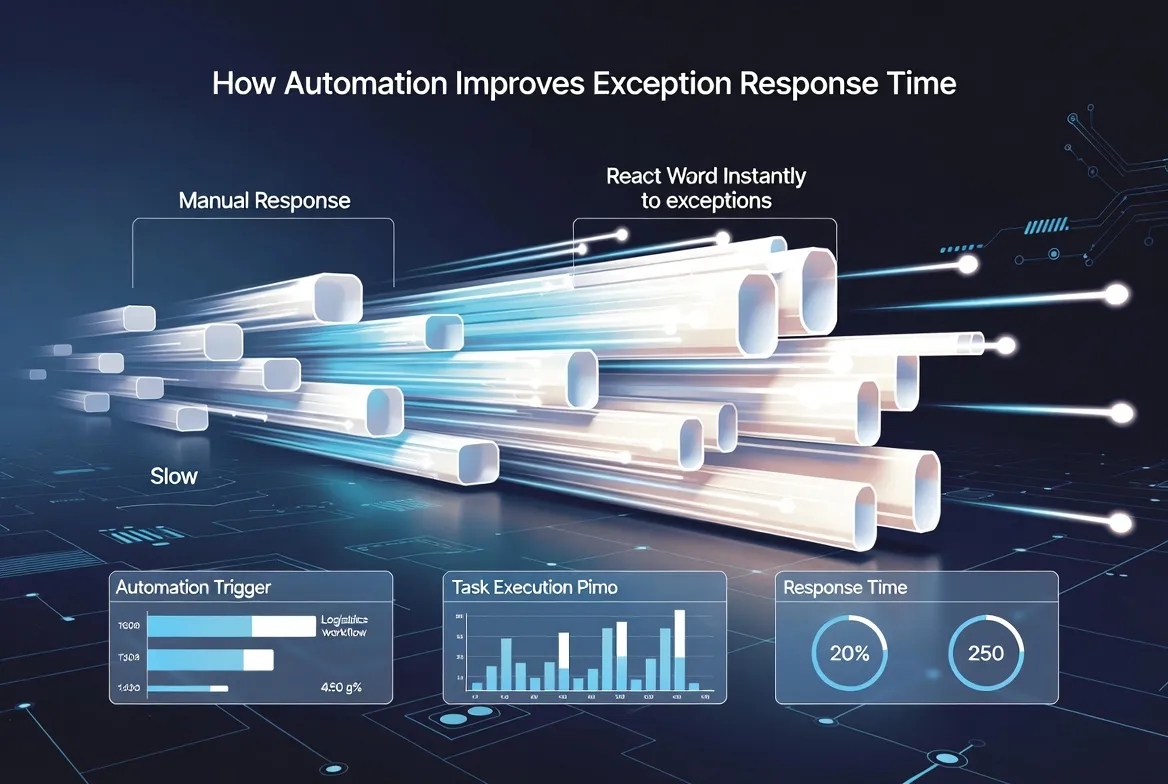
Speed: Tasks are executed instantly once triggered
Consistency: Standardized workflows reduce variability
Accuracy: Reduced human error in data handling
Visibility: Real-time tracking improves decision-making
Coordination: Seamless collaboration across stakeholders
These improvements collectively enhance operational performance and service delivery.
How Freight Systems Improve Efficiency Through Automation
Freight systems achieve efficiency gains by combining multiple automation mechanisms.
1. Workflow Standardization and Automation
Freight systems use configurable workflows to:
Define each step in the shipment lifecycle
Automatically assign tasks to relevant roles
Trigger next actions based on completed milestones
This ensures that operations follow a consistent structure and reduces delays caused by manual handovers.
2. AI-Driven Data Processing
AI technologies extract and process data from logistics documents:
Shipping instructions
Bills of lading
Commercial invoices
This eliminates repetitive manual data entry and accelerates document handling.
3. Real-Time Visibility and Milestone Tracking
Freight systems provide:
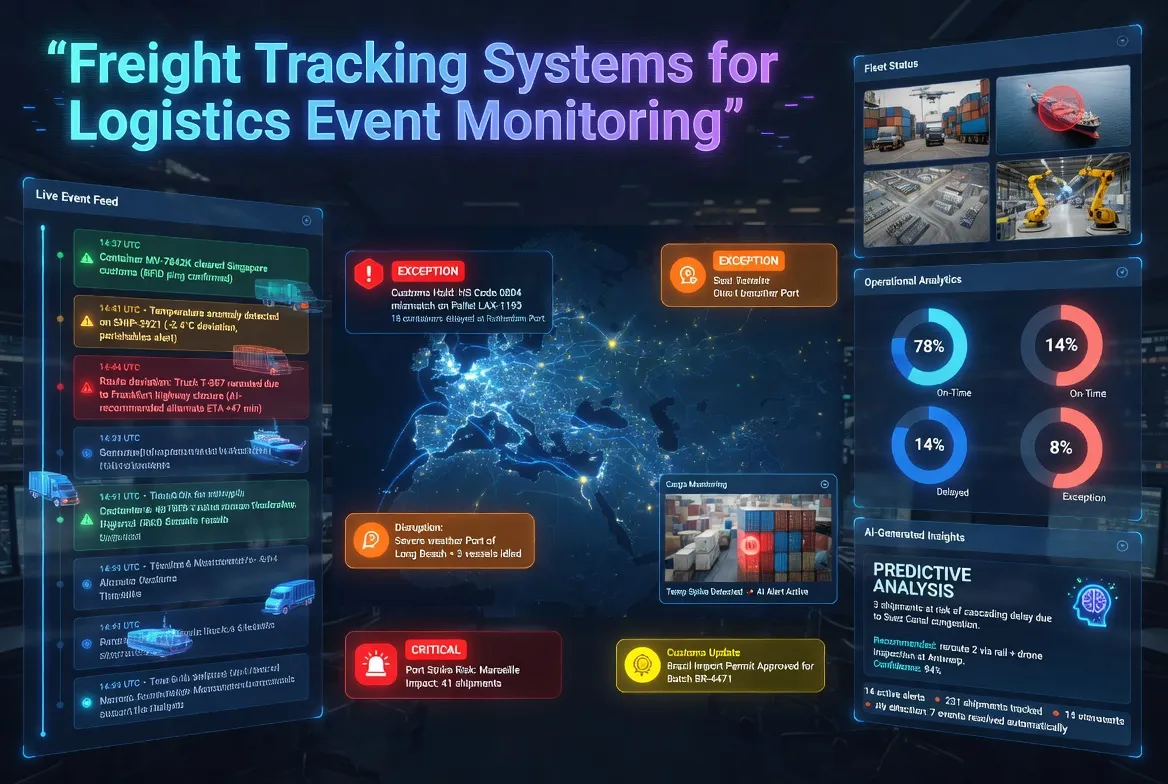
End-to-end shipment tracking
Milestone-based updates across all transportation stages
A unified timeline accessible to all stakeholders
This reduces time spent on manual tracking and enables proactive issue management.
4. Integrated Multi-Role Collaboration
Automation platforms connect:
Sales teams
Operations teams
Finance departments
External partners (carriers, warehouses, agents)
All stakeholders work within the same system, enabling:
Faster communication
Reduced coordination delays
Improved operational alignment
5. Automated Financial Processes
Freight systems streamline financial operations:
Automatic cost calculation based on rate rules
Invoice generation triggered by workflow milestones
Accounts receivable and payable management
Automated reconciliation with supplier data
This reduces manual workload and shortens financial cycles.
6. System Integration and Data Synchronization
Freight systems integrate with:
ERP systems
WMS platforms
Carrier systems
eCommerce platforms
Through API and EDI connections, data flows automatically across systems, eliminating duplicate entry and improving consistency.
Key Features / Key Capabilities
Freight systems that improve efficiency through automation typically include:
Configurable workflow engines for process automation
AI-based document recognition for data extraction
End-to-end shipment visibility with milestone tracking
Multi-role collaboration tools for internal and external coordination
Automated billing and reconciliation systems
API/EDI integration capabilities for external connectivity
Real-time dashboards and analytics
These capabilities enable efficient, scalable logistics operations.
Benefits for Logistics Companies
1. Faster Operations
Reduced processing time for shipments
Faster document handling and approvals
2. Lower Operational Costs
Reduced reliance on manual labor
More efficient resource utilization
3. Improved Accuracy
Fewer errors in data entry and calculations
Consistent execution of processes
4. Enhanced Visibility
Real-time insights into shipment status
Better monitoring of operational performance
5. Greater Scalability
Ability to handle increased shipment volumes without adding proportional resources
Best Practices / Use Cases
1. Freight Forwarders
Automate booking, documentation, and coordination with global agents
Standardize workflows across different regions
2. 3PL Providers
Manage multi-client operations efficiently
Automate billing and reporting processes
3. Cross-Border eCommerce Logistics
Process high volumes of orders quickly
Provide real-time tracking updates to customers
4. Multi-Modal Logistics Operations
Coordinate air, sea, land, and last-mile delivery within one system
Track multi-leg shipments through unified milestones
Conclusion
Freight systems improve efficiency through automation by transforming manual, disconnected processes into integrated, system-driven workflows. By leveraging AI, workflow automation, and real-time visibility, logistics companies can significantly enhance operational performance, reduce costs, and deliver more reliable services.
In an increasingly competitive logistics landscape, automation is a key driver of efficiency and long-term growth.
Frequently Asked Questions
What does automation mean in freight systems?
Automation in freight systems refers to using digital platforms to manage logistics operations with minimal manual intervention, including workflows, data processing, and financial tasks.
How do freight systems improve efficiency?
They improve efficiency by automating repetitive tasks, standardizing workflows, enabling real-time visibility, and integrating data across systems.
Why is automation important for logistics companies?
Automation reduces errors, speeds up operations, improves collaboration, and allows companies to scale efficiently as shipment volumes grow.
What are the benefits of automated freight systems?
Benefits include faster processing, lower costs, improved accuracy, better visibility, and enhanced operational scalability.
About WallTech
WallTech provides digital logistics solutions designed to help freight forwarders, 3PL providers, and cross-border eCommerce logistics companies improve efficiency through automation. Its platforms enable end-to-end logistics collaboration, connecting multiple roles and stakeholders across the supply chain within a unified system. With real-time shipment visibility supported by milestone-based tracking, along with workflow automation and financial automation capabilities such as automated billing and reconciliation, WallTech supports logistics companies in optimizing operations and scaling effectively in complex global environments.
If you're exploring ways to improve your logistics operations, feel free to connect with us to learn more about our solutions and system capabilities.
.webp "Key Features of Freight Documentation Platforms")