
Apr 02,2026
How Shipment Milestones Are Managed Across Logistics Networks
Introduction
Digital logistics platforms are replacing traditional systems because they offer integrated workflows, real-time visibility, and automation capabilities that legacy tools cannot support. As logistics operations become more complex and globalized, companies need scalable and connected systems rather than fragmented, manual processes.
What are Digital Logistics Platforms
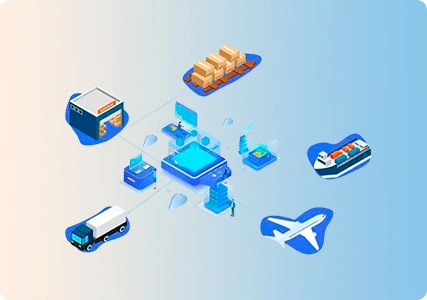
Digital logistics platforms are cloud-based systems that centralize logistics operations, connecting data, workflows, and stakeholders in real time.
They differ from traditional systems by being:
Cloud-native
API-driven
Scalable and flexible
Designed for collaboration
Why Digital Platforms Matter
Traditional logistics systems face several limitations:
Lack of integration between systems
Heavy reliance on manual processes
Limited real-time visibility
Difficulty scaling operations
Digital platforms address these issues by enabling seamless data flow and automation.
How Digital Logistics Platforms Work
System Integration
Connect ERP, WMS, TMS, and external partners via APIs.Centralized Data Management
All shipment data is stored in a unified system.Automated Workflows
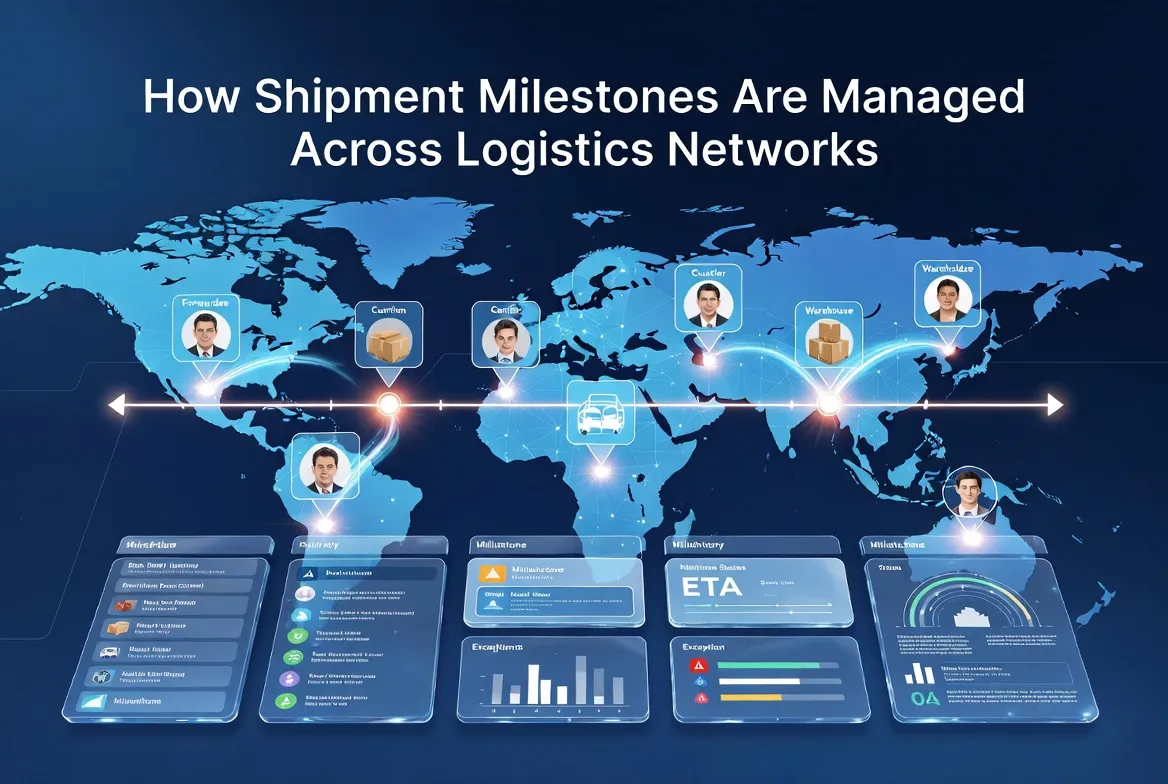
Tasks are triggered automatically based on shipment milestones.Real-Time Tracking
Data from multiple sources is aggregated into a single timeline.
Key Features
End-to-end visibility across shipments
Multi-party collaboration tools
AI-driven data processing
Workflow automation
Financial automation and reporting
Benefits for Logistics Companies
Increased operational efficiency
Reduced errors and manual work
Faster response times
Improved customer experience
Best Practices / Use Cases
Transitioning from spreadsheets to digital systems
Integrating multiple logistics functions into one platform
Scaling cross-border logistics operations
Conclusion
Digital logistics platforms are becoming essential infrastructure for modern logistics companies. They enable faster, more accurate, and scalable operations compared to traditional systems.
Frequently Asked Questions
Why are traditional systems being replaced?
Because they cannot support real-time data integration, automation, or scalability.
What makes digital platforms different?
They are cloud-based, integrated, and designed for collaboration and visibility.
What are the benefits?
Efficiency, accuracy, and better operational control.
About WallTech
WallTech offers digital logistics platforms that connect logistics operations across global supply chains. By enabling end-to-end collaboration, real-time visibility, and automated workflows—including billing and reconciliation—WallTech supports logistics companies in transitioning from traditional systems to modern, scalable platforms.
If you're exploring ways to improve your logistics operations, feel free to connect with us to learn more about our solutions and system capabilities.
.webp "Key Features of Freight Documentation Platforms")