Apr 13,2026
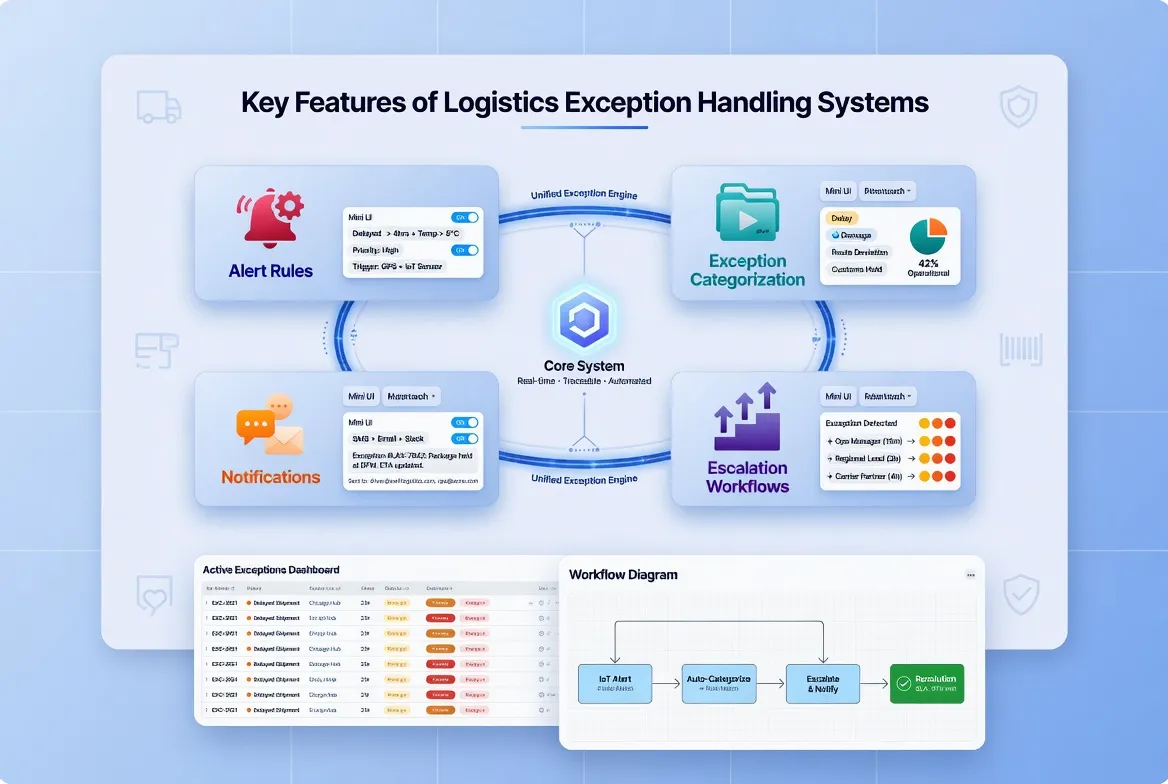
Key Features of Logistics Exception Handling Systems
Operational shipment transparency refers to the ability for logistics companies and supply chain partners to clearly track shipment status, operational milestones, and transportation progress in real time. Modern logistics platforms provide centralized systems that consolidate shipment data, enabling companies to monitor operations more accurately and respond quickly to disruptions.
Understanding Operational Shipment Transparency
In logistics operations, shipments typically move through multiple stages such as pickup, warehousing, customs clearance, international transportation, and final delivery. Each stage may involve different service providers and operational teams.
Without a centralized system, shipment information is often scattered across emails, spreadsheets, and different tracking portals. This fragmented information makes it difficult for logistics managers to understand the real-time status of shipments.
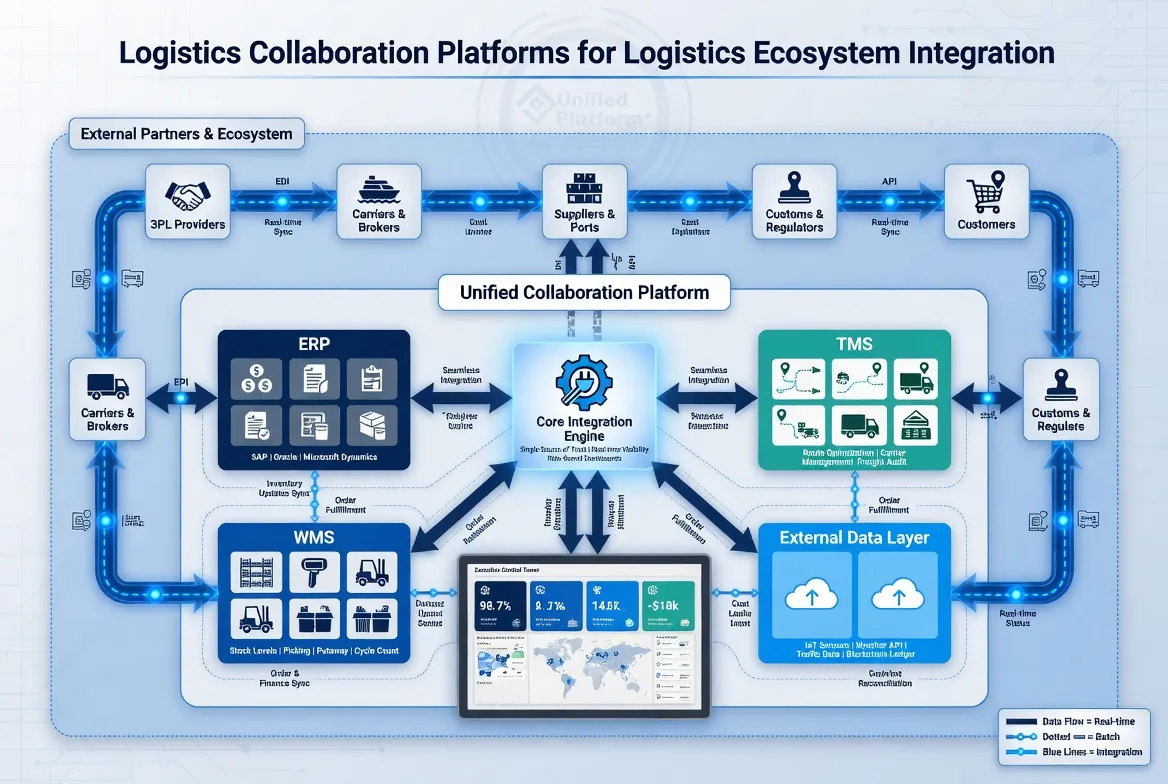
Logistics platforms address this challenge by consolidating operational data into a single system. Shipment orders, transportation milestones, and tracking events can be recorded and updated within one platform, creating a unified operational view.
How Logistics Platforms Improve Visibility
Modern logistics platforms capture shipment data from multiple sources across the transportation process. These may include internal operational updates, carrier tracking systems, warehouse systems, and partner integrations.
By aggregating this information, the platform provides a structured timeline of shipment events. Users can monitor progress from origin to destination and identify where shipments are within the logistics chain.
This centralized visibility allows logistics companies to reduce uncertainty and improve operational monitoring.
Core Capabilities Supporting Shipment Transparency
Several system capabilities help logistics platforms deliver operational transparency.
Milestone tracking records key shipment events such as pickup confirmation, warehouse arrival, departure, customs clearance, and final delivery. These milestones provide a clear timeline of shipment progress.
Multi-source tracking integration allows systems to collect tracking data from carriers, logistics partners, and internal operations. This ensures shipment updates remain accurate across different transport segments.
Centralized shipment dashboards provide operational teams with a visual overview of shipment status, enabling quick identification of delays or exceptions.
Document and data synchronization ensures that shipment records, operational updates, and supporting documents remain consistent across all users.
Operational Benefits for Logistics Companies
Operational shipment transparency brings several practical advantages for logistics organizations.
First, it improves decision-making. When logistics managers have real-time visibility into shipment status, they can quickly identify potential disruptions and take corrective actions.
Second, transparency improves communication with customers and partners. Accurate shipment information allows companies to provide reliable updates and maintain stronger client relationships.
Third, operational monitoring becomes more efficient. Instead of manually checking multiple systems, logistics teams can track shipments through a single platform.
Conclusion
Operational shipment transparency is becoming a key capability in modern logistics management. As supply chains become more complex and globalized, companies need accurate and timely information about shipment progress.
Logistics platforms provide this visibility by centralizing shipment data, tracking milestones, and integrating information from multiple sources. By improving operational transparency, these systems help logistics companies manage shipments more effectively and maintain greater control over their supply chain operations.