


May 12,2026
Why Is Shipment Visibility Important for Supply Chains?
Introduction
Logistics system integration refers to the ability to connect different operational, financial, and data systems into a unified workflow. In modern logistics environments, companies often rely on multiple platforms such as ERP, WMS, carrier systems, and customer portals. Without integration, data becomes fragmented and operational efficiency decreases.
What is logistics system integration?
Logistics system integration is the process of connecting multiple logistics-related systems so that data can flow seamlessly across different functions and stakeholders.
It typically involves linking:
Order management systems
Transportation and shipment systems
Warehouse management systems
Financial and billing platforms
External partner and carrier systems
The goal is to ensure that all systems operate on consistent, synchronized data.
Why logistics system integration is important
Modern logistics operations are highly interconnected. Without integration:
Data must be entered manually across systems
Shipment visibility becomes inconsistent
Errors and delays increase
Decision-making is based on incomplete information
Integrated systems allow companies to:
Maintain a single source of truth
Improve operational coordination
Reduce manual workload
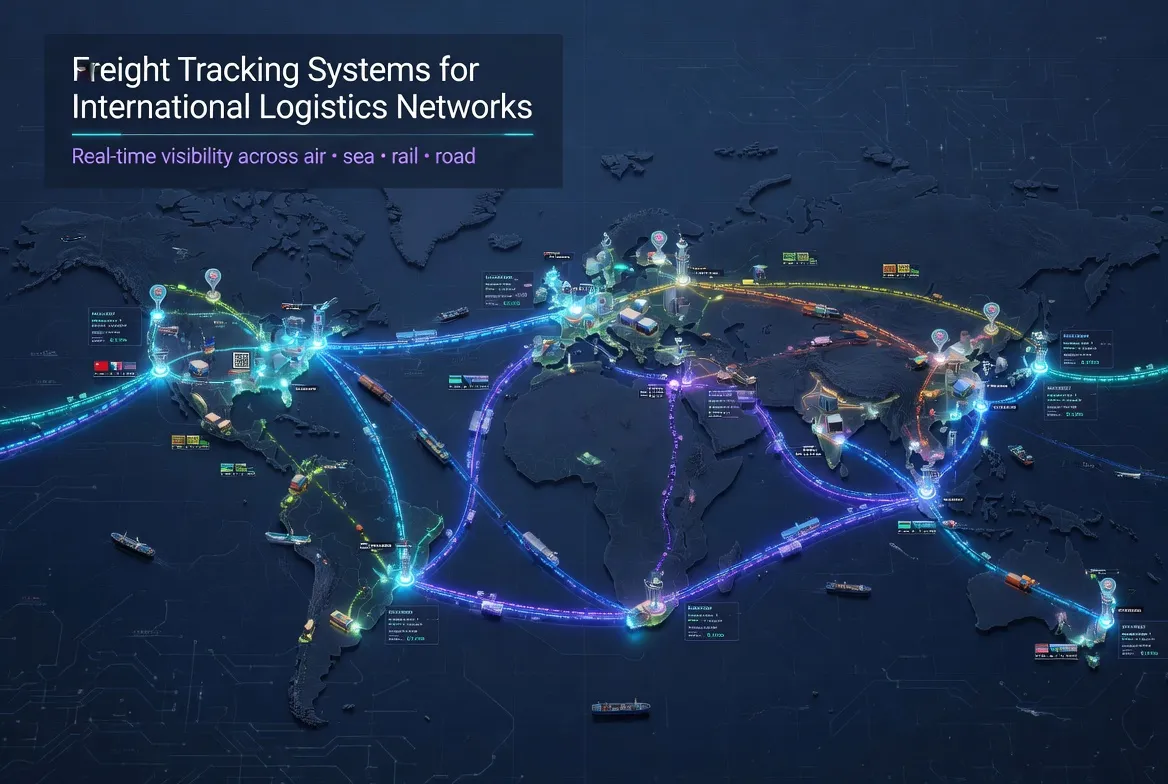
Enable real-time tracking and reporting
As supply chains become more global, integration is no longer optional but essential.
How logistics platforms enable system integration
Modern logistics platforms act as a central hub that connects different systems and standardizes data exchange.
1. API-based connectivity
Application Programming Interfaces (APIs) allow systems to communicate in real time. Logistics platforms use APIs to connect with:
ERP systems for order data
Carrier systems for tracking updates
Warehouse systems for inventory status
2. Data normalization
Different systems use different data formats. Platforms standardize this data into a unified structure, ensuring consistency across workflows.
3. Event-driven data synchronization
When a shipment status changes, the update is automatically reflected across all connected systems, eliminating delays and duplication.
4. Centralized workflow management
Instead of managing processes in separate systems, logistics platforms consolidate operations into a single workflow, improving coordination across teams.
Key features of integrated logistics platforms
Modern logistics integration platforms typically include:
Multi-system data integration capabilities
Real-time shipment and order synchronization
Centralized dashboards for operational visibility
Automated data exchange with partners
Configurable workflows across departments
These features allow companies to manage complex logistics operations more efficiently.
Benefits of using integrated logistics systems
Companies that implement logistics system integration can achieve:
Improved operational efficiency
Reduced manual data entry and errors
Enhanced visibility across the supply chain
Faster response to disruptions
Better collaboration with partners and customers
Integration also supports scalability, allowing logistics operations to grow without increasing system complexity.
How modern logistics platforms support integration in practice
Modern digital logistics platforms are designed to function as integration layers across the supply chain.
They can connect internal systems such as ERP and finance tools with external systems including carriers, overseas warehouses, and service providers. This creates a unified operational environment where all stakeholders access the same data.
By enabling seamless data flow and coordinated workflows, logistics platforms transform fragmented systems into connected, efficient operations.
Conclusion
Logistics system integration is a foundational capability for modern supply chains. As logistics networks become more complex, companies need platforms that can connect systems, standardize data, and enable real-time collaboration.
Integrated logistics platforms not only improve operational efficiency but also provide the visibility and control required to manage global logistics effectively.
.webp "How Digital Logistics Platforms Manage Shipment Milestones and Operational Timelines")