

Mar 24,2026
The Role of Logistics Process Automation in Modern Logistics
Introduction
Shipping document workflows are at the core of logistics operations, supporting everything from booking and customs clearance to delivery and financial settlement.
However, many logistics companies still rely on manual processes, fragmented systems, and email-based communication, leading to delays, errors, and compliance risks.
Implementing structured and optimized document workflows is essential for improving efficiency, accuracy, and scalability in modern logistics environments.
What are Shipping Document Workflows
Shipping document workflows refer to the end-to-end processes involved in creating, processing, approving, and distributing logistics-related documents.
These workflows typically include:
Shipping instructions
Bills of lading and air waybills
Commercial invoices and packing lists
Customs and compliance documents
Financial and settlement documents
A well-designed workflow ensures that documents move through each stage efficiently and are always accurate and accessible.
Why Shipping Document Workflows are Important
1. Ensuring Operational Continuity
Documents are required at every stage of a shipment. Delays or errors can disrupt the entire logistics process.
2. Reducing Manual Workload
Manual document handling is time-consuming and prone to errors, especially in high-volume operations.
3. Supporting Regulatory Compliance
International logistics requires strict documentation standards. Structured workflows help ensure compliance.
4. Improving Collaboration
Multiple stakeholders need access to documents. Efficient workflows enable seamless sharing and coordination.
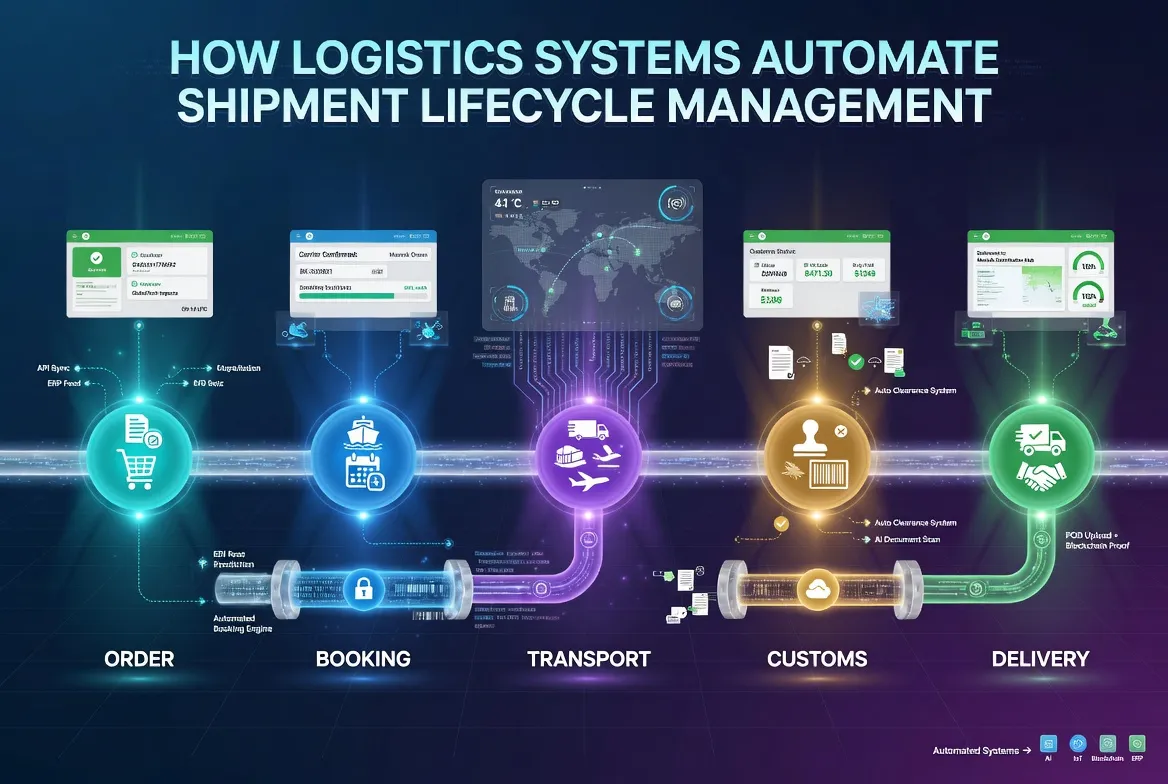
How Shipping Document Workflows Work
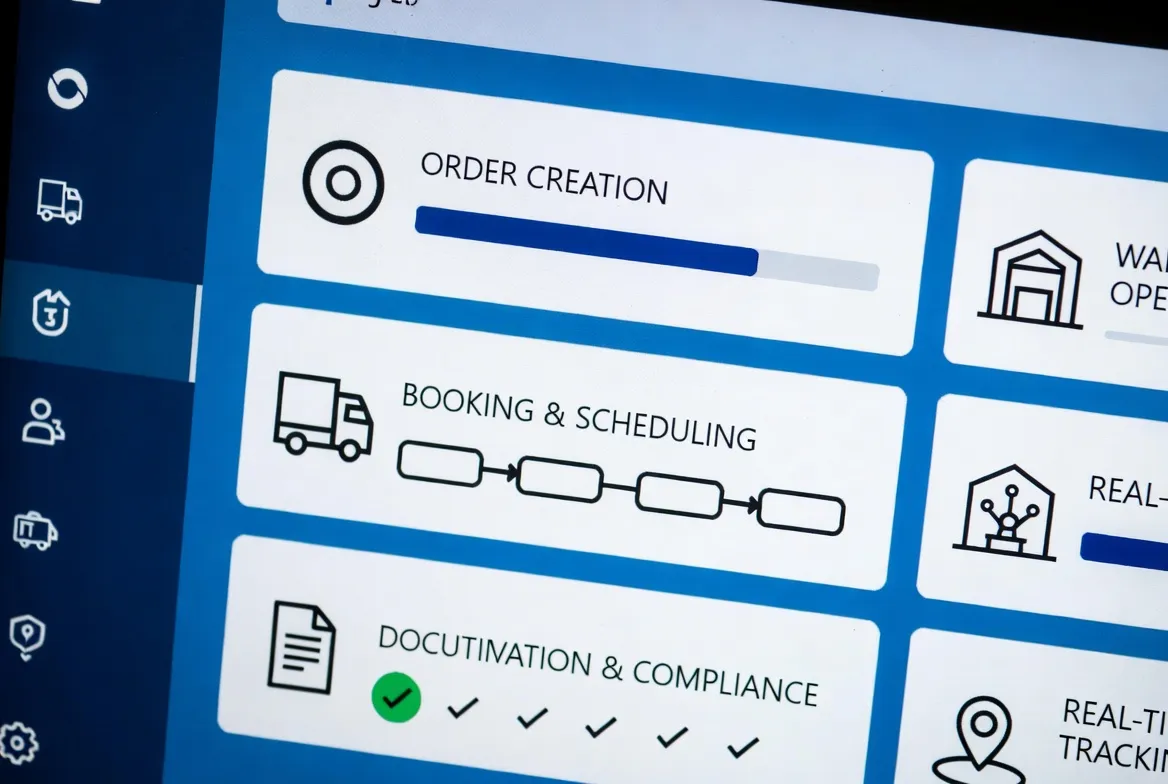
1. Document Creation and Data Capture
Shipment data is entered once and used to generate all required documents, reducing duplication and errors.
2. Template-Based Generation
Standardized templates ensure consistency across different document types and business scenarios.
Systems support custom document templates and export capabilities, enabling efficient and standardized document creation .
3. Workflow Automation and Routing
Documents follow predefined workflows, including:
Draft creation
Internal review
Approval
Release and sharing
Automation ensures that each step is completed in the correct sequence.
4. Real-Time Collaboration and Sharing
Documents are shared instantly with internal teams and external partners, reducing communication delays.
5. Tracking and Audit Management
Every document action is recorded, enabling traceability and accountability throughout the workflow.
Key Best Practices for Managing Shipping Document Workflows
1. Centralize Document Management
Store all documents in a unified system linked to shipment records to eliminate data silos.
2. Standardize Templates and Formats
Use consistent document templates to ensure accuracy and reduce rework across different operations.
3. Automate Repetitive Tasks
Automate document generation, approval routing, and data entry to improve efficiency.
4. Integrate with Operational Systems
Connect document workflows with order management, tracking, and financial systems for real-time data synchronization.
5. Implement Role-Based Access Control
Define user permissions to ensure secure and controlled access to sensitive documents.
6. Enable Real-Time Visibility
Provide stakeholders with instant access to document status and updates.
7. Maintain Audit Trails
Track all document changes and actions to support compliance and accountability.
8. Regularly Review and Optimize Workflows
Continuously analyze workflow performance and refine processes to improve efficiency.
Benefits of Optimized Shipping Document Workflows
1. Faster Processing Times
Automation and standardization reduce delays in document handling.
2. Improved Accuracy and Consistency
Data-driven workflows minimize manual errors and inconsistencies.
3. Enhanced Compliance
Structured processes ensure that all required documents meet regulatory standards.
4. Better Collaboration Across Stakeholders
Real-time sharing improves coordination between teams and partners.
5. Scalable Operations
Efficient workflows support business growth without increasing operational complexity.
Conclusion
Managing shipping document workflows effectively is essential for modern logistics operations.
By centralizing, standardizing, and automating document processes, companies can significantly improve efficiency, accuracy, and compliance.
As logistics networks continue to expand, adopting best practices in document workflow management will be critical for maintaining operational excellence and competitive advantage.
_20260311111434.webp "How Modern Platforms Enable Freight Workflow Management")