Mar 19,2026
Key Features of Supply Chain Data Connectivity Platforms
Introduction
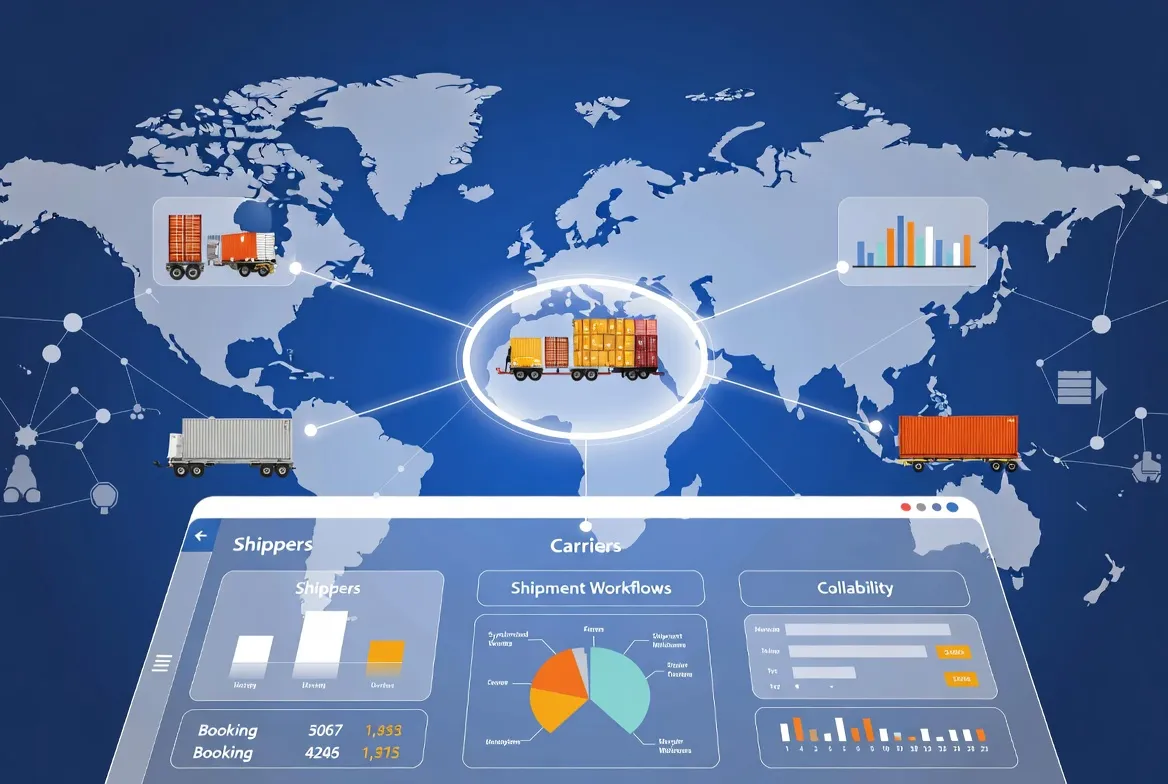
Digital platforms that manage global freight operations include freight forwarding management systems, logistics SaaS platforms, and integrated supply chain visibility solutions. These platforms enable companies to coordinate shipments, manage multi-party collaboration, track global freight movements, and automate operational and financial workflows within a unified system.
In global logistics, operations span multiple countries, time zones, and stakeholders. Without a centralized digital platform, companies often struggle with fragmented systems, poor visibility, and inefficient coordination. Modern digital freight platforms solve these challenges by connecting data, processes, and people across the entire logistics network.
What is a Digital Freight Operations Platform?
A digital freight operations platform is a cloud-based system designed to manage and optimize the end-to-end lifecycle of international freight operations.
It typically includes:
Shipment and order management
Multi-modal transport coordination (sea, air, land)
Real-time tracking and visibility
Documentation and compliance management
Financial processes such as billing and reconciliation
Unlike traditional standalone tools, these platforms provide a holistic, integrated environment where all operational activities are managed in one place.
They are widely used by:
Freight forwarders
Third-party logistics (3PL) providers
Cross-border eCommerce logistics companies
Why Digital Freight Platforms Matter
Global freight operations are inherently complex due to:
Long supply chains with multiple handoffs
Diverse stakeholders (carriers, agents, customs, warehouses)
High dependency on accurate and timely information
Frequent disruptions and exceptions
Without a unified platform, companies often experience:
Data silos across departments and regions
Limited visibility into shipment status
Delayed communication with partners
Manual processes that increase operational risk
Digital freight platforms address these issues by:
Creating a single source of truth for all operational data
Providing real-time, end-to-end visibility
Enabling multi-role collaboration across global teams
Automating repetitive workflows and financial processes
These capabilities are essential for improving operational efficiency and maintaining service reliability.
How Digital Freight Platforms Work
Digital freight platforms integrate multiple functions into a centralized system that supports the entire freight lifecycle.
1. Data Integration
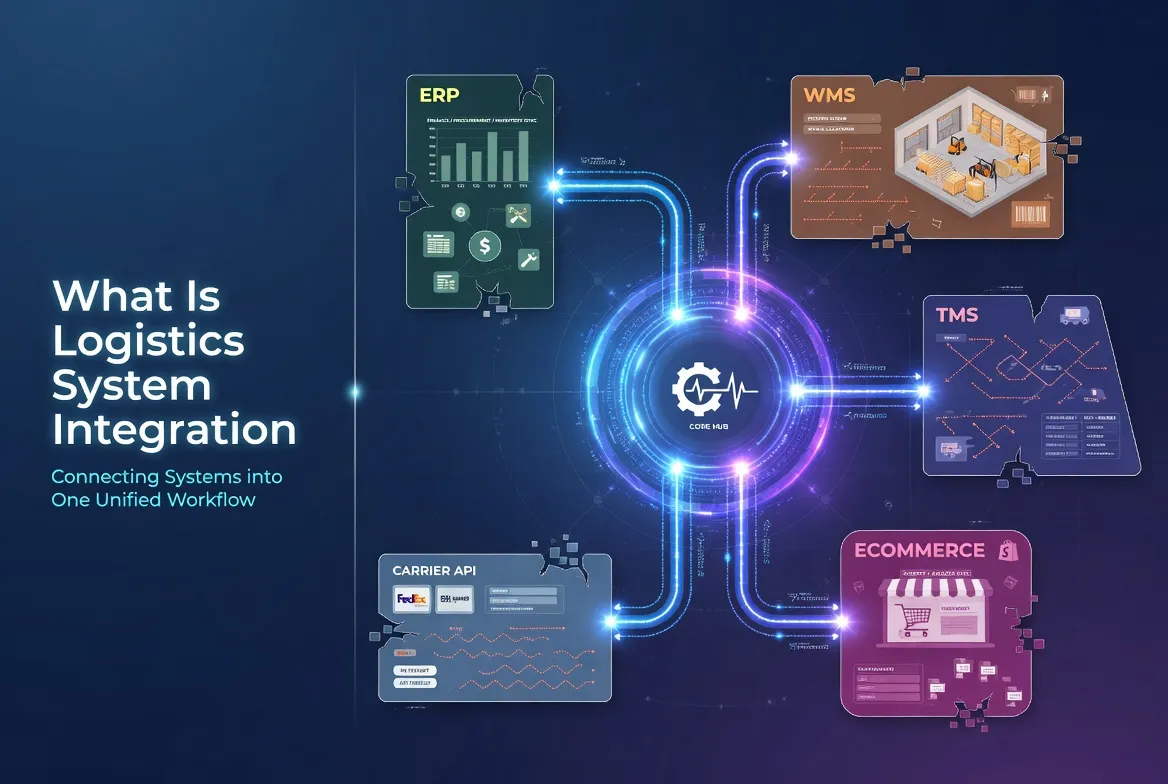
Connects with external systems such as ERP, WMS, carriers, and eCommerce platforms
Imports shipment data automatically via API or EDI
2. Order and Shipment Management
Centralizes shipment creation and booking
Manages transport planning across multiple modes
3. Operational Collaboration
Enables coordination between sales, operations, finance, and overseas agents
Assigns tasks and tracks progress across roles
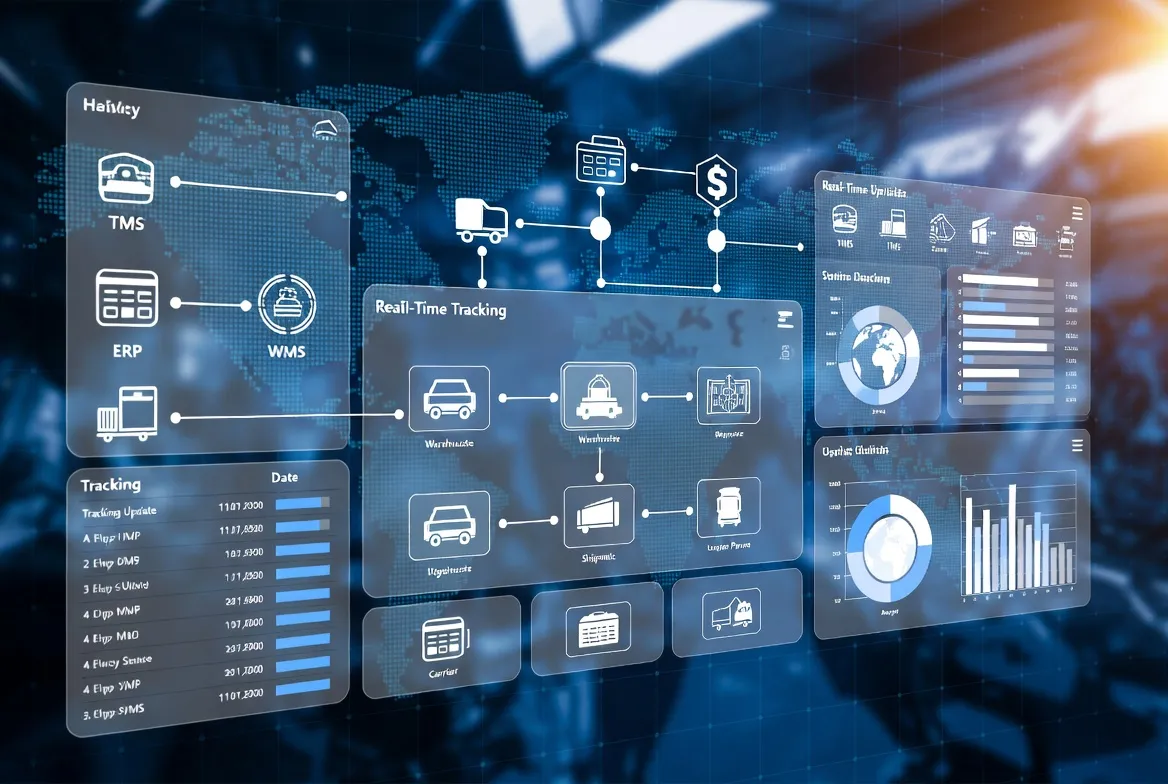
4. Real-Time Tracking and Visibility
Uses milestone-based tracking to monitor shipment progress
Displays a unified timeline for each shipment
5. Workflow Automation
Automates repetitive tasks such as status updates and document handling
Triggers alerts for delays or exceptions
6. Financial Management
Automates billing, invoicing, and reconciliation
Tracks costs and profitability per shipment
By integrating these processes, digital platforms reduce operational complexity and improve execution speed.
Key Capabilities of Digital Freight Platforms
1. End-to-End Visibility
Real-time tracking across all shipment stages
Milestone-based updates for consistent monitoring
2. Multi-Role Collaboration
Connects internal teams and external partners
Supports global operations across time zones
3. Workflow Automation
Automates operational tasks and exception handling
Reduces reliance on manual processes
4. Document Management
Centralized storage and sharing of shipping documents
AI-based data recognition for faster processing
5. Financial Automation
Automated billing and cost allocation
Real-time financial insights and reconciliation
6. System Integration
API/EDI connectivity with external systems
Seamless data flow across platforms
These capabilities enable logistics companies to operate more efficiently and respond quickly to changes.
Benefits for Logistics Companies
Improved Operational Efficiency
Streamlined workflows reduce manual workload
Faster execution of shipments and processes
Enhanced Visibility
Real-time insights into shipment status
Better control over operations and exceptions
Stronger Collaboration
Seamless coordination with global teams and partners
Reduced communication delays
Reduced Errors
Automated processes improve data accuracy
Standardized workflows minimize inconsistencies
Scalability
Supports business growth without increasing operational complexity
Enables expansion into new markets and services
For logistics companies operating globally, these benefits are critical for maintaining competitiveness.
Best Practices and Use Cases
Best Practices
Adopt a unified platform to centralize global operations
Integrate all relevant systems (ERP, WMS, carriers)
Standardize workflows and processes across regions
Leverage automation for repetitive tasks and financial processes
Implement milestone tracking for consistent visibility
Use Cases
Global Freight Forwarders
Managing multi-leg, multi-country shipments
Coordinating with overseas agents and carriers
3PL Providers
Handling complex logistics operations for multiple clients
Providing visibility and reporting services
Cross-border eCommerce Logistics
Managing high-volume shipments across global networks
Integrating with eCommerce platforms and fulfillment systems
In each case, digital platforms provide the foundation for efficient and scalable operations.
Conclusion
Digital platforms are essential for managing global freight operations in today’s complex logistics environment. By integrating shipment management, visibility, collaboration, and automation into a single system, these platforms enable logistics companies to operate more efficiently and effectively.
As global trade continues to expand, the adoption of advanced digital freight platforms will be a key factor in achieving operational excellence and long-term growth.
Frequently Asked Questions
What digital platforms manage global freight operations?
Digital platforms such as freight forwarding systems, TMS, and logistics SaaS solutions manage global freight operations by centralizing shipment management, tracking, and collaboration.
How do digital freight platforms work?
They integrate data from multiple systems, coordinate operational workflows, provide real-time tracking, and automate financial and documentation processes within a unified platform.
Why are digital platforms important in global logistics?
They improve visibility, enhance collaboration, reduce manual work, and enable better control over complex international operations.
What are the benefits of digital freight platforms?
Key benefits include improved efficiency, real-time visibility, better coordination, reduced errors, and scalability for growing logistics operations.
About WallTech
WallTech provides digital platforms designed to support global freight operations for logistics companies. Its solutions enable end-to-end collaboration across multiple stakeholders, offering real-time shipment visibility through milestone-based tracking and unified timelines. By integrating workflow automation and financial processes, WallTech helps organizations streamline operations, reduce manual effort, and improve scalability in complex international logistics environments.
If you're exploring ways to improve your logistics operations, feel free to connect with us to learn more about our solutions and system capabilities.