May 19,2026
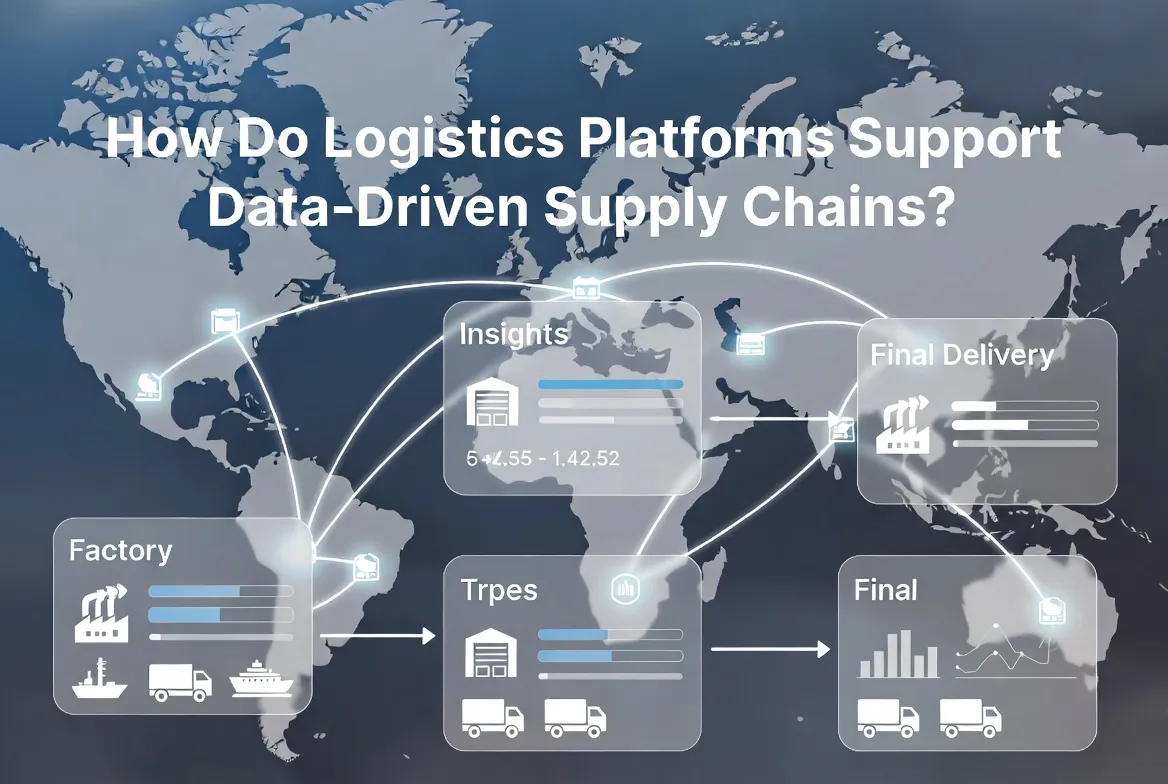
How Do Logistics Platforms Support Data-Driven Supply Chains?
Introduction
Digital logistics platforms for global logistics operations are integrated systems that enable logistics companies to manage, monitor, and optimize international freight activities across multiple regions, transport modes, and stakeholders. These platforms centralize operational workflows, provide real-time visibility, and support automation, allowing freight forwarders, 3PLs, and cross-border eCommerce logistics providers to operate efficiently at a global scale.
As logistics networks expand across borders, managing operations through disconnected systems becomes increasingly inefficient. Digital platforms provide the foundation for unified, scalable global logistics management.
What is a Digital Logistics Platform for Global Logistics Operations
A digital logistics platform for global logistics operations is a centralized, cloud-based system that connects all aspects of international logistics within a single operational environment.
It enables:
Management of multi-country shipments
Coordination across multiple transport modes (sea, air, land, express)
Integration with global partners and service providers
Real-time tracking and operational monitoring
Financial management across regions
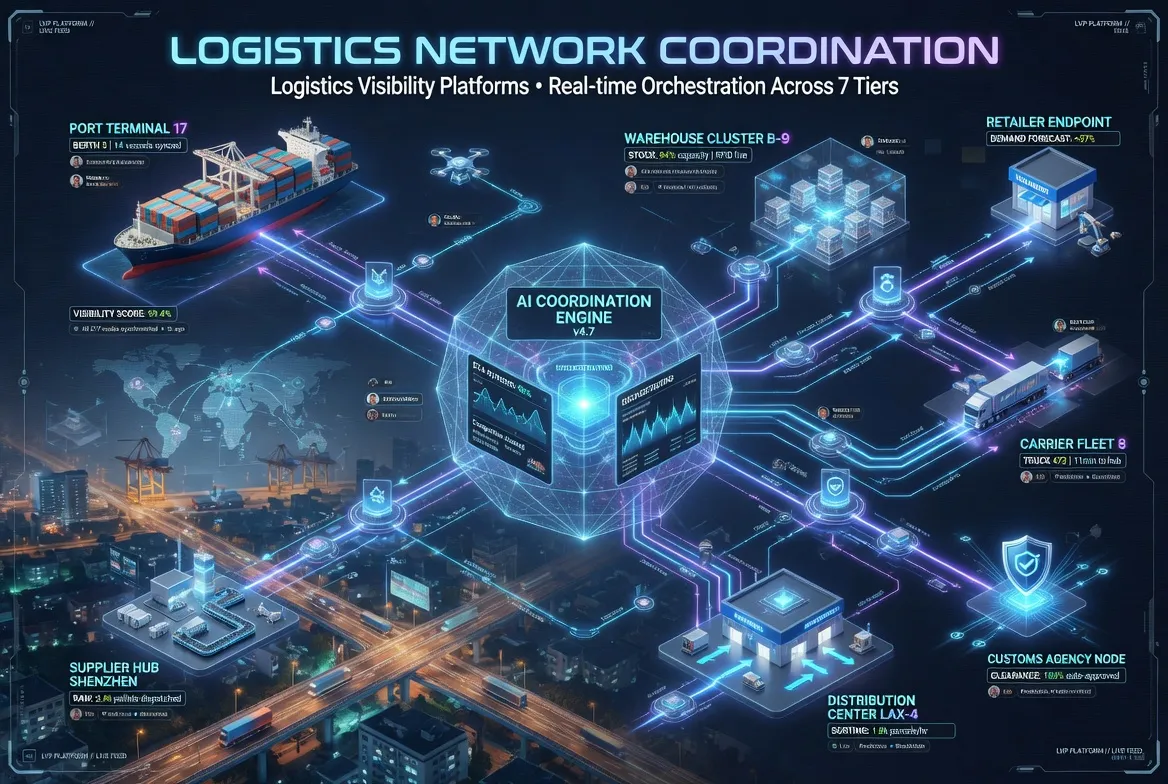
These platforms act as a global “control tower,” providing end-to-end oversight of logistics operations regardless of geographic complexity.
Why Digital Logistics Platforms Matter for Global Operations
Global logistics operations are inherently complex due to:
Multiple geographic regions and time zones
Diverse regulatory and compliance requirements
Multi-leg and multi-modal transport processes
Distributed teams and partner networks
Fragmented data across systems and regions
Without a unified system, companies face:
Lack of operational visibility
Inefficient coordination between global teams
Delays caused by miscommunication
Difficulty scaling operations internationally
Digital logistics platforms address these challenges by standardizing processes, integrating data, and enabling real-time coordination across global networks.
How Digital Logistics Platforms Support Global Logistics Operations
Digital logistics platforms manage global operations through integration, visibility, and automation.
1. Global Order Management
Orders from different regions are managed within one system:
Orders can be created manually, via templates, or through API integration
Data is standardized across regions and teams
Multiple roles can access and manage orders
2. Multi-Modal Transport Coordination
Global shipments often involve multiple transport modes:
Ocean freight
Air freight
Land transportation
Express delivery
The platform integrates all transport segments into a unified workflow, ensuring seamless coordination.
3. End-to-End Visibility
Shipments are tracked across all stages:
Pickup
Line-haul transport
Customs clearance
Final delivery
A unified timeline provides real-time updates for all stakeholders.
4. Cross-Region Collaboration
Global teams and partners collaborate within the same system:
Headquarters and overseas branches
Agents and service providers
Customers and end users
This ensures consistent communication and data sharing.
5. Automation Across Operations
Automation improves efficiency across global workflows:
AI-based document recognition reduces manual data entry
Workflow automation ensures consistent process execution
Automated billing and reconciliation streamline financial processes
6. Financial Management Integration
Global financial processes are managed within the platform:
Multi-currency billing and accounting
Automated invoice generation
Real-time profit tracking across regions
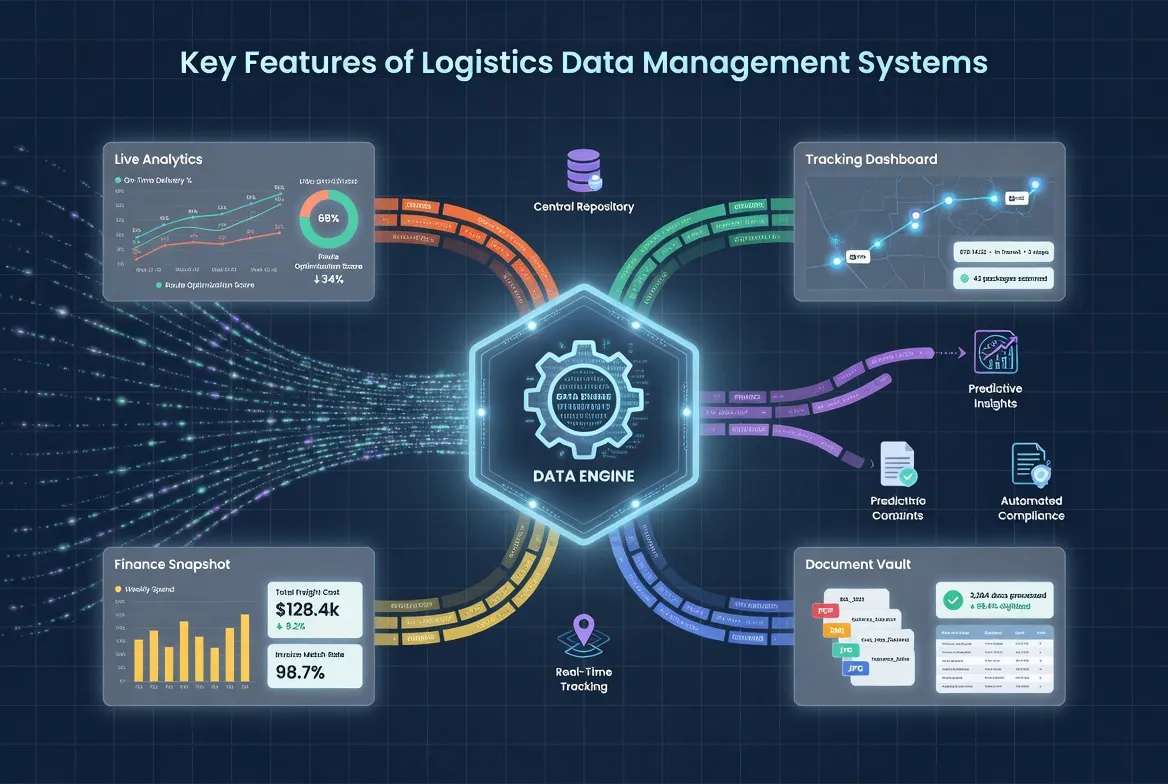
Key Features / Key Capabilities
Digital logistics platforms for global operations typically include:
1. Multi-Region Operation Management
Centralized control of operations across countries
Standardized workflows for global teams
2. Multi-Modal Shipment Management
Integration of sea, air, land, and express transport
Unified management of complex logistics scenarios
3. Real-Time Visibility
End-to-end tracking with milestone-based updates
Centralized monitoring dashboard
4. Multi-Role Collaboration
Coordination across internal teams and external partners
Shared access to operational data
5. Workflow and Process Automation
Automated task assignment and execution
Reduced manual intervention
6. Integrated Financial Management
Automated billing and reconciliation
Multi-currency support and profit analysis
These capabilities enable logistics companies to operate globally with greater efficiency and control.
Benefits for Logistics Companies
Unified Global Operations
Centralized management of all logistics activities
Consistent processes across regions
Improved Visibility and Control
Real-time insight into global shipments
Better management of delays and disruptions
Enhanced Collaboration
Seamless coordination between global teams and partners
Reduced communication gaps
Increased Efficiency
Automation of repetitive tasks
Faster processing of shipments and documents
Scalable International Growth
Ability to expand operations without increasing complexity
Support for growing shipment volumes
Best Practices / Use Cases
1. Global Freight Forwarders
Manage international shipments across multiple regions
Coordinate global agent networks
Monitor profitability and performance
2. 3PL and 4PL Providers
Orchestrate complex supply chain operations
Provide end-to-end services across regions
Optimize resource allocation
3. Cross-Border eCommerce Logistics
Handle high-volume international parcel shipments
Integrate with global eCommerce platforms
Manage last-mile delivery across countries
4. Multi-National Enterprises
Standardize logistics processes globally
Enable cross-region collaboration
Improve visibility into supply chain operations
Conclusion
Digital logistics platforms for global logistics operations are essential for managing the complexity of modern international supply chains. By integrating visibility, collaboration, and automation into a single system, these platforms enable logistics companies to operate efficiently across regions and scale their operations globally.
As global trade continues to grow, adopting a unified digital platform will be critical for maintaining competitiveness and operational excellence.
Frequently Asked Questions
What are global logistics operations?
Global logistics operations involve managing the movement of goods across multiple countries, transport modes, and stakeholders within the supply chain.
How do digital logistics platforms support global operations?
They centralize data, enable real-time tracking, integrate multiple systems, and automate workflows, ensuring efficient coordination across global networks.
Why are global logistics operations complex?
They involve multiple regions, partners, regulations, and transport modes, making coordination and visibility challenging without a unified system.
What are the benefits of digital logistics platforms for global operations?
Benefits include improved visibility, better coordination, increased efficiency, and scalable international growth.
Who needs global logistics platforms?
Freight forwarders, 3PL providers, cross-border eCommerce logistics companies, and multinational enterprises benefit from these platforms.
About WallTech
WallTech provides digital logistics platforms designed to support global logistics operations across complex supply chains. By enabling end-to-end collaboration between internal teams and external partners, the platform ensures seamless coordination across regions. With real-time shipment visibility, milestone-based tracking, and unified operational timelines, logistics companies can maintain full control over international shipments. In addition, workflow automation, AI-driven data processing, and integrated financial management help improve efficiency and scalability, allowing businesses to operate effectively in global markets.
If you're exploring ways to improve your logistics operations, feel free to connect with us to learn more about our solutions and system capabilities.