

Mar 30,2026
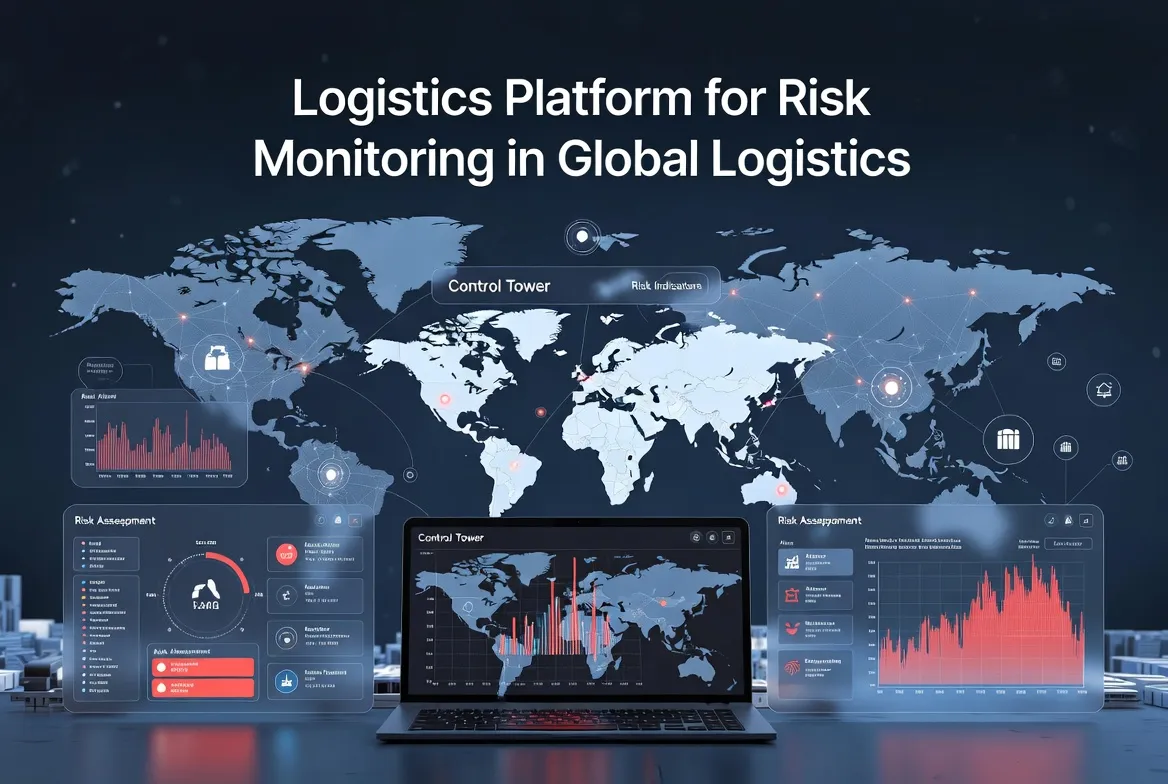
Logistics Platform for Risk Monitoring in Global Logistics
Shipment tracking has become a fundamental requirement in modern logistics operations. Businesses expect accurate and timely information about the location and status of their cargo throughout the transportation process. For logistics providers, the ability to monitor shipments effectively is essential for maintaining operational control and delivering reliable service.
Shipment tracking and monitoring systems provide the digital infrastructure needed to capture transportation events, monitor shipment progress, and identify potential disruptions across the supply chain.
Real-Time Shipment Visibility
One of the most important features of shipment tracking systems is real-time visibility. As cargo moves through various transportation stages—such as pickup, departure, transit, and arrival—tracking systems capture these operational events and display them within a unified interface.
Real-time updates allow logistics teams to understand the current status of shipments at any given moment. This visibility also enables customers to monitor their shipments without relying on manual status updates from logistics operators.
Integration with Multiple Tracking Sources
Logistics shipments often involve multiple transportation providers and service partners. Each partner may operate its own tracking system, which can make it difficult to obtain a complete view of shipment progress.
Modern tracking platforms integrate with multiple data sources, including carriers, shipping lines, ports, warehouses, and third-party tracking providers. By consolidating these tracking events into one system, logistics companies can present a unified timeline for each shipment.
This multi-source integration improves both operational visibility and tracking accuracy.
Automated Event Capture
Shipment monitoring systems automatically capture and record operational milestones throughout the transportation process. These milestones may include events such as cargo departure, arrival at transit locations, warehouse processing, or delivery confirmation.
Automated event capture reduces the need for manual updates and ensures that shipment records remain accurate and up to date. This capability is particularly important in large-scale logistics operations where hundreds or thousands of shipments may be active simultaneously.
Exception Detection and Alerts
Tracking systems are not only used to monitor shipment progress but also to detect potential disruptions.
When a shipment fails to reach an expected milestone within the planned timeframe, the system can flag the issue as a potential exception. Automated alerts may then notify relevant team members so that they can investigate and respond quickly.
This proactive monitoring helps logistics companies address problems before they escalate into larger operational issues.
Centralized Shipment Timeline
Shipment tracking systems organize operational events into a chronological timeline. Each milestone is recorded as part of the shipment’s journey from origin to destination.
This centralized timeline provides a clear overview of the shipment lifecycle. Logistics teams can review past events, understand current shipment status, and anticipate upcoming operational steps.
Having a structured timeline also improves transparency when communicating with customers and partners.
Customer Access to Tracking Information
Many logistics platforms provide customer portals or external access options that allow clients to track their shipments directly.
Through these interfaces, customers can view shipment status updates, tracking milestones, and estimated delivery information. Providing direct access to tracking data reduces the need for manual status inquiries and improves the customer experience.
Customers gain greater confidence in the logistics process when they have transparent access to shipment information.
Data Insights and Operational Analysis
Shipment tracking systems also generate valuable operational data. By analyzing tracking events across multiple shipments, logistics companies can identify patterns related to transit times, delays, or operational inefficiencies.
These insights help companies optimize transportation planning, improve service reliability, and make more informed operational decisions.
Supporting Reliable Logistics Operations
In modern supply chains, shipment tracking is no longer just a convenience—it is an essential operational capability. Businesses depend on accurate shipment information to manage inventory, plan production schedules, and coordinate distribution activities.
Shipment tracking and monitoring systems provide the visibility, automation, and data integration needed to support reliable logistics operations. By capturing transportation events and presenting them through structured digital platforms, these systems enable logistics providers to maintain control over complex shipment networks and deliver better service to their customers.

.webp "Best Practices for Managing Agent Collaboration")