

Jul 19,2022
Streamline the Shipping Process with Multi-Carrier Shipping Software
Introduction
A logistics platform for shipment monitoring and alerts is a digital system that provides real-time visibility into shipment progress and automatically notifies stakeholders when delays, disruptions, or anomalies occur. These platforms combine data integration, milestone-based tracking, and automated alert mechanisms to help logistics companies maintain control over complex, multi-party operations.
In today’s logistics landscape—where freight forwarders, 3PLs, and cross-border eCommerce providers manage high volumes of shipments across different transport modes—manual tracking is no longer sufficient. Shipment monitoring and alert systems are essential for ensuring timely delivery, reducing risks, and improving operational efficiency.
What is a Logistics Platform for Shipment Monitoring and Alerts
A logistics platform for shipment monitoring and alerts is a centralized system that:
Tracks shipment status across the entire lifecycle
Compares planned vs. actual shipment progress
Detects deviations or risks in real time
Sends automated alerts to relevant stakeholders
Unlike traditional tracking methods that rely on fragmented systems or manual updates, modern platforms provide a unified timeline view of all shipments, enabling consistent monitoring across air, sea, land, and last-mile delivery.
These platforms are particularly valuable for organizations managing complex supply chains with multiple partners and regions.
Why Shipment Monitoring and Alerts Matter
1. Increasing Operational Complexity
Global logistics operations involve multiple carriers, partners, and systems. Without centralized monitoring, it is difficult to maintain control.
2. Lack of Real-Time Visibility
Fragmented systems create blind spots, making it hard to track shipment status accurately.
3. High Risk of Delays and Disruptions
Without alerts, issues may go unnoticed until they impact delivery timelines or customer satisfaction.
4. Growing Customer Expectations
Customers expect real-time updates and proactive communication regarding their shipments.
5. Inefficient Manual Processes
Manual tracking and communication slow down operations and increase the risk of errors.
How Logistics Platforms Enable Shipment Monitoring and Alerts
Modern logistics platforms use a combination of data integration, tracking logic, and automation to deliver effective monitoring and alert capabilities.
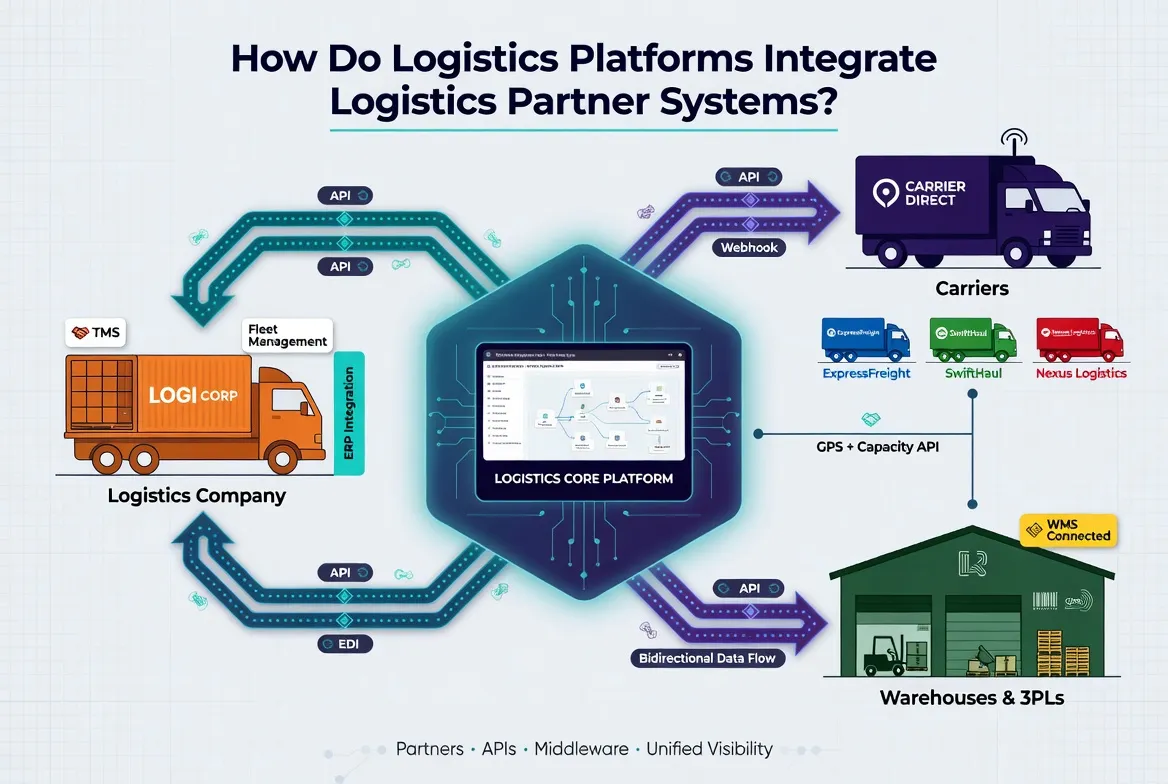
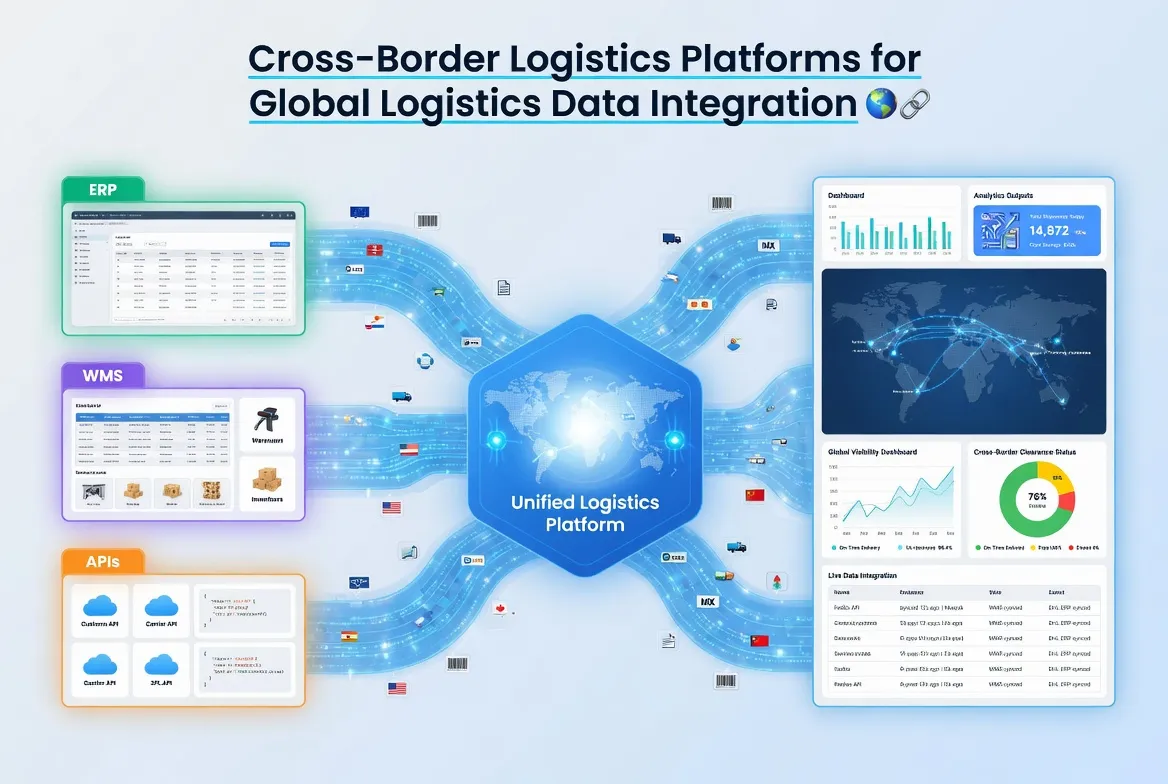
1. Centralized Data Integration
Shipment data is collected from multiple sources:
Carrier tracking systems
Warehouse and fulfillment systems
Customs and regulatory platforms
Internal logistics and financial systems
This ensures a complete and accurate view of shipment status.
2. Milestone-Based Tracking
Each shipment is mapped to predefined milestones, such as:
Booking confirmation
Pickup
Departure and arrival
Customs clearance
Final delivery
These milestones define the expected shipment timeline.
3. Real-Time Monitoring
The system continuously tracks shipment progress and compares actual events with planned milestones.
4. Automated Alert Generation
Alerts are triggered when:
A milestone is delayed or missed
Data inconsistencies are detected
External disruptions impact shipment flow
Alerts can be customized based on business rules and priorities.
5. Notification and Communication
Alerts are delivered through:
System dashboards
Email or messaging notifications
Customer portals for self-service tracking
This ensures that all stakeholders are informed in real time.
6. Workflow-Driven Response
Alerts are integrated with workflow automation:
Tasks are assigned to responsible teams
Escalation rules are triggered for unresolved issues
Actions and updates are tracked within the system
This ensures that alerts lead to effective resolution.
Key Features of Shipment Monitoring and Alert Platforms
End-to-end shipment visibility
Unified tracking across all transport modes within a single platformMilestone-based tracking
Structured monitoring of shipment progressConfigurable alert rules
Customizable thresholds for delays and anomaliesReal-time notifications
Immediate alerts for operational issuesMulti-role collaboration
Coordination between operations, customer service, documentation, and finance teamsWorkflow automation
Automated task assignment and escalation processesAI-powered data recognition
Automated extraction of shipment data from documents to reduce manual inputIntegrated financial monitoring
Detection of billing discrepancies and automated reconciliation
These features enable logistics companies to manage shipment monitoring and alerts at scale.
Benefits for Logistics Companies
Improved Visibility
Real-time tracking provides a clear view of shipment status across the entire supply chain.
Faster Issue Detection
Automated alerts ensure that problems are identified immediately.
Enhanced Operational Efficiency
Teams focus on resolving issues instead of manually tracking shipments.
Better Customer Experience
Proactive updates improve transparency and customer satisfaction.
Reduced Risk and Cost
Early detection minimizes delays, penalties, and operational inefficiencies.
Best Practices / Use Cases
Standardize Milestone Definitions
Ensure consistent tracking across all shipment types and regions.
Integrate All Data Sources
Avoid blind spots by connecting all relevant systems and partners.
Customize Alert Rules
Define thresholds based on business priorities and service level agreements.
Automate Workflows
Ensure alerts trigger actionable processes, not just notifications.
Enable Customer Self-Service
Provide visibility through customer portals for tracking and updates.
Common use cases include:
Monitoring international freight shipments across multiple transport modes
Managing delays in cross-border eCommerce logistics
Tracking customs clearance and compliance processes
Handling last-mile delivery disruptions
Conclusion
Shipment monitoring and alert systems are essential components of modern logistics platforms. They provide the visibility and automation needed to manage complex operations effectively.
By combining real-time tracking, automated alerts, and collaborative workflows, these platforms enable logistics companies to detect issues early, respond quickly, and maintain high service levels in an increasingly dynamic environment.
Frequently Asked Questions
What is a logistics platform for shipment monitoring?
It is a system that tracks shipment progress in real time and provides visibility across the entire logistics lifecycle.
How do alert systems work in logistics platforms?
They monitor shipment data, compare it with predefined rules, and trigger notifications when deviations or risks are detected.
Why are shipment monitoring systems important?
They improve visibility, enable proactive issue detection, enhance efficiency, and improve customer satisfaction.
What types of alerts are used in shipment monitoring?
Common alerts include delay notifications, milestone deviations, documentation issues, and compliance risks.
What are the benefits of using such platforms?
Benefits include faster issue resolution, improved operational efficiency, better visibility, and reduced risks.
About WallTech
WallTech provides digital logistics solutions that support freight forwarders, 3PLs, and cross-border logistics providers in managing shipment operations with greater visibility and control. Its platforms enable end-to-end logistics collaboration across multiple roles and partners, offering real-time shipment visibility through milestone-based tracking and unified timelines. By integrating workflow automation, AI-driven data recognition, and financial automation such as billing and reconciliation, WallTech helps logistics companies streamline shipment monitoring, improve responsiveness, and scale their operations more efficiently.
If you're exploring ways to improve your logistics operations, feel free to connect with us to learn more about our solutions and system capabilities.