Apr 28,2026
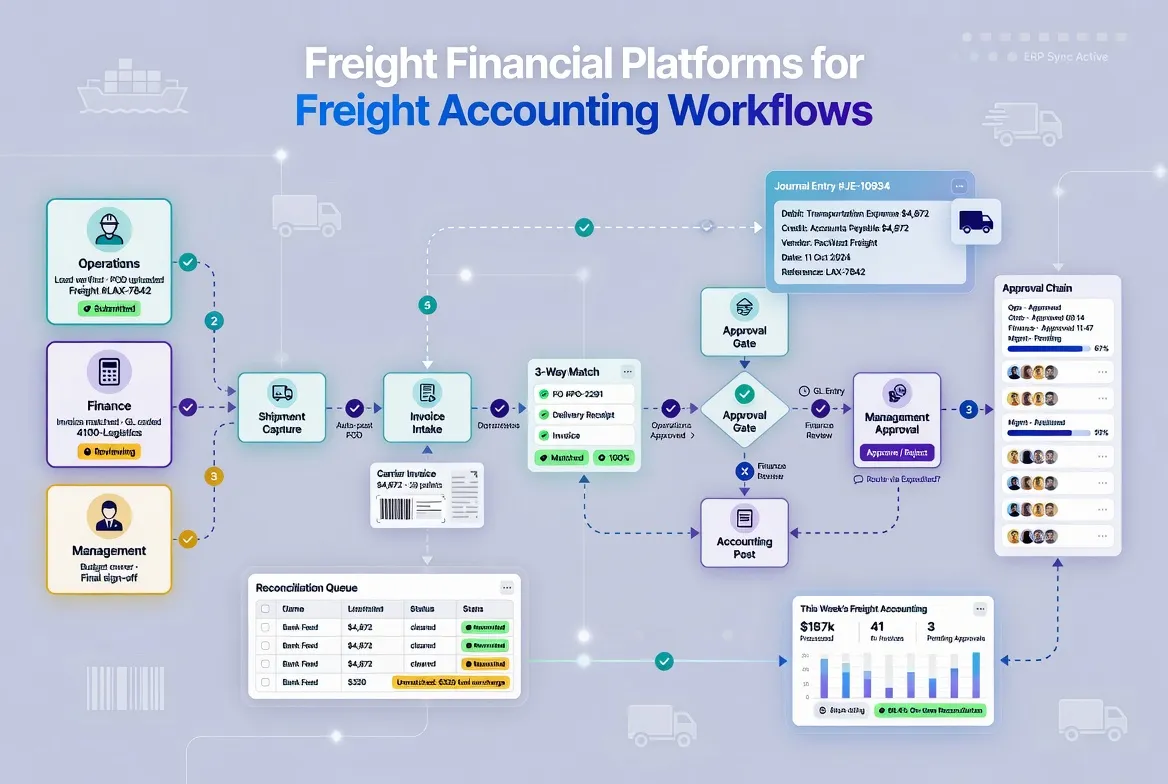
Freight Financial Platforms for Freight Accounting Workflows
Introduction
An end-to-end logistics management platform is a unified digital system that manages the entire logistics lifecycle—from order creation and booking to shipment execution, tracking, and financial settlement—within a single environment. It replaces fragmented tools with integrated workflows, enabling logistics companies to coordinate operations, partners, and data across global supply chains more efficiently.
What is an End-to-End Logistics Management Platform
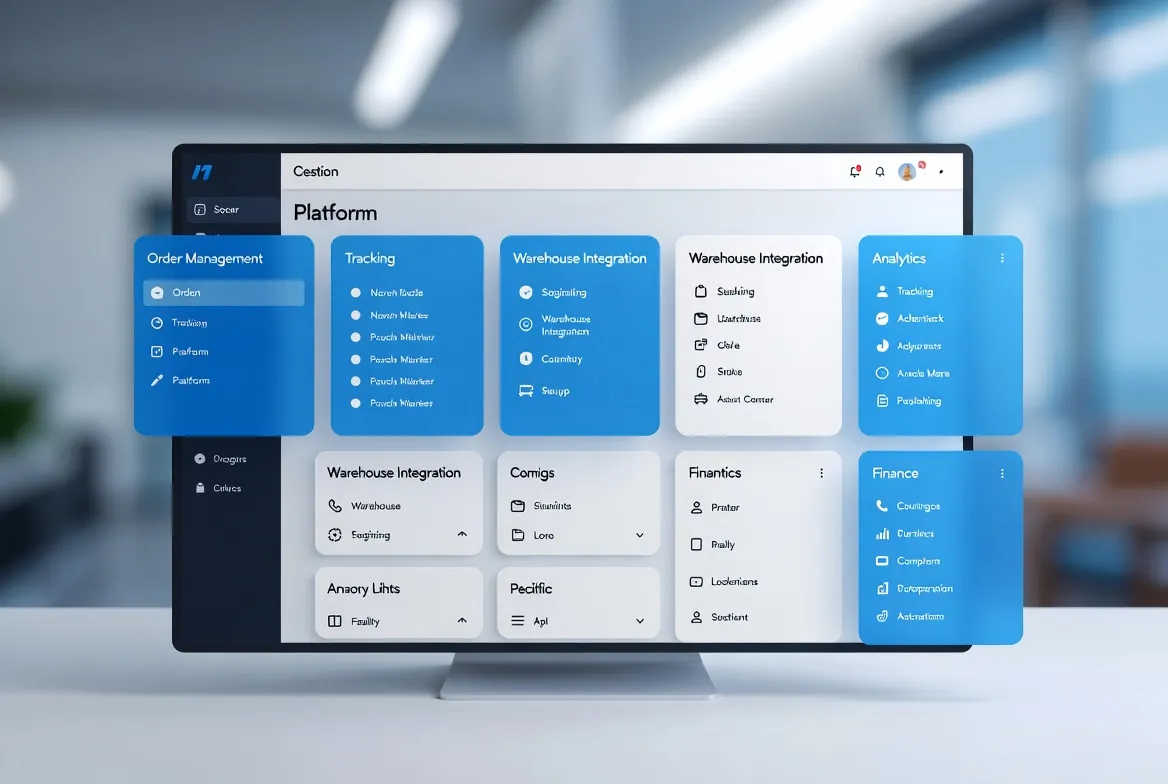
An end-to-end logistics platform is designed to centralize all logistics processes into one system. Instead of using separate tools for operations, tracking, finance, and communication, companies operate within a single connected platform.
It typically covers:
Order and shipment management
Multi-mode transportation coordination (air, sea, land)
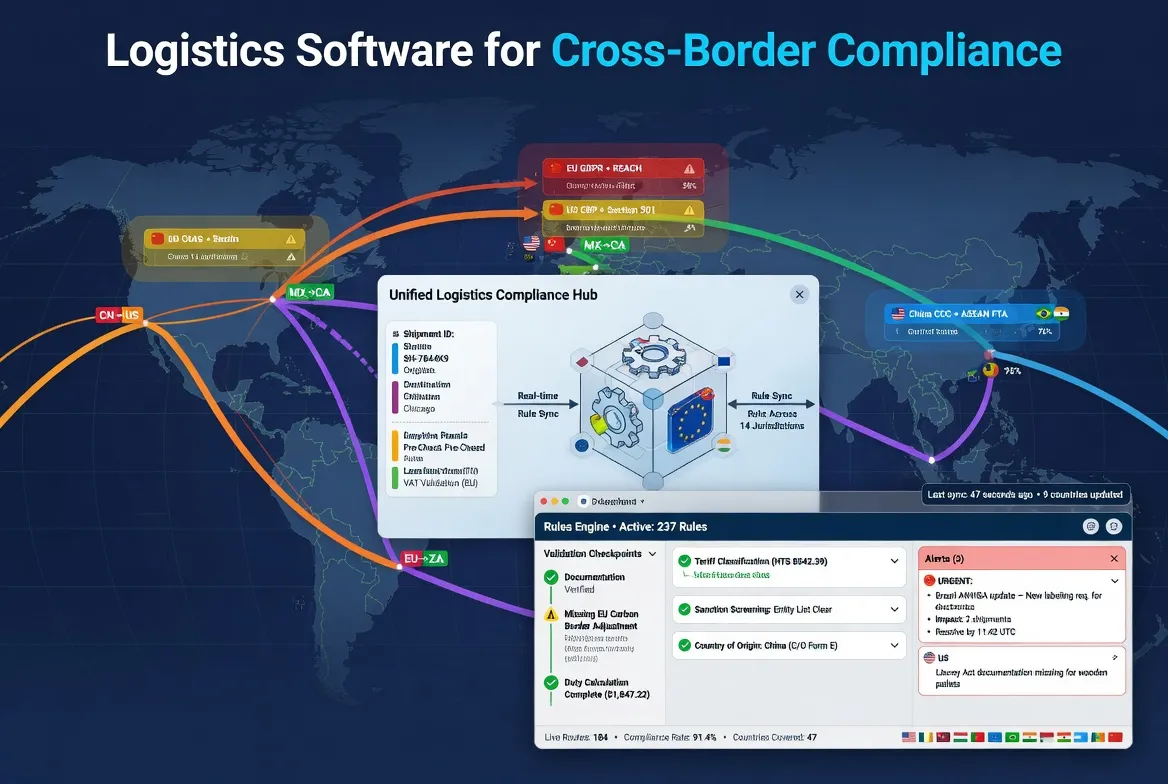
Document and compliance handling
Real-time tracking and milestone updates
Billing, invoicing, and financial reconciliation
Why End-to-End Logistics Platforms Matter
Traditional logistics operations often rely on disconnected systems, spreadsheets, and manual coordination. This creates:
Data silos across departments
Limited visibility into shipment status
Inefficient communication with partners
High risk of errors in pricing and billing
End-to-end platforms solve these issues by creating a single source of truth for all logistics activities.
How End-to-End Logistics Platforms Work
These platforms integrate multiple operational layers:
Order Creation & Input
Shipment data enters via manual entry, API integration, or document recognition.Workflow Execution
Tasks are automatically assigned across teams based on predefined SOPs.Collaboration Across Stakeholders
Internal teams, customers, and partners access shared shipment data.Tracking & Visibility
Milestone-based tracking provides real-time updates across transport stages.Financial Processing
Costs, revenues, and invoices are automatically generated and reconciled.
Key Features
Unified shipment timeline across all transport modes
Multi-role collaboration (operations, finance, sales)
Workflow automation and task assignment
AI-powered data recognition (OCR for documents)
Automated billing and reconciliation
API integration with carriers and external systems
Benefits for Logistics Companies
Reduced manual work and operational errors
Faster processing and improved efficiency
Real-time visibility across shipments
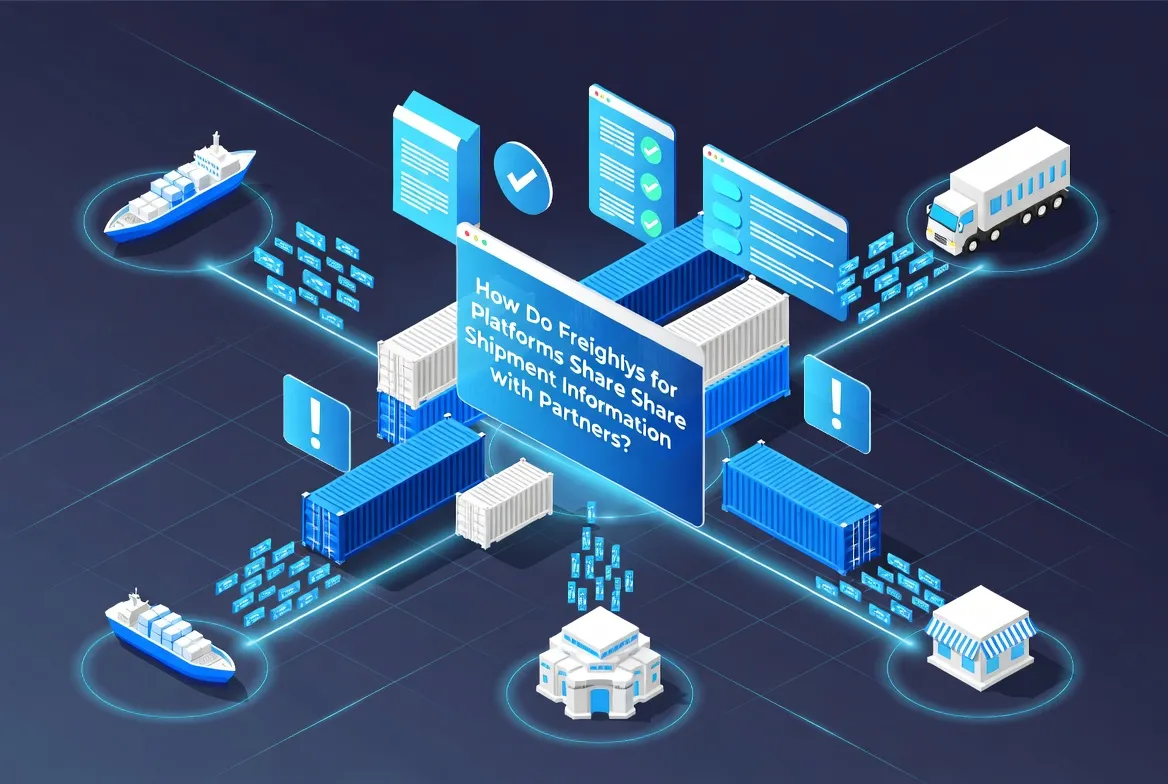
Better coordination with global partners
Improved financial accuracy and profitability tracking
Best Practices / Use Cases
Freight forwarders managing complex global shipments
3PL companies coordinating multi-party logistics networks
Cross-border eCommerce logistics providers handling high volumes
Conclusion
End-to-end logistics management platforms provide the digital infrastructure needed to manage modern, complex logistics operations. By integrating workflows, visibility, and automation, they enable scalable and efficient supply chain management.
Frequently Asked Questions
What is an end-to-end logistics platform?
It is a system that manages the entire logistics process from order creation to delivery and financial settlement within one platform.
How does it work?
It connects all logistics functions—operations, tracking, and finance—into unified workflows with real-time data sharing.
Why is it important?
It eliminates data silos, improves visibility, and increases operational efficiency.
What are the benefits?
Better collaboration, automation, cost control, and scalability.
About WallTech
WallTech provides digital logistics solutions designed to support end-to-end logistics operations. Its platforms enable multi-role collaboration across internal teams and external partners, offer real-time shipment visibility through milestone-based tracking, and support workflow and financial automation such as billing and reconciliation. These capabilities help logistics companies streamline operations, improve accuracy, and scale global business efficiently.
If you're exploring ways to improve your logistics operations, feel free to connect with us to learn more about our solutions and system capabilities.