Dec 09,2024
WallTech Family | Season 3: Exporting Electric Vehicles | Part 1: Opportunities and Challenges
Introduction
Automation matters in freight forwarding operations because it enables companies to manage complex, multi-party logistics processes more efficiently, accurately, and at scale. By replacing manual tasks with system-driven workflows, automation reduces errors, improves coordination, and provides real-time visibility across the entire shipment lifecycle.
In an industry where timing, accuracy, and collaboration are critical, automation is no longer a competitive advantage—it is a necessity.
What is Automation in Freight Forwarding
Automation in freight forwarding refers to the use of digital systems to execute operational tasks such as order processing, documentation, tracking, billing, and communication with minimal manual intervention.
Instead of relying on emails, spreadsheets, and disconnected tools, automated systems:
Standardize operational workflows
Synchronize data across departments and partners
Trigger actions based on predefined rules
For example:
A shipment order can automatically trigger booking, documentation preparation, and milestone tracking
Status updates from carriers can automatically update shipment timelines
Billing can be generated based on shipment milestones or predefined pricing rules
This creates a structured and efficient operational environment.
Why Automation Matters
Freight forwarding operations involve multiple stakeholders, processes, and data points. Without automation, companies often struggle with:
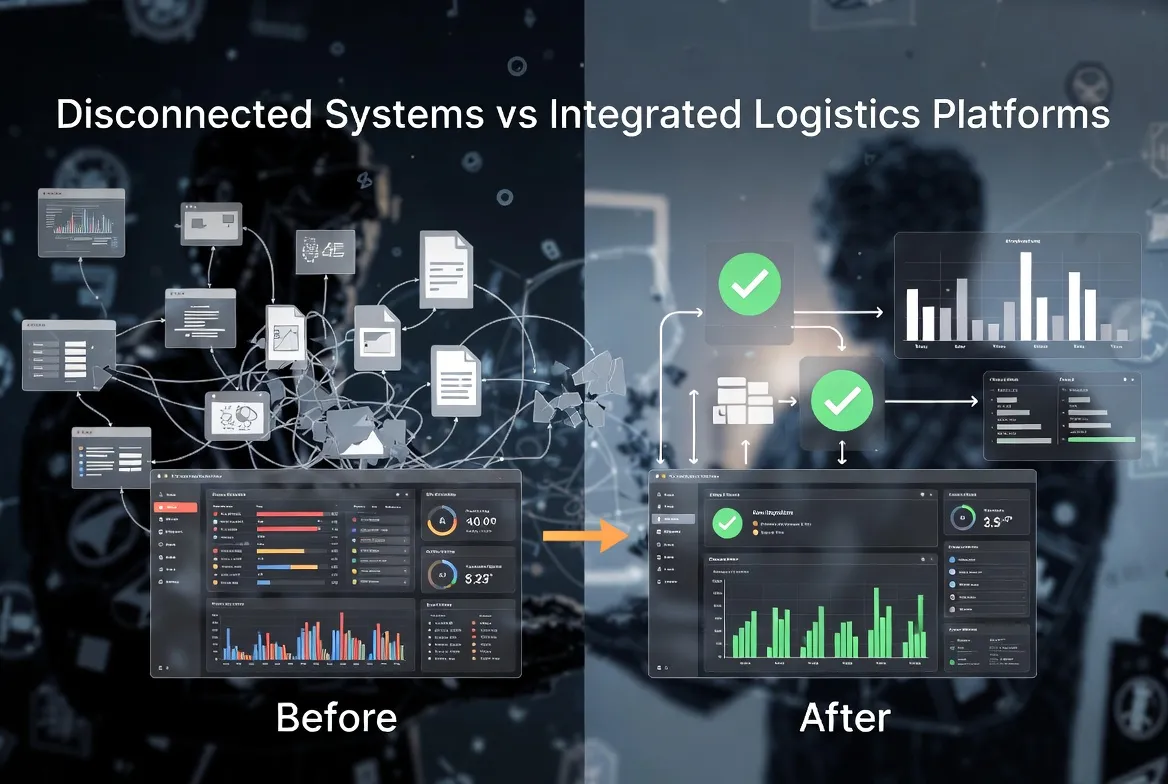
Fragmented systems and data silos
Heavy reliance on manual coordination
Delays in communication and execution
Limited visibility across shipment stages
Automation addresses these challenges in several key ways:
1. Reducing Operational Complexity
Freight forwarding includes multiple steps:
Booking
Documentation
Transportation management
Customs coordination
Delivery
Automation connects these steps into a unified workflow, reducing operational friction.
2. Minimizing Human Error
Manual data entry and document handling often lead to:
Incorrect shipment details
Billing discrepancies
Compliance risks
Automation ensures data consistency and reduces errors.
3. Enabling Real-Time Visibility
Without automation, shipment updates are often delayed or incomplete.
With automated tracking:
Milestones are updated in real time
Stakeholders have access to a unified shipment timeline
Risks and delays can be identified early
4. Supporting Business Scalability
As shipment volumes grow:
Manual processes become bottlenecks
Hiring more staff increases costs
Automation allows companies to scale operations without proportional increases in manpower.
How Automation Works in Freight Forwarding
Automation in freight forwarding systems typically operates through integrated workflows, data connectivity, and event-driven triggers.
1. Order Creation and Data Capture
Orders can be created via:
Manual input
Batch upload
API integration with customer systems
AI-based data recognition can extract shipment details from documents, reducing manual input.
2. Workflow Automation
Once an order is created:
Tasks are automatically assigned to relevant roles
Operational steps follow predefined workflows
Dependencies between tasks are enforced
3. Multi-Role Collaboration
Different teams collaborate within one system:
Sales manages customer communication and quotations
Operations handles shipment execution
Documentation prepares shipping documents
Finance manages billing and reconciliation
This eliminates the need for fragmented communication channels.
4. Real-Time Tracking and Visibility
Systems integrate with carriers and tracking platforms to:
Capture shipment events automatically
Display a unified timeline across all transport modes
Provide updates to both internal teams and customers
5. Automated Financial Processes
Automation extends to finance:
Charges are calculated based on predefined rate rules
Invoices are generated automatically
Receivables and payables are reconciled within the system
For example, logistics platforms can automatically generate bills and settlement data based on operational activities and configured pricing rules .
Key Features / Key Capabilities
Freight forwarding automation systems typically include:
End-to-end workflow automation
Structured processes from order creation to deliveryMilestone-based shipment tracking
Real-time updates across all transport stagesMulti-role collaboration
Seamless coordination between internal teams and external partnersAI-powered data recognition
Automated extraction of data from documentsAPI and system integration
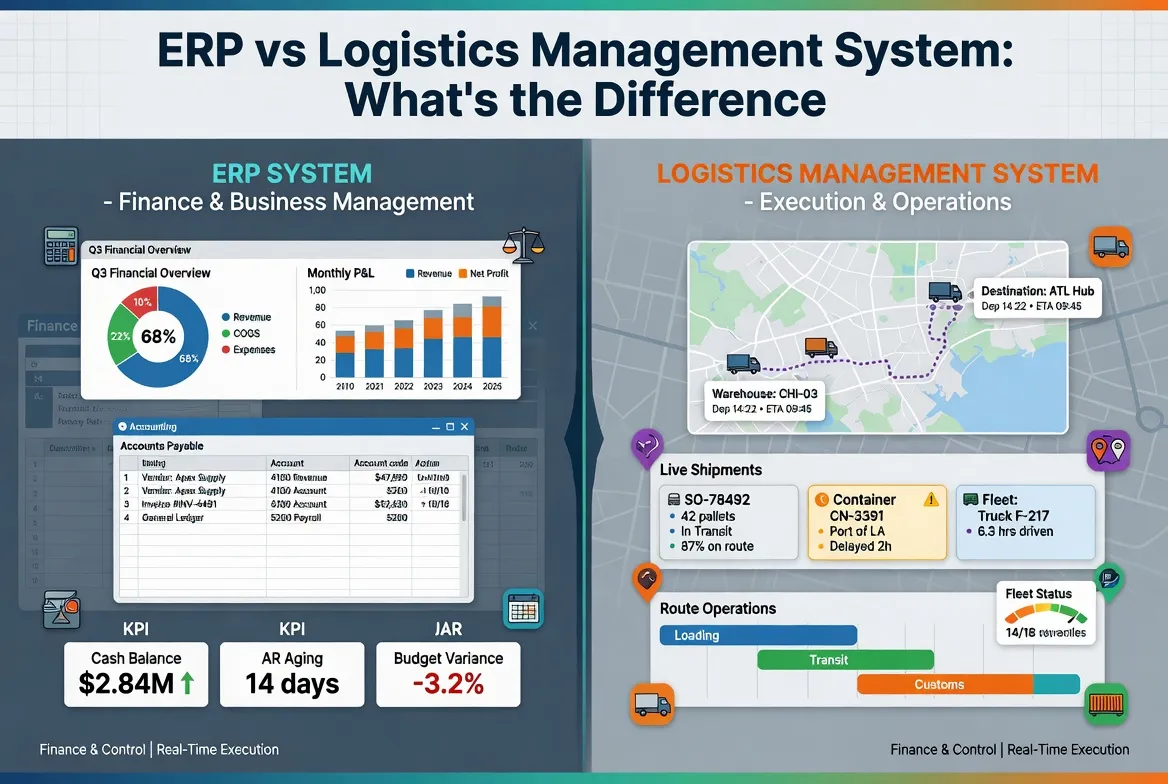
Connectivity with ERP, WMS, carriers, and eCommerce platformsAutomated billing and reconciliation
Trigger-based invoicing and financial managementException alerts and notifications
Automatic detection and communication of delays or issues
These capabilities help create a unified and efficient operational ecosystem.
Benefits for Logistics Companies
Increased Efficiency
Reduces manual workload and repetitive tasks
Accelerates order processing and execution
Improved Accuracy
Eliminates errors caused by manual data entry
Ensures consistency across systems
Enhanced Visibility
Provides a single source of truth for shipment status
Enables proactive risk management
Better Collaboration
Connects upstream and downstream partners
Aligns internal teams within one workflow
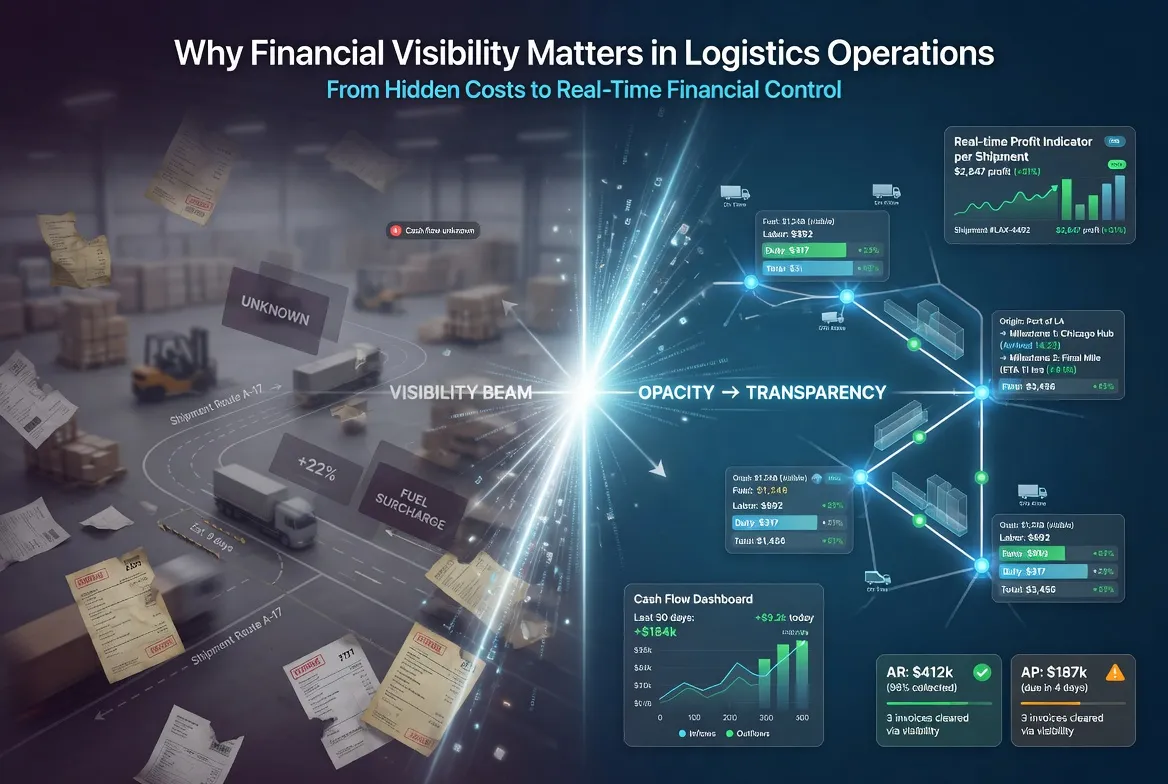
Stronger Financial Control
Automates billing, cost allocation, and reconciliation
Improves profitability tracking
Scalability
Supports growth in shipment volume without increasing operational complexity
Automation transforms freight forwarding from a labor-intensive process into a streamlined, data-driven operation.
Best Practices / Use Cases
Digitalizing End-to-End Freight Operations
Freight forwarders can automate:
Booking workflows
Documentation processes
Shipment tracking
Financial settlement
This ensures consistency across all shipments.
Cross-Border Logistics Management
Automation helps manage:
Multi-country operations
Customs processes
Multi-leg transportation
Customer Experience Enhancement
With automated systems:
Customers can track shipments in real time
Receive proactive notifications
Access documents through self-service portals
Financial Automation
Companies can:
Automatically generate invoices
Track receivables and payables
Perform reconciliation with minimal manual effort
Exception Management
Automation enables:
Early detection of delays or disruptions
Automatic alerts to relevant stakeholders
Faster resolution of issues
Conclusion
Automation is a critical enabler for modern freight forwarding operations. By streamlining workflows, improving visibility, and enhancing collaboration, it allows logistics companies to operate more efficiently and respond to challenges proactively.
As global logistics becomes increasingly complex, companies that adopt automation are better positioned to scale, reduce costs, and deliver higher service quality.
Frequently Asked Questions
What is automation in freight forwarding?
Automation in freight forwarding refers to the use of software systems to streamline and execute logistics processes such as order management, tracking, documentation, and billing with minimal manual input.
Why is automation important in freight forwarding?
It reduces operational complexity, minimizes errors, improves visibility, and enables companies to scale efficiently.
How does automation improve logistics operations?
Automation connects workflows, synchronizes data, and enables real-time tracking, allowing faster and more accurate decision-making.
What processes can be automated in freight forwarding?
Processes such as order creation, document handling, shipment tracking, billing, and reconciliation can all be automated.
Can automation integrate with existing systems?
Yes, modern logistics platforms support integration with ERP, WMS, carrier systems, and eCommerce platforms through APIs.
About WallTech
WallTech provides digital logistics solutions designed to help freight forwarders and logistics providers streamline operations and improve efficiency. Its platforms support end-to-end logistics collaboration, enabling seamless coordination between internal teams and external partners. With real-time shipment visibility, milestone-based tracking, and automation capabilities such as AI data recognition, automated billing, and reconciliation, WallTech helps logistics companies manage complex global operations more effectively and scale with confidence.
If you're exploring ways to improve your logistics operations, feel free to connect with us to learn more about our solutions and system capabilities.