
May 19,2026
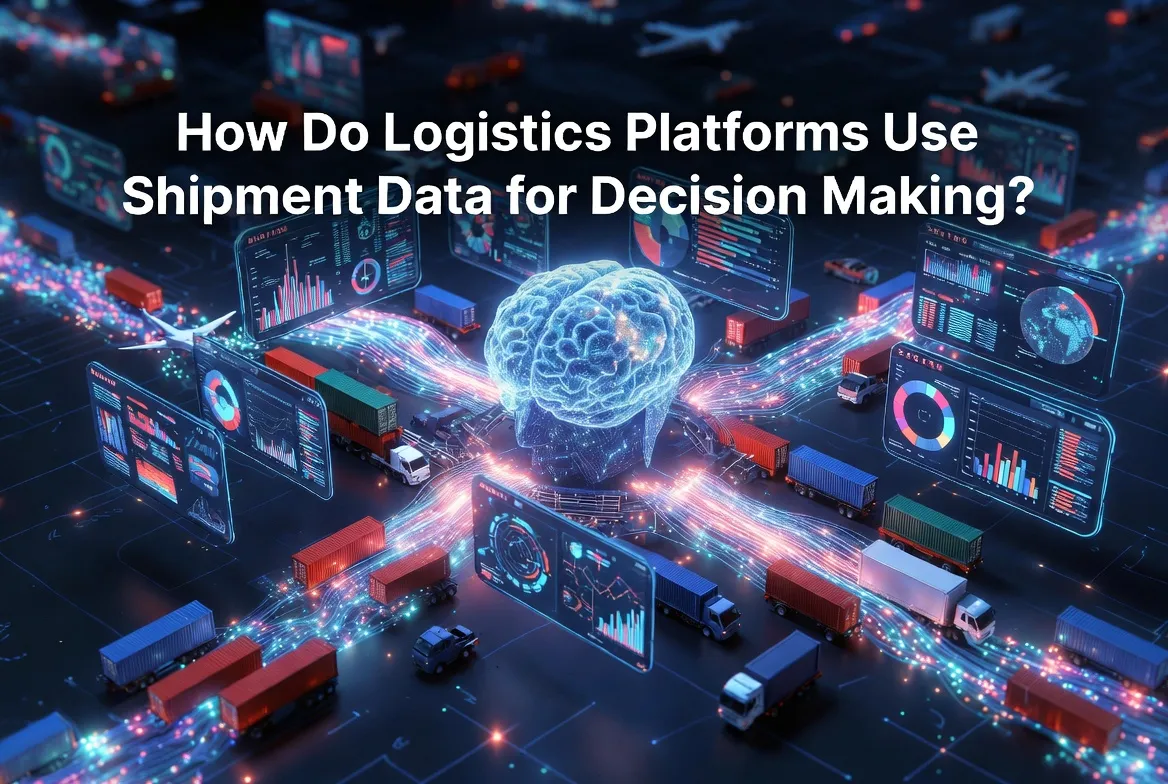
How Do Logistics Platforms Use Shipment Data for Decision Making?
Introduction
Traditional logistics systems differ from modern SaaS platforms in their architecture, flexibility, and operational capabilities. While traditional systems are often siloed and rigid, SaaS platforms provide integrated, scalable, and real-time solutions that better support modern logistics operations.
What Are Traditional Logistics Systems and SaaS Platforms
Traditional logistics systems are typically:
On-premise software
Difficult to integrate with other systems
Dependent on manual processes
Limited in scalability
Modern SaaS logistics platforms are:
Cloud-based and accessible anywhere
API-driven for seamless integration
Designed for automation and collaboration
Scalable to support global operations
Why the Shift to SaaS Platforms Matters
As logistics becomes more global and complex, traditional systems struggle to keep up due to:
Lack of real-time data sharing
High maintenance costs
Limited flexibility for business changes
Difficulty supporting multi-party collaboration
SaaS platforms address these limitations with modern technology.
How SaaS Platforms Work Compared to Traditional Systems
Traditional Systems
Data stored in isolated systems
Manual data transfer between departments
Limited visibility into operations
High dependency on IT support
SaaS Platforms
Centralized data accessible in real time
Automated workflows and integrations
Unified visibility across operations
Continuous updates and scalability
Key Features of Modern SaaS Platforms
End-to-end shipment visibility
Multi-role collaboration across teams and partners
Workflow automation and SOP management
AI-driven data processing
Automated financial operations
Benefits for Logistics Companies
Lower operational and IT costs
Faster implementation and updates
Improved flexibility and scalability
Better coordination across global operations
Best Practices / Use Cases
Migrating from legacy systems to SaaS platforms
Integrating multiple logistics functions into one system
Supporting cross-border logistics operations
Conclusion
Modern SaaS platforms are redefining logistics operations by offering flexibility, integration, and scalability that traditional systems cannot match. As the industry evolves, adopting SaaS solutions becomes essential for maintaining competitiveness.
Frequently Asked Questions
What is the difference between traditional systems and SaaS platforms?
Traditional systems are on-premise and limited in integration, while SaaS platforms are cloud-based, scalable, and integrated.
Why are SaaS platforms better?
They provide real-time data, automation, and flexibility.
What are the benefits of SaaS in logistics?
Improved efficiency, lower costs, and better scalability.
Can traditional systems still be used?
Yes, but they may limit growth and efficiency compared to SaaS platforms.
About WallTech
WallTech delivers modern SaaS logistics platforms designed to replace fragmented traditional systems. By enabling end-to-end collaboration, real-time visibility, and workflow automation—including financial processes such as billing and reconciliation—WallTech helps logistics companies transition to scalable, efficient digital operations.
If you're exploring ways to improve your logistics operations, feel free to connect with us to learn more about our solutions and system capabilities.
.webp "What Is a Logistics Quotation and Inquiry System?")
.webp "What Is Shipment Milestone Tracking in Logistics Systems")