.webp "How Digital Systems Improve Shipment Margin Analysis")
Mar 16,2026
How Digital Systems Improve Shipment Margin Analysis
Introduction
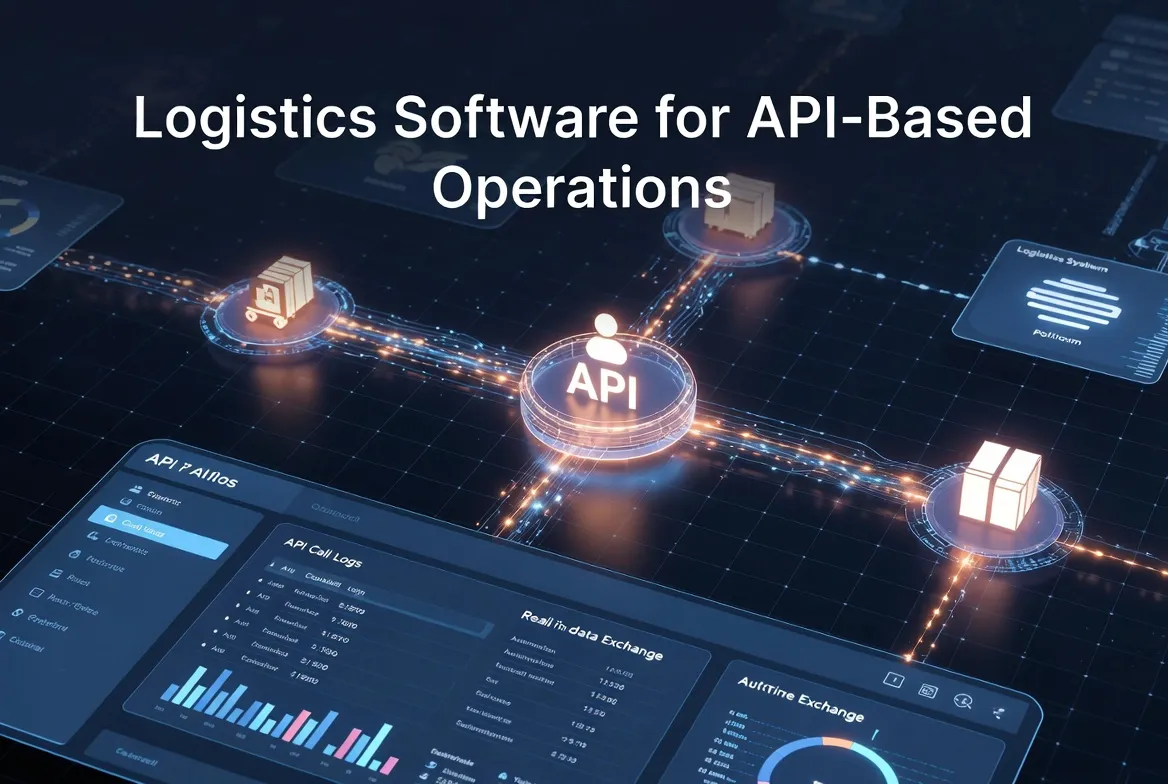
APIs enable real-time logistics data flow by allowing different systems—such as logistics platforms, carrier systems, ERP systems, and customer portals—to communicate instantly and exchange data automatically. This ensures that shipment updates, order information, and financial data are synchronized across all systems without delays or manual intervention.
In modern logistics operations, real-time data flow is critical for maintaining visibility, improving responsiveness, and ensuring efficient coordination across multiple stakeholders.
What Are APIs in Logistics
APIs (Application Programming Interfaces) are standardized interfaces that allow different software systems to communicate and exchange data.
In logistics, APIs are used to connect:
Freight forwarding systems
Carrier and tracking systems
ERP and financial systems
E-commerce platforms
Warehouse management systems
Customer portals
Instead of relying on manual updates or batch data transfers, APIs enable systems to exchange information instantly, creating a connected and responsive logistics ecosystem.
Why Real-Time Data Flow Matters
1. Improves Shipment Visibility
Real-time data ensures that shipment status updates are immediately available across all systems, providing end-to-end visibility.
2. Enhances Operational Efficiency
Automated data flow eliminates manual processes, reducing workload and increasing processing speed.
3. Enables Faster Decision-Making
Logistics teams can respond quickly to delays, disruptions, or exceptions based on up-to-date information.
4. Improves Customer Experience
Customers receive accurate, real-time tracking updates, reducing uncertainty and inquiries.
5. Supports Collaboration Across Stakeholders
All parties—internal teams, partners, and customers—can access synchronized data, improving coordination.
How APIs Enable Real-Time Logistics Data Flow
1. Instant Data Exchange
APIs allow systems to send and receive data instantly. For example:
A carrier updates shipment status → logistics system receives the update immediately
Logistics system updates milestones → customer portal reflects changes in real time
2. Event-Driven Communication
APIs often operate based on events:
Shipment departure triggers status updates
Customs clearance triggers workflow updates
Delivery confirmation triggers billing processes
Each event automatically initiates data synchronization across systems.
3. Continuous Data Synchronization
APIs ensure that:
Shipment data is updated across all systems simultaneously
Order information remains consistent
Financial data aligns with operational activities
This creates a unified and up-to-date data environment.
4. Multi-System Connectivity
APIs connect multiple systems within the logistics ecosystem:
ERP systems for financial data
WMS systems for inventory and warehouse operations
Carrier systems for tracking updates
E-commerce platforms for order management
5. Automation and AI Integration
Modern logistics platforms enhance API-driven data flow with:
AI data recognition for extracting shipment details from documents
Automated workflow triggers based on real-time data
Automated billing and reconciliation aligned with operational updates
These capabilities ensure that real-time data is not only available but also actionable.
Key Features of API-Driven Real-Time Data Flow
Real-time synchronization
Instant updates across all connected systemsEvent-driven architecture
Automatic triggers based on shipment milestonesEnd-to-end visibility
Unified tracking timeline across all transport modesMulti-role collaboration
Shared data environment for internal teams and external partnersScalable connectivity
Ability to connect with multiple systems and partnersCentralized data management
Unified platform for accessing all logistics data
Benefits for Logistics Companies
1. Faster Operations
Real-time data flow reduces delays in order processing and shipment management.
2. Improved Accuracy
Automated data exchange minimizes errors caused by manual input.
3. Enhanced Visibility
Companies gain a complete, real-time view of shipments across the supply chain.
4. Better Customer Experience
Customers can track shipments in real time, improving transparency and satisfaction.
5. Increased Scalability
API-driven systems can easily expand to support new partners, systems, and business requirements.
Best Practices / Use Cases
1. Carrier Tracking Integration
Use APIs to receive real-time tracking updates from carriers and synchronize them across platforms.
2. E-Commerce Order Integration
Automatically import orders and provide real-time tracking updates to customers.
3. Financial Data Synchronization
Ensure operational data triggers billing and reconciliation processes in real time.
4. Customer Portal Integration
Provide customers with access to real-time shipment data through API-connected portals.
5. Multi-Partner Collaboration
Enable seamless data sharing across upstream and downstream partners.
Conclusion
APIs play a critical role in enabling real-time logistics data flow. By connecting systems and automating data exchange, they ensure that logistics operations are efficient, transparent, and responsive.
As logistics networks become more complex and interconnected, API-driven real-time data flow will be essential for maintaining visibility, improving collaboration, and achieving scalable growth.
Frequently Asked Questions
What are APIs in logistics?
APIs are interfaces that allow different logistics systems to communicate and exchange data automatically.
How do APIs enable real-time data flow?
They allow systems to send and receive data instantly, ensuring that updates are synchronized across all platforms.
Why is real-time data important in logistics?
It improves visibility, enables faster decision-making, and enhances operational efficiency.
What are the benefits of API-driven logistics systems?
Improved accuracy, real-time visibility, reduced manual work, and scalable integration.
What systems can APIs connect in logistics?
APIs can connect ERP systems, carrier systems, warehouse systems, e-commerce platforms, and customer portals.
About WallTech
WallTech provides digital logistics solutions built on API-driven architecture to enable real-time data flow across global supply chain ecosystems. Its platforms support end-to-end collaboration by connecting internal teams, external partners, and multiple systems within a unified workflow. With real-time shipment visibility based on milestone tracking, logistics companies gain full transparency across operations. The system also incorporates automation capabilities such as AI-driven data recognition, workflow automation, and automated billing and reconciliation, helping businesses improve efficiency, accuracy, and scalability in real-time logistics environments.
If you're exploring ways to improve your logistics operations, feel free to connect with us to learn more about our solutions and system capabilities.
.webp "Key Capabilities of Operational Document Control Solutions")