
May 25,2026
How Do Logistics Platforms Manage Shipment Workflows?
Introduction
Logistics operations generate a large volume of documents at every stage, including shipping instructions, bills of lading, customs forms, invoices, and delivery confirmations.
In many organizations, these documents are still managed manually or stored across disconnected systems, leading to inefficiencies, delays, and compliance risks.
Modern logistics document management systems transform how documents are created, processed, and shared, enabling faster operations and better control across the entire supply chain.
What is Logistics Document Management
Logistics document management refers to the digital handling, storage, processing, and control of all documents related to logistics operations.
This includes:
Shipping documents (B/L, AWB, invoices)
Customs and compliance documents
Operational documents (packing lists, delivery notes)
Financial documents (billing, settlement records)
Instead of relying on paper or scattered files, document management systems centralize all documents into a structured digital environment.
Why Logistics Document Management is Important
1. Reducing Manual Errors
Manual document handling often leads to data entry mistakes, missing information, or version inconsistencies.
2. Improving Operational Efficiency
Processing documents manually slows down shipment workflows, especially in high-volume operations.
3. Ensuring Compliance
International logistics requires strict adherence to customs and regulatory requirements. Missing or incorrect documents can cause delays or penalties.
4. Enhancing Collaboration
Multiple stakeholders—shippers, forwarders, carriers, and customs brokers—need access to the same documents. Centralized systems improve coordination.
How Logistics Document Management Works
1. Centralized Document Storage
All documents are stored in a unified system, linked directly to shipments or orders.
Users can quickly access relevant documents without searching across multiple platforms.
2. Template-Based Document Generation
Systems allow users to create standardized document templates for different logistics scenarios.
For example, platforms support custom document templates and document export functions, enabling consistent and efficient document generation .
3. Automated Data Extraction and Input
Key shipment data can be automatically populated into documents, reducing manual input and improving accuracy.
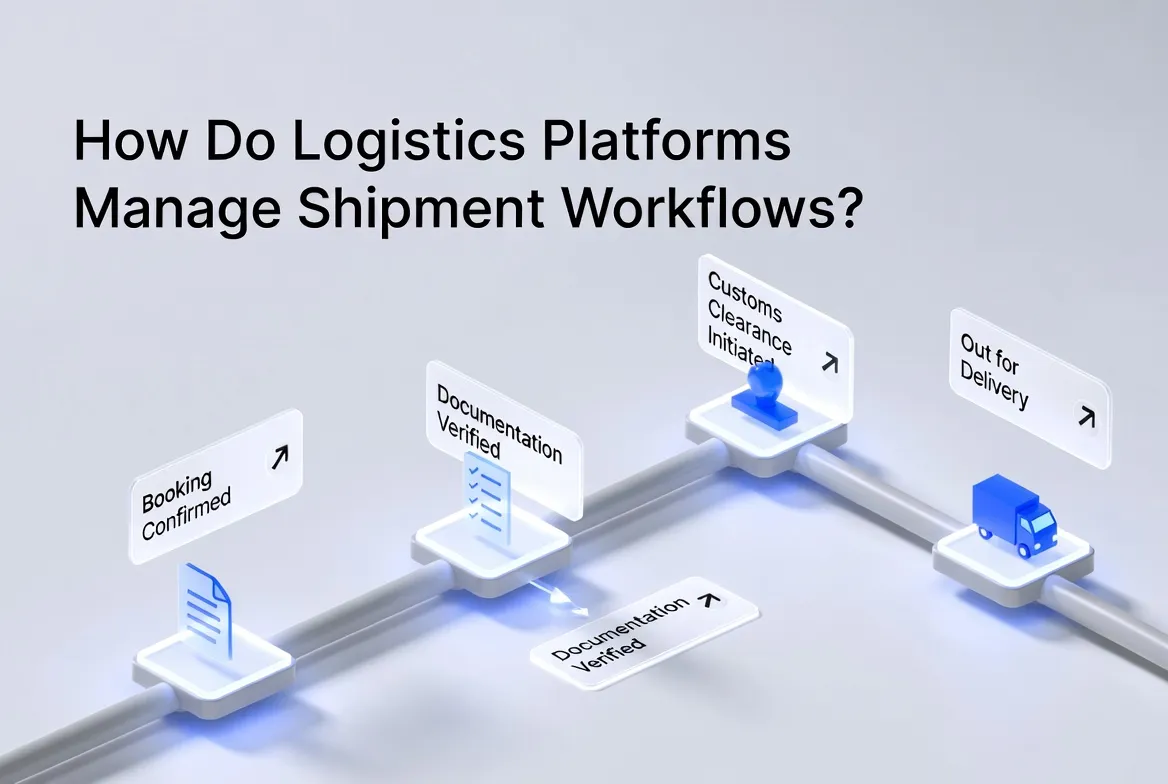
4. Workflow-Based Document Processing
Documents move through predefined workflows, such as:
Creation
Review
Approval
Distribution
This ensures that documents are processed in the correct sequence.
5. Real-Time Document Sharing
Documents can be shared instantly with internal teams and external partners, improving communication and reducing delays.
6. Version Control and Audit Tracking
Systems maintain records of document changes, ensuring transparency and traceability for compliance purposes.
Key Features of Logistics Document Management Systems
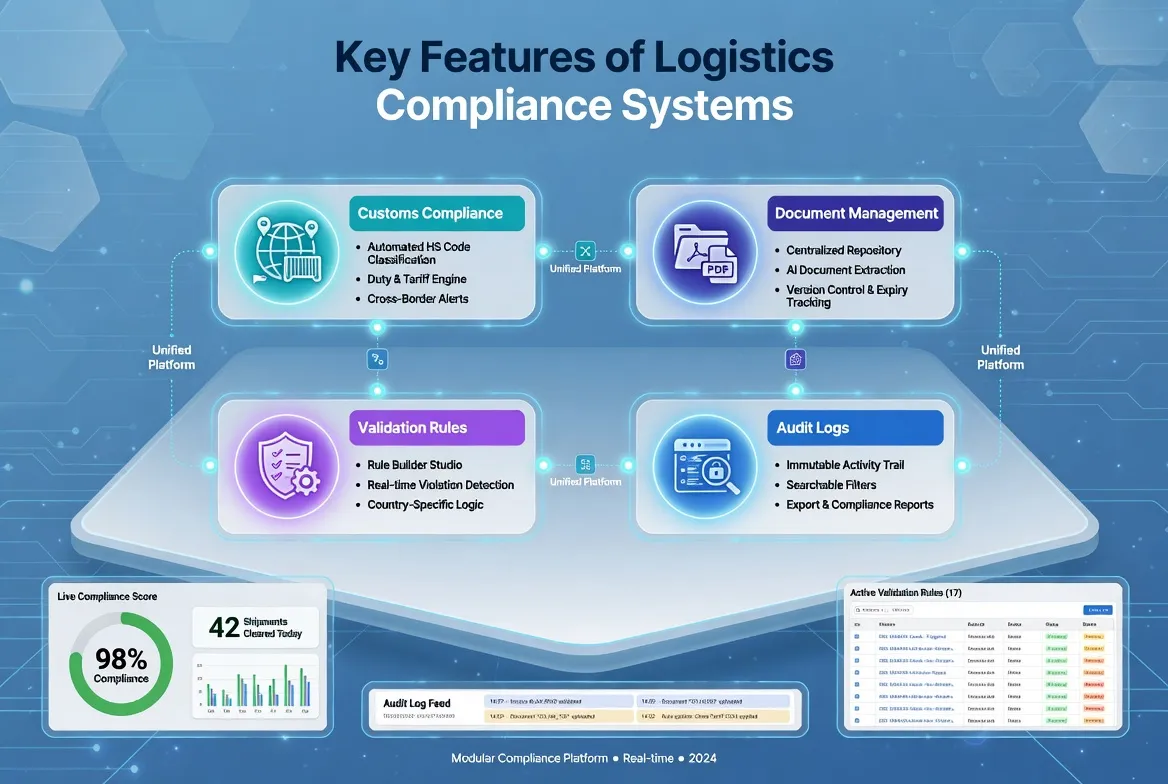
1. Document Template Configuration
Customizable templates for different document types and business scenarios.
2. Automated Document Generation
Auto-fill and generation based on shipment data.
3. Centralized Repository
All documents stored in a single, searchable system.
4. Access Control and Permissions
Role-based access ensures that only authorized users can view or edit documents.
5. Integration with Operational Systems
Seamless connection with order management, tracking, and financial systems.
6. Audit Logs and Version Control
Tracks document history and changes for accountability.
Benefits of Using Logistics Document Management Solutions
1. Faster Document Processing
Automation reduces the time required to create and handle documents.
2. Improved Data Accuracy
Eliminates repetitive manual entry and reduces errors.
3. Enhanced Compliance
Ensures that all required documents are complete and properly managed.
4. Better Collaboration Across Stakeholders
Real-time sharing improves coordination between partners.
5. Reduced Operational Costs
Less reliance on manual work and paper-based processes lowers costs.
Conclusion
Logistics document management plays a critical role in improving operational efficiency and accuracy in global supply chains.
By digitizing and automating document workflows, modern logistics platforms enable faster processing, better compliance, and improved collaboration.
As logistics operations continue to scale, companies that invest in digital document management will gain a significant advantage in efficiency, reliability, and overall service quality.