
.webp "How Logistics Platforms Deliver Trade Documentation Systems") How Logistics Platforms Deliver Trade Documentation Systems
In global logistics operations, trade documentation is one of the most critical yet complex components. From bills of lading and commercial invoices to customs declarations and shipping instructions, every shipment depends on accurate, timely, and compliant documentation. However, traditional document handling is often manual, fragmented, and prone to delays.
How Logistics Platforms Deliver Trade Documentation Systems
In global logistics operations, trade documentation is one of the most critical yet complex components. From bills of lading and commercial invoices to customs declarations and shipping instructions, every shipment depends on accurate, timely, and compliant documentation. However, traditional document handling is often manual, fragmented, and prone to delays.
.webp "The Role of Digital Logistics Documentation in Modern Logistics") The Role of Digital Logistics Documentation in Modern Logistics
Digital logistics documentation is transforming how logistics companies manage shipment data, coordinate operations, and ensure compliance. By integrating documentation into digital platforms, companies can streamline workflows, enhance visibility, and enable real-time collaboration across the entire supply chain.
The Role of Digital Logistics Documentation in Modern Logistics
Digital logistics documentation is transforming how logistics companies manage shipment data, coordinate operations, and ensure compliance. By integrating documentation into digital platforms, companies can streamline workflows, enhance visibility, and enable real-time collaboration across the entire supply chain.
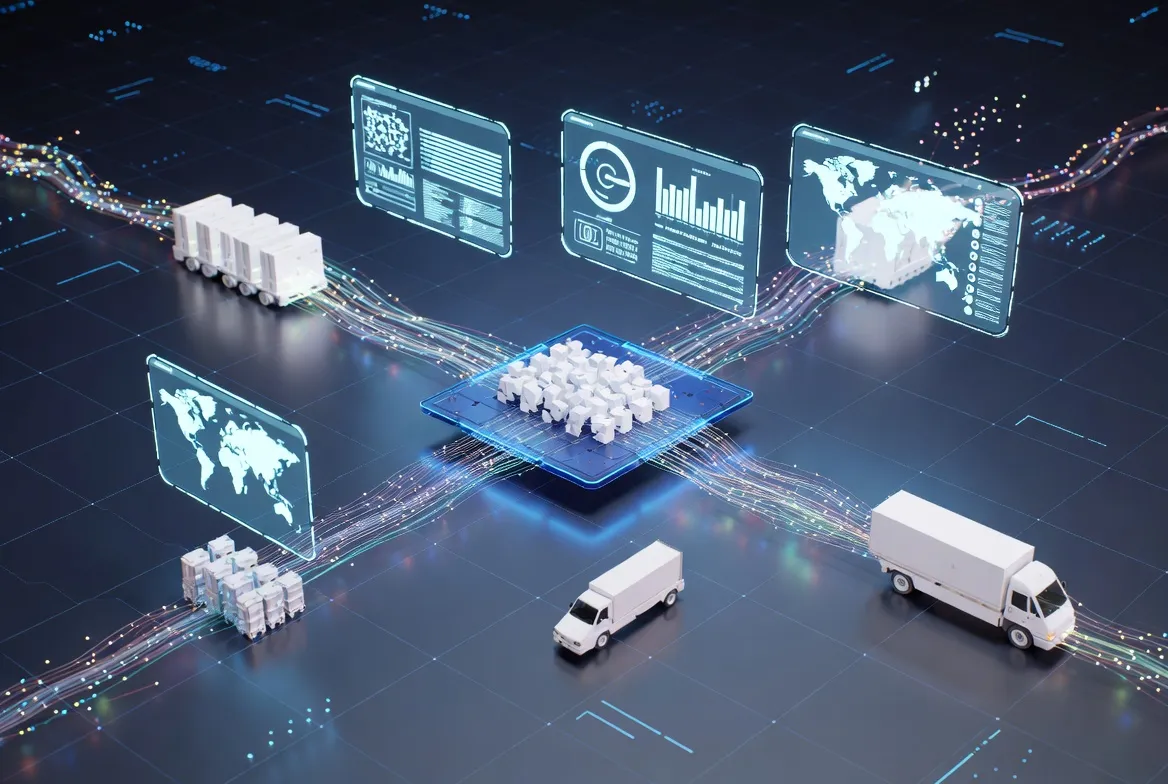 How Logistics Data Integration Improve Logistics Operations
Logistics data integration addresses this challenge by connecting systems, synchronizing information, and enabling seamless data flow across the entire supply chain. As a result, companies can improve operational performance, reduce manual work, and make more informed decisions.
How Logistics Data Integration Improve Logistics Operations
Logistics data integration addresses this challenge by connecting systems, synchronizing information, and enabling seamless data flow across the entire supply chain. As a result, companies can improve operational performance, reduce manual work, and make more informed decisions.
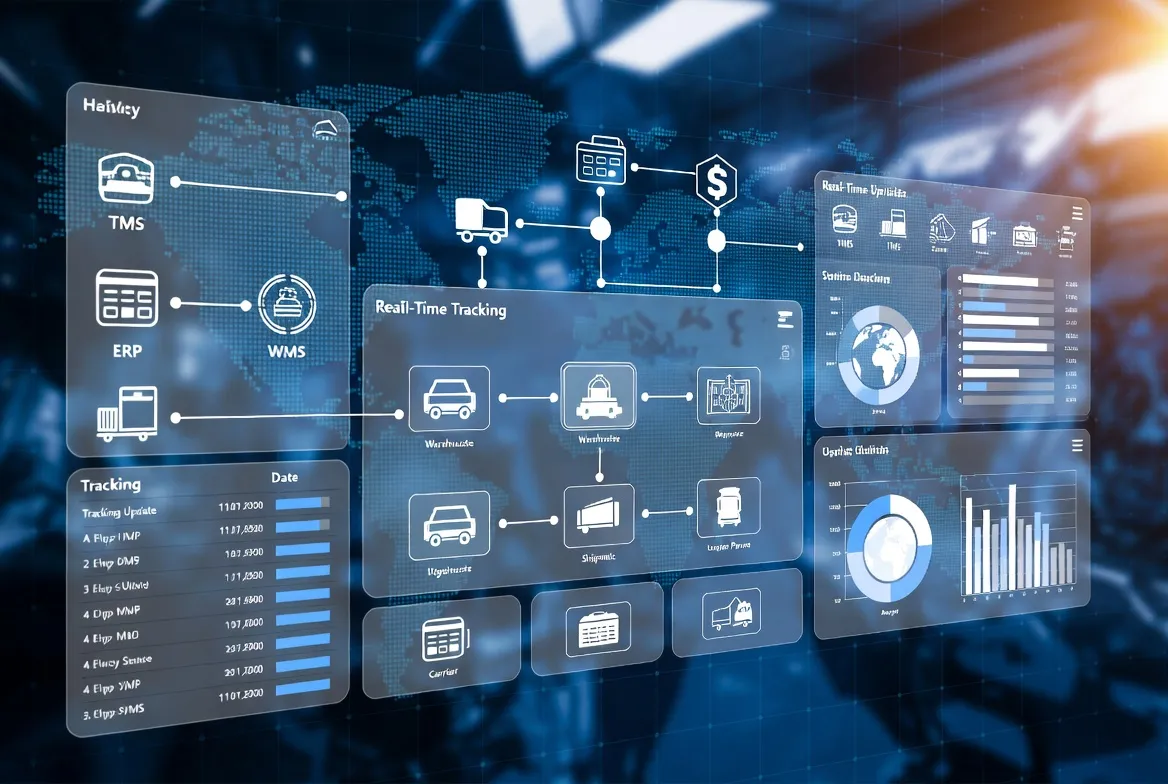 Key Features of Supply Chain Data Connectivity Platforms
As global supply chains become more complex, logistics operations increasingly rely on multiple systems, partners, and data sources. However, without proper connectivity, these systems operate in isolation, creating inefficiencies, delays, and limited visibility.
Key Features of Supply Chain Data Connectivity Platforms
As global supply chains become more complex, logistics operations increasingly rely on multiple systems, partners, and data sources. However, without proper connectivity, these systems operate in isolation, creating inefficiencies, delays, and limited visibility.
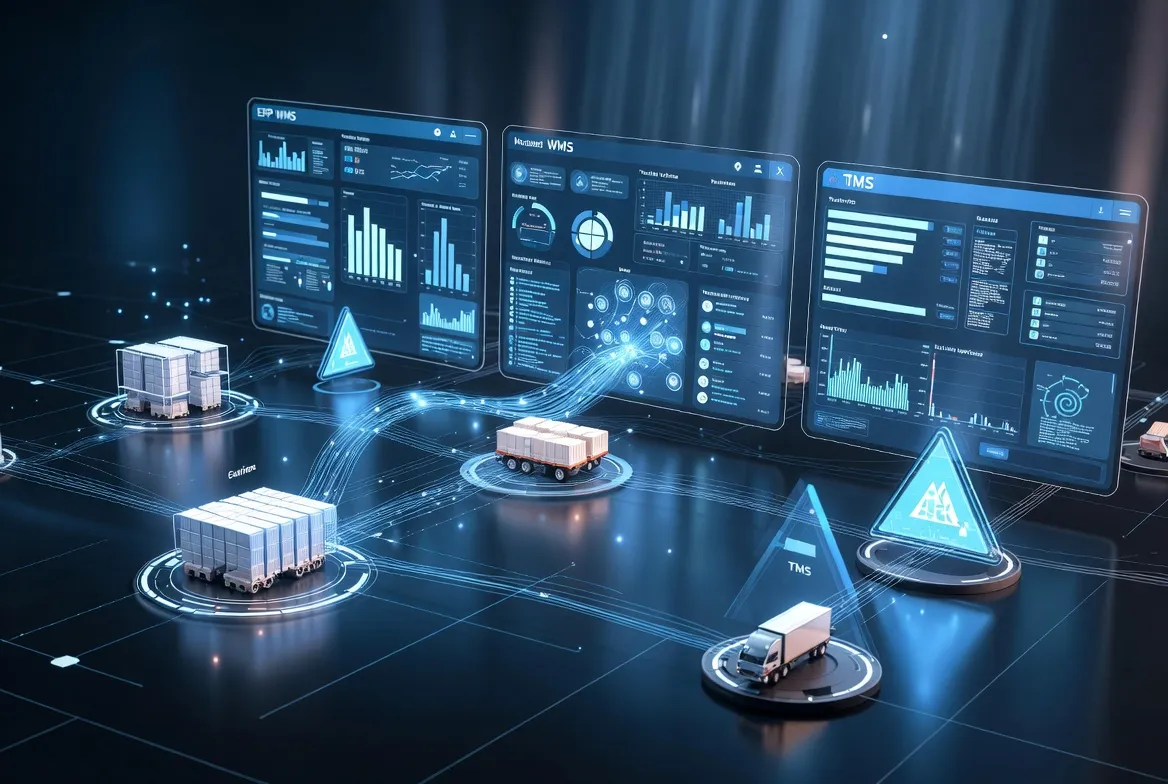 Best Practices for Managing Operational Data Synchronization
In logistics operations, data flows continuously across multiple systems, departments, and partners. Orders, shipment statuses, inventory levels, and financial data must remain consistent across platforms to ensure smooth execution. However, without proper synchronization, discrepancies can arise—leading to delays, errors, and operational inefficiencies.
Best Practices for Managing Operational Data Synchronization
In logistics operations, data flows continuously across multiple systems, departments, and partners. Orders, shipment statuses, inventory levels, and financial data must remain consistent across platforms to ensure smooth execution. However, without proper synchronization, discrepancies can arise—leading to delays, errors, and operational inefficiencies.
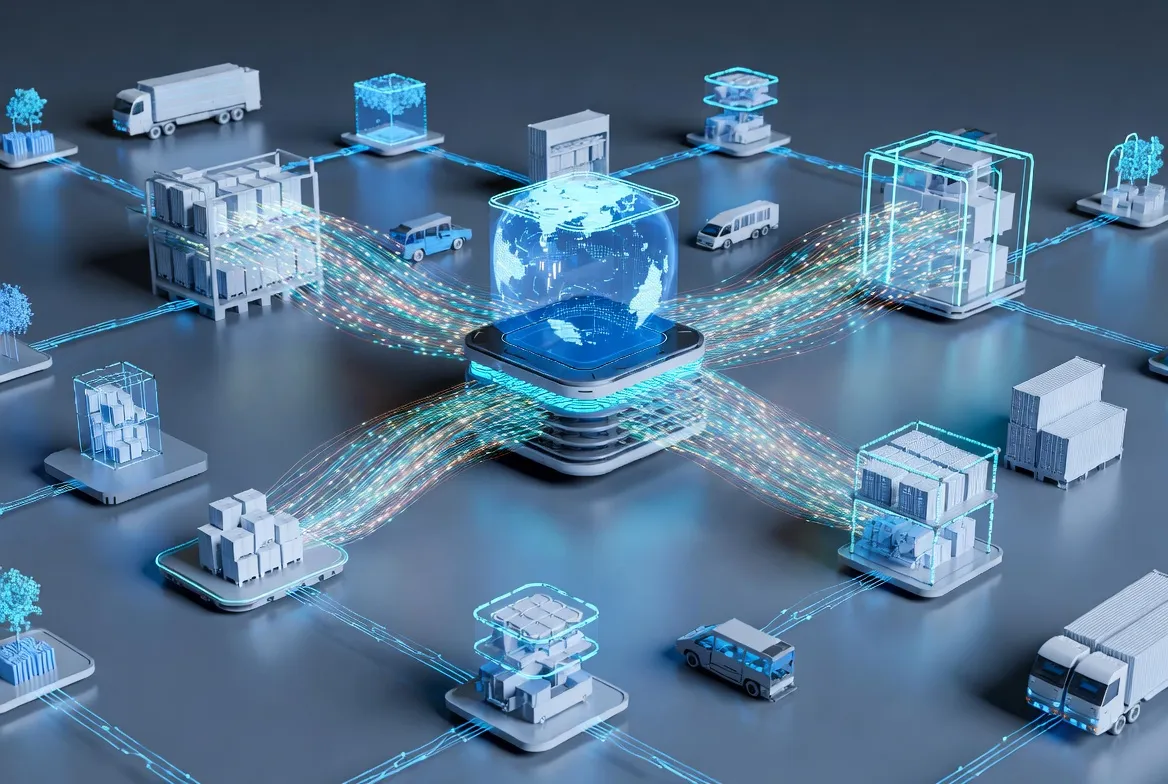 How Logistics Data Platforms Support Global Supply Chains
Global supply chains are more interconnected than ever, spanning multiple countries, transportation modes, and business partners. As operations scale, managing data across these complex networks becomes a major challenge.
How Logistics Data Platforms Support Global Supply Chains
Global supply chains are more interconnected than ever, spanning multiple countries, transportation modes, and business partners. As operations scale, managing data across these complex networks becomes a major challenge.
 Why Companies Use Cross-System Data Exchange Systems
In modern logistics operations, companies rely on multiple systems to manage different aspects of the business—order processing, warehousing, transportation, finance, and customer management. However, when these systems operate independently, data becomes fragmented, leading to inefficiencies and operational challenges.
Why Companies Use Cross-System Data Exchange Systems
In modern logistics operations, companies rely on multiple systems to manage different aspects of the business—order processing, warehousing, transportation, finance, and customer management. However, when these systems operate independently, data becomes fragmented, leading to inefficiencies and operational challenges.
 How Modern Platforms Enable Shipment Data Integration
Shipment data is at the core of logistics operations. From order creation and booking to transportation, tracking, and final delivery, every stage generates critical data. However, in many organizations, shipment data is scattered across multiple systems, making it difficult to manage, analyze, and act upon.
How Modern Platforms Enable Shipment Data Integration
Shipment data is at the core of logistics operations. From order creation and booking to transportation, tracking, and final delivery, every stage generates critical data. However, in many organizations, shipment data is scattered across multiple systems, making it difficult to manage, analyze, and act upon.
 Key Capabilities of Supply Chain Data Visibility Solutions
In today’s global logistics environment, supply chains span multiple countries, systems, and stakeholders. Without clear visibility into operations, companies struggle to track shipments, manage inventory, and respond to disruptions.
Key Capabilities of Supply Chain Data Visibility Solutions
In today’s global logistics environment, supply chains span multiple countries, systems, and stakeholders. Without clear visibility into operations, companies struggle to track shipments, manage inventory, and respond to disruptions.
 How Digital Systems Improve Connected Logistics Data
In today’s logistics landscape, data is generated across every operational step—from order creation and warehouse processing to transportation and final delivery. However, when this data is fragmented across multiple systems, it becomes difficult to manage, analyze, and utilize effectively.
How Digital Systems Improve Connected Logistics Data
In today’s logistics landscape, data is generated across every operational step—from order creation and warehouse processing to transportation and final delivery. However, when this data is fragmented across multiple systems, it becomes difficult to manage, analyze, and utilize effectively.
.webp "How Logistics Platforms Deliver Logistics System Integration") How Logistics Platforms Deliver Logistics System Integration
Logistics system integration refers to the ability to connect different operational, financial, and data systems into a unified workflow. In modern logistics environments, companies often rely on multiple platforms such as ERP, WMS, carrier systems, and customer portals. Without integration, data becomes fragmented and operational efficiency decreases.
How Logistics Platforms Deliver Logistics System Integration
Logistics system integration refers to the ability to connect different operational, financial, and data systems into a unified workflow. In modern logistics environments, companies often rely on multiple platforms such as ERP, WMS, carrier systems, and customer portals. Without integration, data becomes fragmented and operational efficiency decreases.
 The Role of Operational Data Infrastructure in Modern Logistics
In modern logistics, operational efficiency is no longer driven solely by physical movement but by how data flows across systems. Operational data infrastructure forms the backbone of digital logistics, enabling companies to collect, process, and utilize data across the entire supply chain.
The Role of Operational Data Infrastructure in Modern Logistics
In modern logistics, operational efficiency is no longer driven solely by physical movement but by how data flows across systems. Operational data infrastructure forms the backbone of digital logistics, enabling companies to collect, process, and utilize data across the entire supply chain.
 How Cross-Border Logistics Improve Logistics Operations
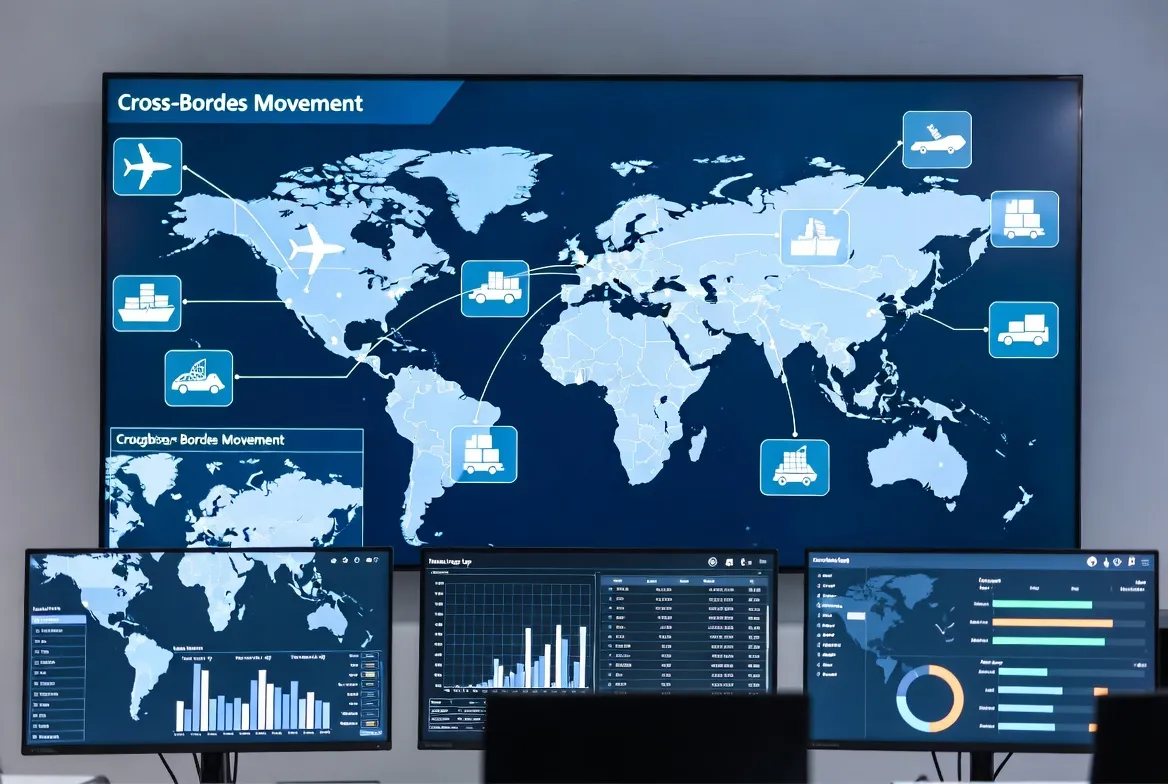
Cross-border logistics plays a critical role in enabling global trade. As companies expand internationally, efficient cross-border logistics operations become essential for maintaining delivery performance, controlling costs, and ensuring customer satisfaction.
How Cross-Border Logistics Improve Logistics Operations
Cross-border logistics plays a critical role in enabling global trade. As companies expand internationally, efficient cross-border logistics operations become essential for maintaining delivery performance, controlling costs, and ensuring customer satisfaction.
 Key Features of International E-Commerce Logistics Platforms
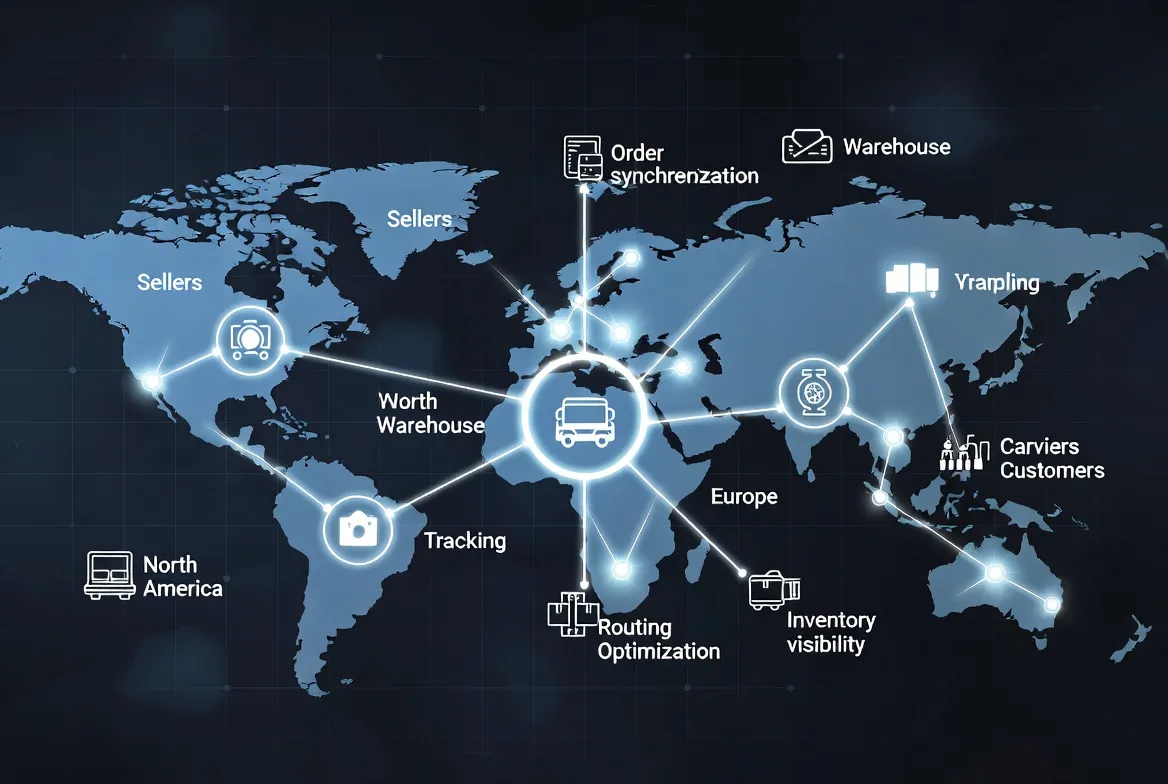
International e-commerce logistics platforms are designed to support the complex requirements of global online retail fulfillment. As cross-border e-commerce continues to grow, these platforms enable businesses to manage orders, shipments, inventory, and delivery across multiple countries and logistics networks.
Key Features of International E-Commerce Logistics Platforms
International e-commerce logistics platforms are designed to support the complex requirements of global online retail fulfillment. As cross-border e-commerce continues to grow, these platforms enable businesses to manage orders, shipments, inventory, and delivery across multiple countries and logistics networks.
 Best Practices for Managing Global Parcel Logistics
Global parcel logistics has become increasingly complex with the rapid growth of cross-border e-commerce and international distribution networks. Managing high volumes of parcels across multiple countries requires structured processes, strong system support, and coordinated operations. Adopting best practices is essential for improving efficiency, reducing costs, and maintaining service quality.
Best Practices for Managing Global Parcel Logistics
Global parcel logistics has become increasingly complex with the rapid growth of cross-border e-commerce and international distribution networks. Managing high volumes of parcels across multiple countries requires structured processes, strong system support, and coordinated operations. Adopting best practices is essential for improving efficiency, reducing costs, and maintaining service quality.