.webp "What Is a Multimodal Transport Management System?") What Is a Multimodal Transport Management System?
A multimodal transport management system is a digital platform designed to manage shipments that involve two or more modes of transportation, such as sea, air, rail, and road, within a single coordinated workflow. It connects multiple transport segments into one unified shipment record, ensuring seamless execution, tracking, and financial control.
What Is a Multimodal Transport Management System?
A multimodal transport management system is a digital platform designed to manage shipments that involve two or more modes of transportation, such as sea, air, rail, and road, within a single coordinated workflow. It connects multiple transport segments into one unified shipment record, ensuring seamless execution, tracking, and financial control.
.webp "What Is a Freight Order Processing System?") What Is a Freight Order Processing System?
A freight order processing system is a digital platform used to manage and organize the lifecycle of freight orders, from order creation to shipment execution. It helps logistics companies capture shipment requests, process operational details, coordinate transport arrangements, and maintain accurate shipment records throughout the fulfillment process.
What Is a Freight Order Processing System?
A freight order processing system is a digital platform used to manage and organize the lifecycle of freight orders, from order creation to shipment execution. It helps logistics companies capture shipment requests, process operational details, coordinate transport arrangements, and maintain accurate shipment records throughout the fulfillment process.
.webp "How Logistics Exception Management Improves Supply Chain Reliability") How Logistics Exception Management Improves Supply Chain Reliability
Logistics operations involve numerous moving parts. Shipments pass through multiple transportation stages, warehouses, and service providers before reaching their final destination. With so many operational steps involved, unexpected disruptions are almost inevitable.
How Logistics Exception Management Improves Supply Chain Reliability
Logistics operations involve numerous moving parts. Shipments pass through multiple transportation stages, warehouses, and service providers before reaching their final destination. With so many operational steps involved, unexpected disruptions are almost inevitable.
.webp "How Freight Forwarding Systems Manage Global Agent Collaboration") How Freight Forwarding Systems Manage Global Agent Collaboration
A modern freight forwarding system provides the digital infrastructure that enables seamless agent collaboration. By centralizing shipment information, operational workflows, and communication channels within one platform, logistics companies can coordinate activities across global partners with greater visibility and consistency.
How Freight Forwarding Systems Manage Global Agent Collaboration
A modern freight forwarding system provides the digital infrastructure that enables seamless agent collaboration. By centralizing shipment information, operational workflows, and communication channels within one platform, logistics companies can coordinate activities across global partners with greater visibility and consistency.
.webp "How Logistics Platforms Improve Internal Communication Between Operations Teams") How Logistics Platforms Improve Internal Communication Between Operations Teams
Freight forwarding operations require constant coordination between multiple internal teams. Sales departments manage customer relationships and quotations, operations teams coordinate shipments, documentation teams prepare regulatory paperwork, and finance departments handle billing and settlement. Efficient communication between these departments is essential for smooth logistics execution
How Logistics Platforms Improve Internal Communication Between Operations Teams
Freight forwarding operations require constant coordination between multiple internal teams. Sales departments manage customer relationships and quotations, operations teams coordinate shipments, documentation teams prepare regulatory paperwork, and finance departments handle billing and settlement. Efficient communication between these departments is essential for smooth logistics execution
.webp "How Digital Logistics Systems Support Scalable Operations for Growing Freight Forwarders") How Digital Logistics Systems Support Scalable Operations for Growing Freight Forwarders
Freight forwarding companies often begin with relatively simple operational structures. Early-stage logistics businesses may manage shipments using spreadsheets, emails, and manual coordination between teams. While this approach can work when shipment volumes are low, it becomes increasingly difficult to maintain efficiency as the business grows.
How Digital Logistics Systems Support Scalable Operations for Growing Freight Forwarders
Freight forwarding companies often begin with relatively simple operational structures. Early-stage logistics businesses may manage shipments using spreadsheets, emails, and manual coordination between teams. While this approach can work when shipment volumes are low, it becomes increasingly difficult to maintain efficiency as the business grows.
.webp "How Digital Logistics Platforms Support Multi-Partner Collaboration") How Digital Logistics Platforms Support Multi-Partner Collaboration
Digital logistics platforms support collaboration between multiple partners involved in shipment operations. By centralizing shipment data, communication, and operational workflows, these platforms allow freight forwarders, carriers, warehouses, and agents to coordinate logistics activities more efficiently.
How Digital Logistics Platforms Support Multi-Partner Collaboration
Digital logistics platforms support collaboration between multiple partners involved in shipment operations. By centralizing shipment data, communication, and operational workflows, these platforms allow freight forwarders, carriers, warehouses, and agents to coordinate logistics activities more efficiently.
.webp "Operational Challenges Freight Forwarders Face Without Integrated Systems") Operational Challenges Freight Forwarders Face Without Integrated Systems
Freight forwarders face significant operational challenges when logistics processes are managed through disconnected tools and manual workflows. Without integrated systems, shipment data, communication, and operational processes can become fragmented, making it difficult to manage complex logistics operations efficiently.
Operational Challenges Freight Forwarders Face Without Integrated Systems
Freight forwarders face significant operational challenges when logistics processes are managed through disconnected tools and manual workflows. Without integrated systems, shipment data, communication, and operational processes can become fragmented, making it difficult to manage complex logistics operations efficiently.
.webp "How Freight Forwarding Operations Improve Logistics Operations") How Freight Forwarding Operations Improve Logistics Operations
Freight forwarding operations play a central role in coordinating international transportation activities. By organizing shipment planning, transportation management, and partner coordination, freight forwarders help ensure that goods move efficiently through global logistics networks.
How Freight Forwarding Operations Improve Logistics Operations
Freight forwarding operations play a central role in coordinating international transportation activities. By organizing shipment planning, transportation management, and partner coordination, freight forwarders help ensure that goods move efficiently through global logistics networks.
.webp "How Logistics Platforms Deliver Shipment Operations Platforms") How Logistics Platforms Deliver Shipment Operations Platforms
A shipment operations platform is a digital system that helps logistics companies manage the full lifecycle of freight movements. Logistics platforms deliver these capabilities by integrating shipment orders, transportation coordination, operational milestones, and financial processes into a centralized operational environment.
How Logistics Platforms Deliver Shipment Operations Platforms
A shipment operations platform is a digital system that helps logistics companies manage the full lifecycle of freight movements. Logistics platforms deliver these capabilities by integrating shipment orders, transportation coordination, operational milestones, and financial processes into a centralized operational environment.
.webp "Best Practices for Managing Real-Time Shipment Monitoring") Best Practices for Managing Real-Time Shipment Monitoring
Real-time shipment monitoring allows logistics companies to track cargo movements and operational milestones as they occur. By providing continuous visibility into shipment status, real-time monitoring helps logistics teams manage transportation operations more effectively and respond quickly to potential disruptions.
Best Practices for Managing Real-Time Shipment Monitoring
Real-time shipment monitoring allows logistics companies to track cargo movements and operational milestones as they occur. By providing continuous visibility into shipment status, real-time monitoring helps logistics teams manage transportation operations more effectively and respond quickly to potential disruptions.
.webp "How Digital Systems Improve Logistics Visibility") How Digital Systems Improve Logistics Visibility
Logistics visibility refers to the ability to track shipments, monitor operational milestones, and understand cargo status across the supply chain. Digital logistics systems improve visibility by collecting shipment data, integrating transportation events, and presenting real-time operational information through centralized platforms.
How Digital Systems Improve Logistics Visibility
Logistics visibility refers to the ability to track shipments, monitor operational milestones, and understand cargo status across the supply chain. Digital logistics systems improve visibility by collecting shipment data, integrating transportation events, and presenting real-time operational information through centralized platforms.
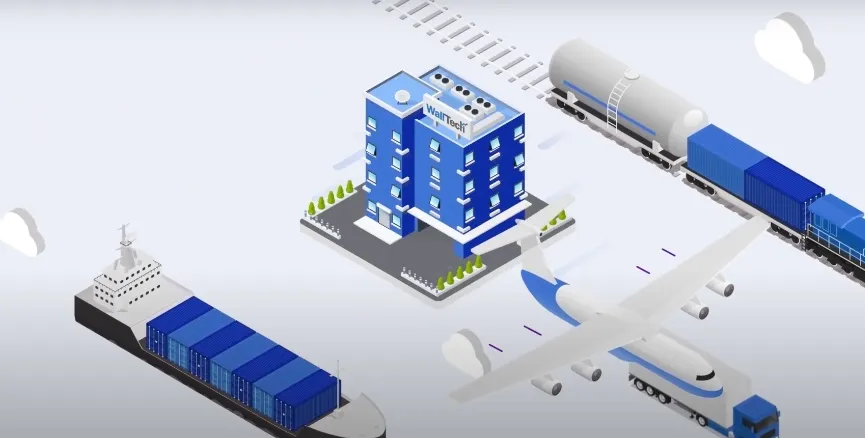 Logistics SaaS in Transforming Global Supply Chains
In today’s highly competitive global economy, logistics operations sit at the heart of international trade and supply chain performance. Customer expectations are rising, delivery windows are shrinki...
Logistics SaaS in Transforming Global Supply Chains
In today’s highly competitive global economy, logistics operations sit at the heart of international trade and supply chain performance. Customer expectations are rising, delivery windows are shrinki...
.webp "How Modern Platforms Enable Operational Collaboration") How Modern Platforms Enable Operational Collaboration
Operational collaboration in logistics refers to the ability of multiple teams and partner companies to coordinate shipment activities through shared information and structured workflows. Modern logistics platforms enable this collaboration by centralizing operational data, allowing participants to access shipment information, update milestones, and coordinate tasks within the same system.
How Modern Platforms Enable Operational Collaboration
Operational collaboration in logistics refers to the ability of multiple teams and partner companies to coordinate shipment activities through shared information and structured workflows. Modern logistics platforms enable this collaboration by centralizing operational data, allowing participants to access shipment information, update milestones, and coordinate tasks within the same system.
.webp "How Digital Systems Improve Freight Partner Collaboration") How Digital Systems Improve Freight Partner Collaboration
Freight partner collaboration refers to the coordination between logistics companies and external partners such as carriers, agents, warehouses, and service providers. Digital logistics systems improve this collaboration by centralizing shipment data, enabling real-time updates, and providing structured workflows for all partners involved in the transportation process.
How Digital Systems Improve Freight Partner Collaboration
Freight partner collaboration refers to the coordination between logistics companies and external partners such as carriers, agents, warehouses, and service providers. Digital logistics systems improve this collaboration by centralizing shipment data, enabling real-time updates, and providing structured workflows for all partners involved in the transportation process.