
 How Logistics Systems Manage Order Creation and Routing
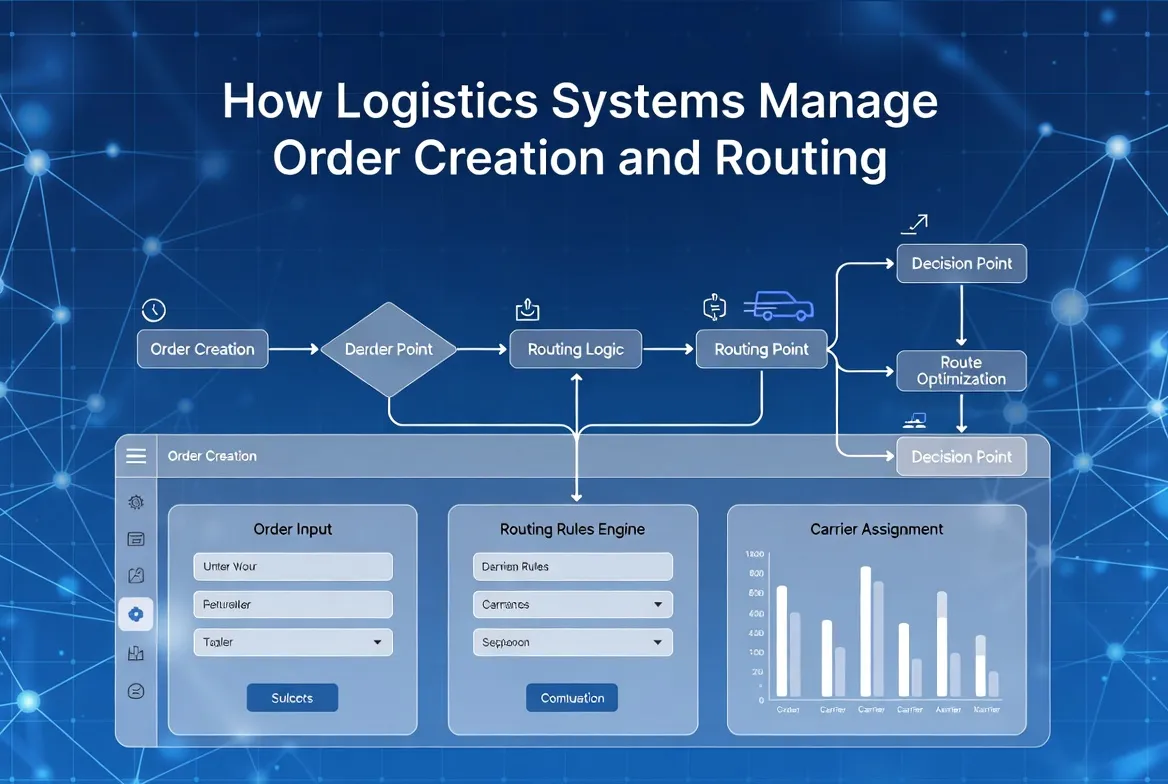
Logistics systems manage order creation and routing by capturing shipment data from multiple sources, validating and enriching that data, and automatically assigning the most suitable transportation routes and carriers based on predefined rules or optimization logic.
How Logistics Systems Manage Order Creation and Routing
Logistics systems manage order creation and routing by capturing shipment data from multiple sources, validating and enriching that data, and automatically assigning the most suitable transportation routes and carriers based on predefined rules or optimization logic.
 Logistics Platform for Managing Multi-Channel Orders
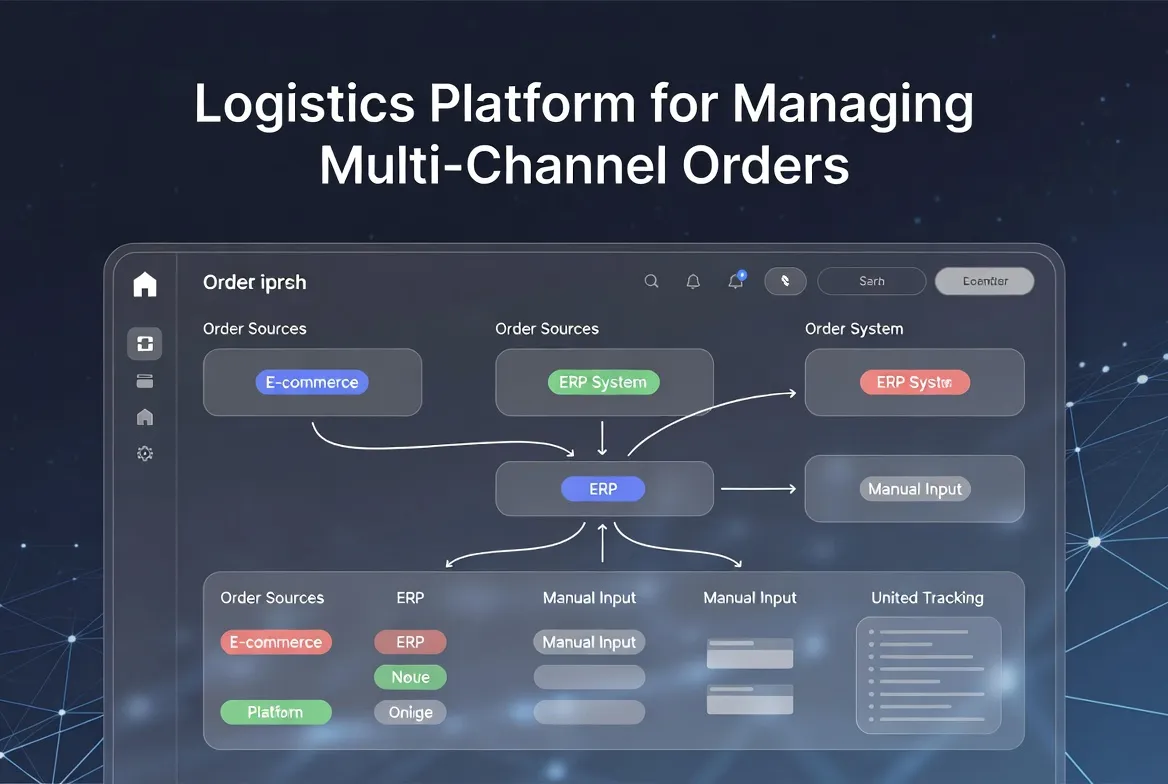
A logistics platform for managing multi-channel orders is a centralized system that consolidates and processes shipment orders originating from multiple sales channels, such as eCommerce platforms, ERP systems, customer portals, and manual inputs.
Logistics Platform for Managing Multi-Channel Orders
A logistics platform for managing multi-channel orders is a centralized system that consolidates and processes shipment orders originating from multiple sales channels, such as eCommerce platforms, ERP systems, customer portals, and manual inputs.
 Logistics Software for Freight Order Optimization
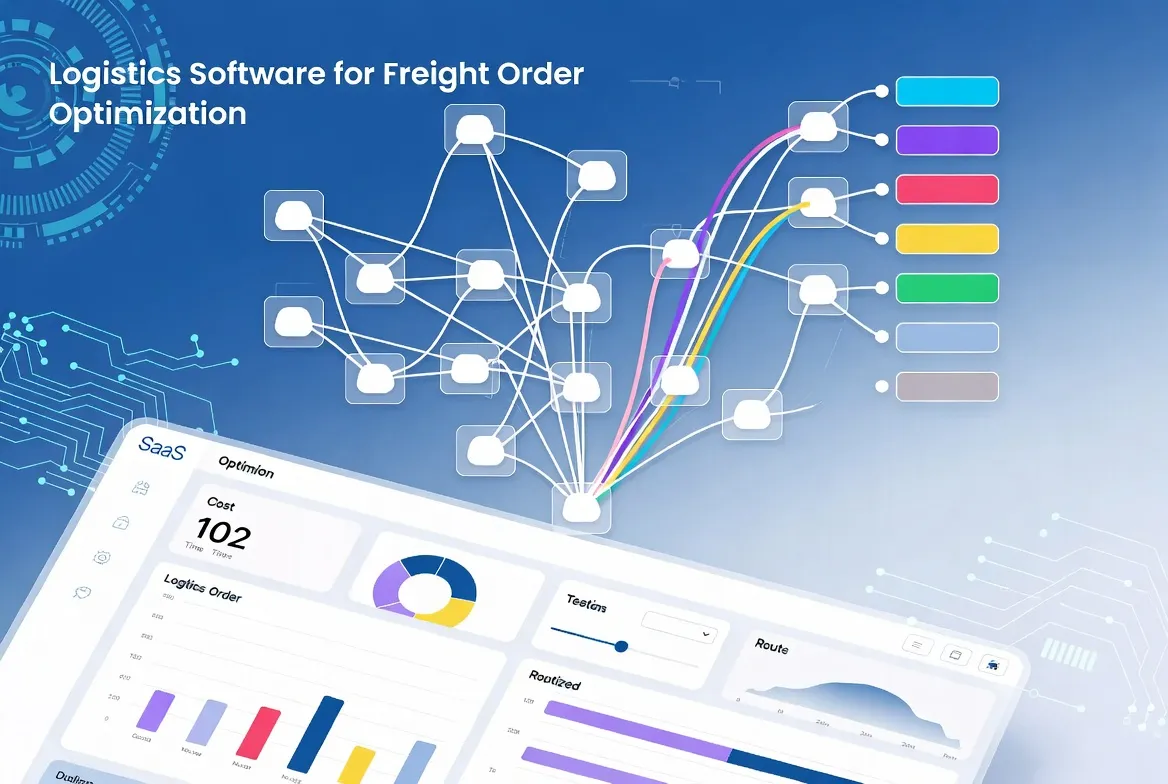
Logistics software for freight order optimization refers to digital systems that improve how shipment orders are planned, executed, and managed by optimizing routing, carrier selection, cost structures, and operational workflows.
Logistics Software for Freight Order Optimization
Logistics software for freight order optimization refers to digital systems that improve how shipment orders are planned, executed, and managed by optimizing routing, carrier selection, cost structures, and operational workflows.
 Key Features of Logistics Order Management Systems
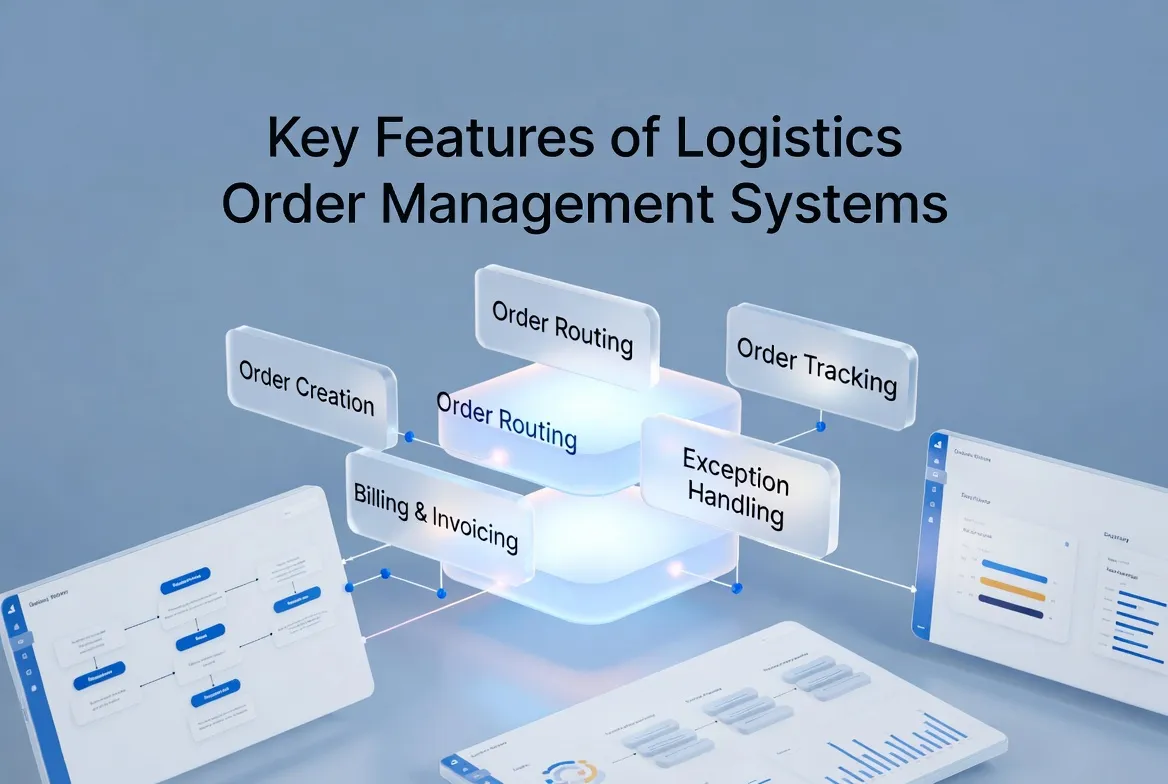
Logistics Order Management Systems (OMS) are digital platforms designed to manage the full lifecycle of shipment orders—from creation and processing to execution and financial settlement.
Key Features of Logistics Order Management Systems
Logistics Order Management Systems (OMS) are digital platforms designed to manage the full lifecycle of shipment orders—from creation and processing to execution and financial settlement.
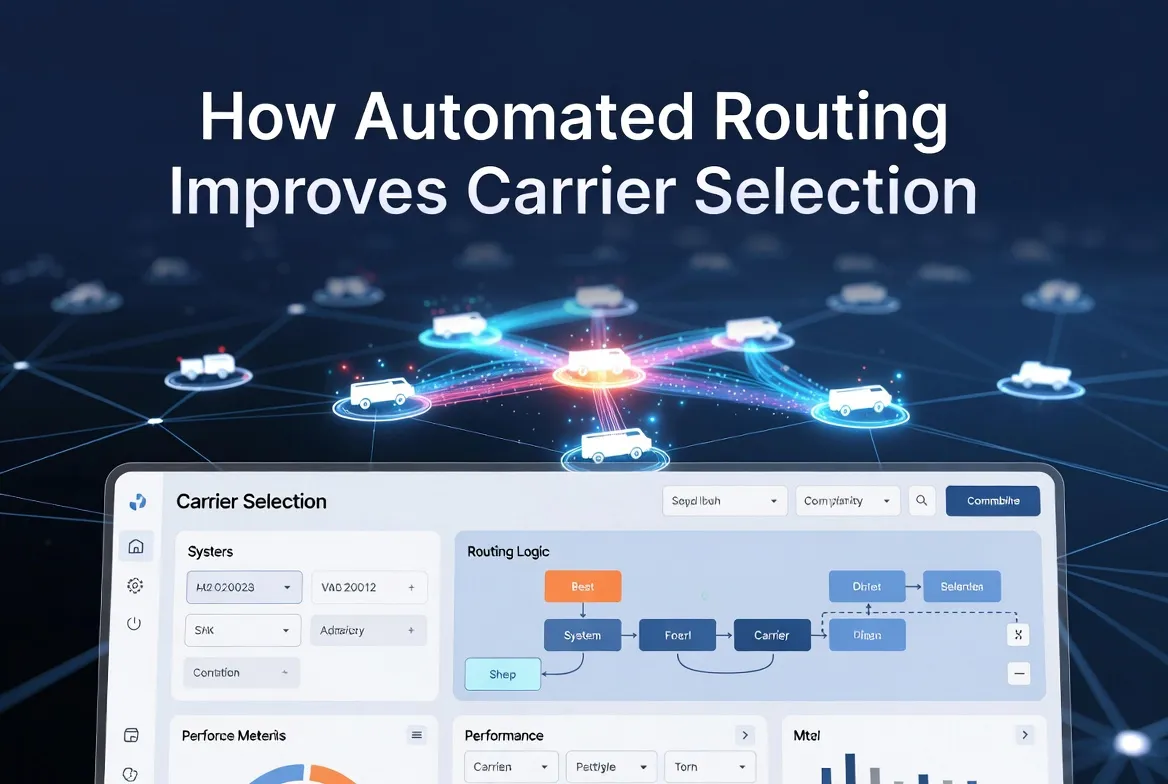 How Automated Routing Improves Carrier Selection
Automated routing improves carrier selection by using predefined rules, real-time data, and system intelligence to automatically match each shipment with the most suitable carrier based on cost, transit time, service level, and operational constraints.
How Automated Routing Improves Carrier Selection
Automated routing improves carrier selection by using predefined rules, real-time data, and system intelligence to automatically match each shipment with the most suitable carrier based on cost, transit time, service level, and operational constraints.
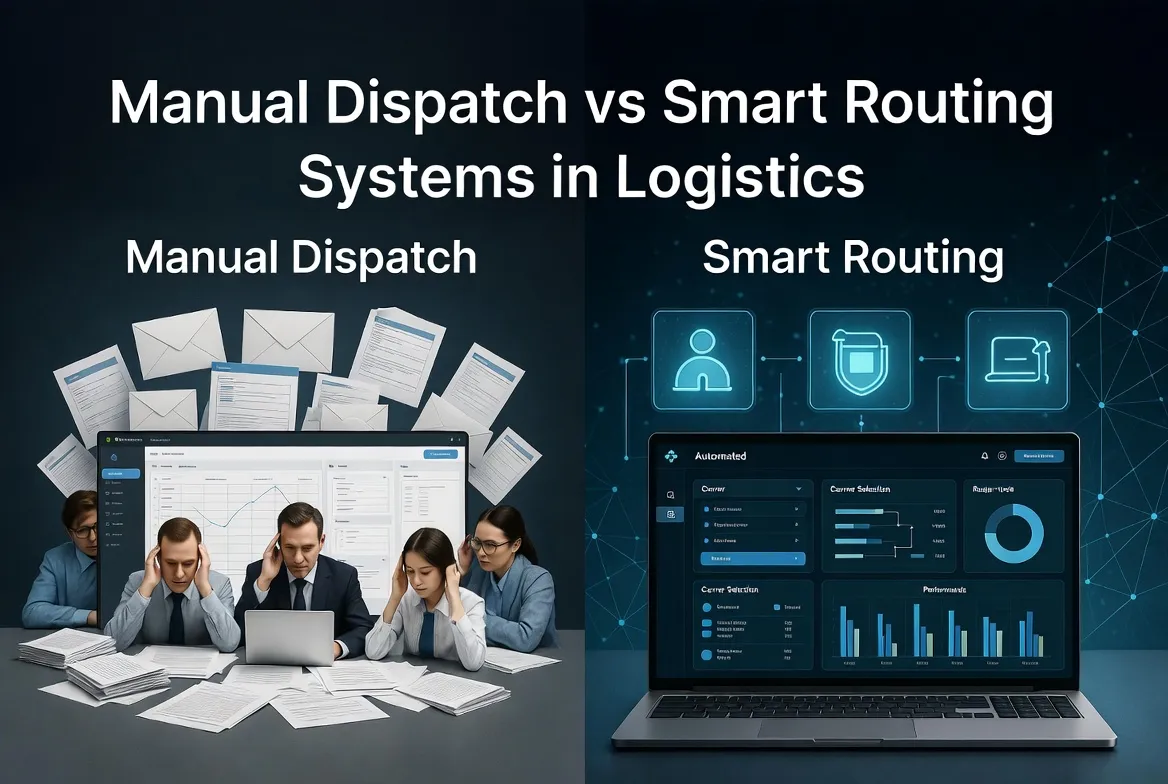 Manual Dispatch vs Smart Routing Systems in Logistics
Manual dispatch and smart routing systems represent two fundamentally different approaches to managing shipment planning and carrier selection in logistics.
Manual Dispatch vs Smart Routing Systems in Logistics
Manual dispatch and smart routing systems represent two fundamentally different approaches to managing shipment planning and carrier selection in logistics.
 How AI Improves Logistics Route Optimization
AI improves logistics route optimization by analyzing large volumes of shipment data, operational constraints, and real-time conditions to automatically determine the most efficient transportation routes.
How AI Improves Logistics Route Optimization
AI improves logistics route optimization by analyzing large volumes of shipment data, operational constraints, and real-time conditions to automatically determine the most efficient transportation routes.