 Logistics Software for Shipment Exception Handling
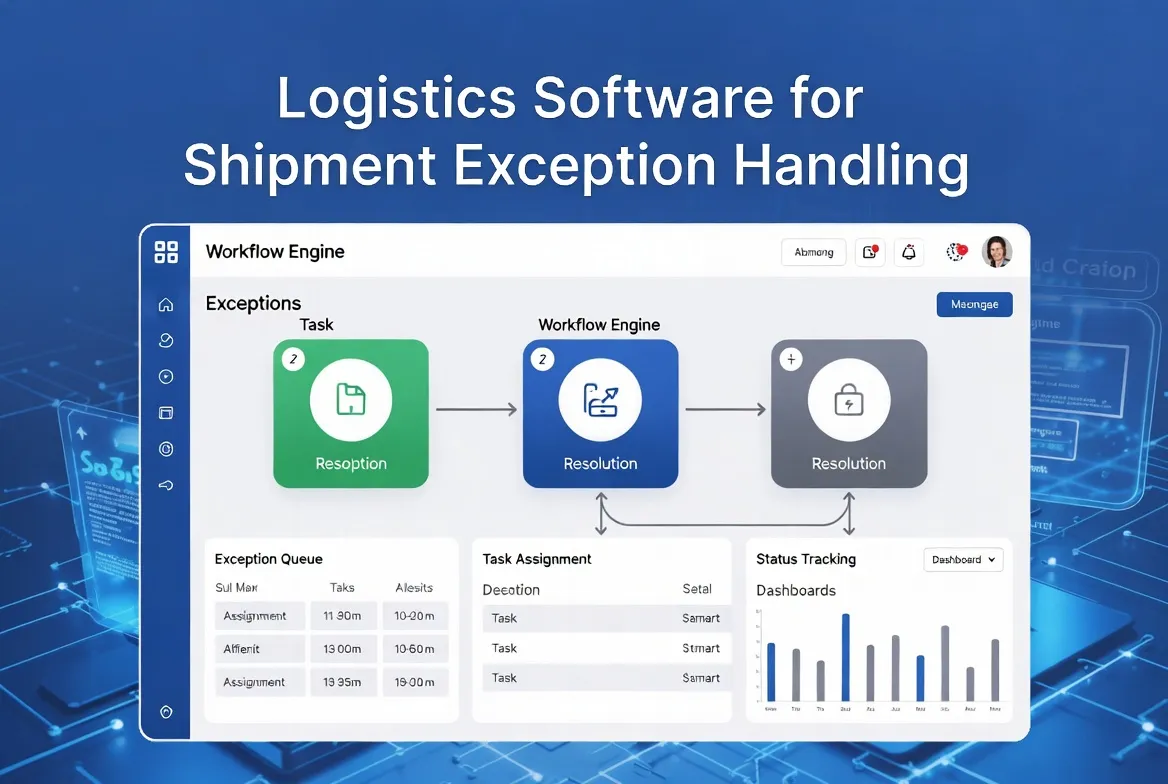
Logistics software for shipment exception handling is designed to automatically detect, track, and resolve disruptions in shipment operations, such as delays, missing documents, or customs issues. It works by monitoring shipment milestones in real time, identifying deviations from expected workflows, and triggering alerts and corrective actions.
Logistics Software for Shipment Exception Handling
Logistics software for shipment exception handling is designed to automatically detect, track, and resolve disruptions in shipment operations, such as delays, missing documents, or customs issues. It works by monitoring shipment milestones in real time, identifying deviations from expected workflows, and triggering alerts and corrective actions.
 Key Features of Logistics Alert and Notification Systems
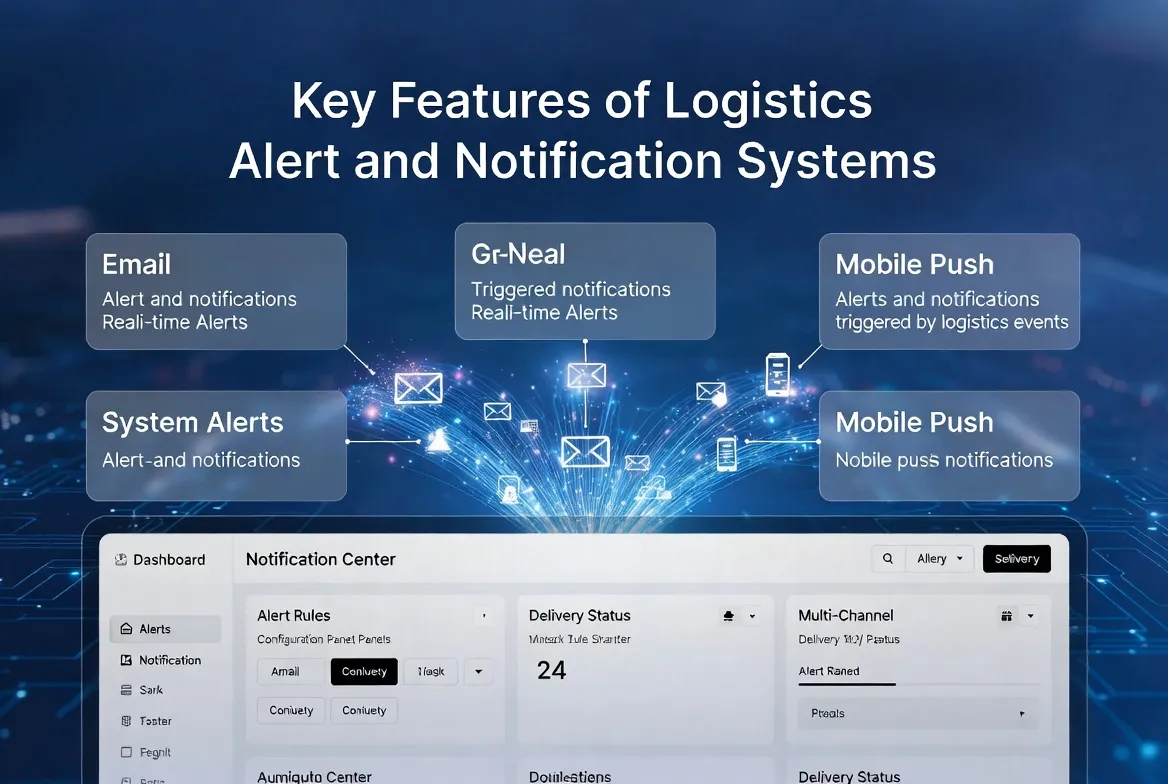
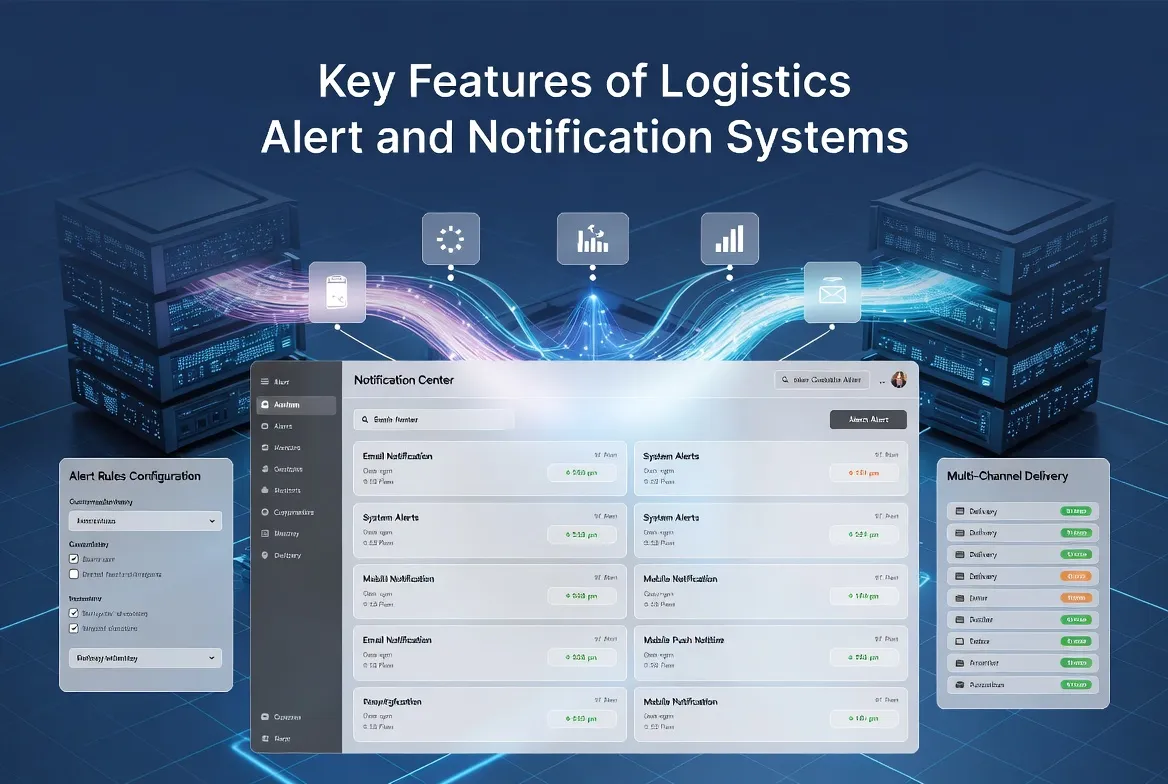
Logistics alert and notification systems are designed to automatically inform stakeholders about important events, risks, or exceptions in shipment operations. These systems work by monitoring shipment data in real time, detecting predefined conditions such as delays or missing milestones, and triggering alerts to the right people at the right time.
Key Features of Logistics Alert and Notification Systems
Logistics alert and notification systems are designed to automatically inform stakeholders about important events, risks, or exceptions in shipment operations. These systems work by monitoring shipment data in real time, detecting predefined conditions such as delays or missing milestones, and triggering alerts to the right people at the right time.
 How Automation Improves Exception Response Time
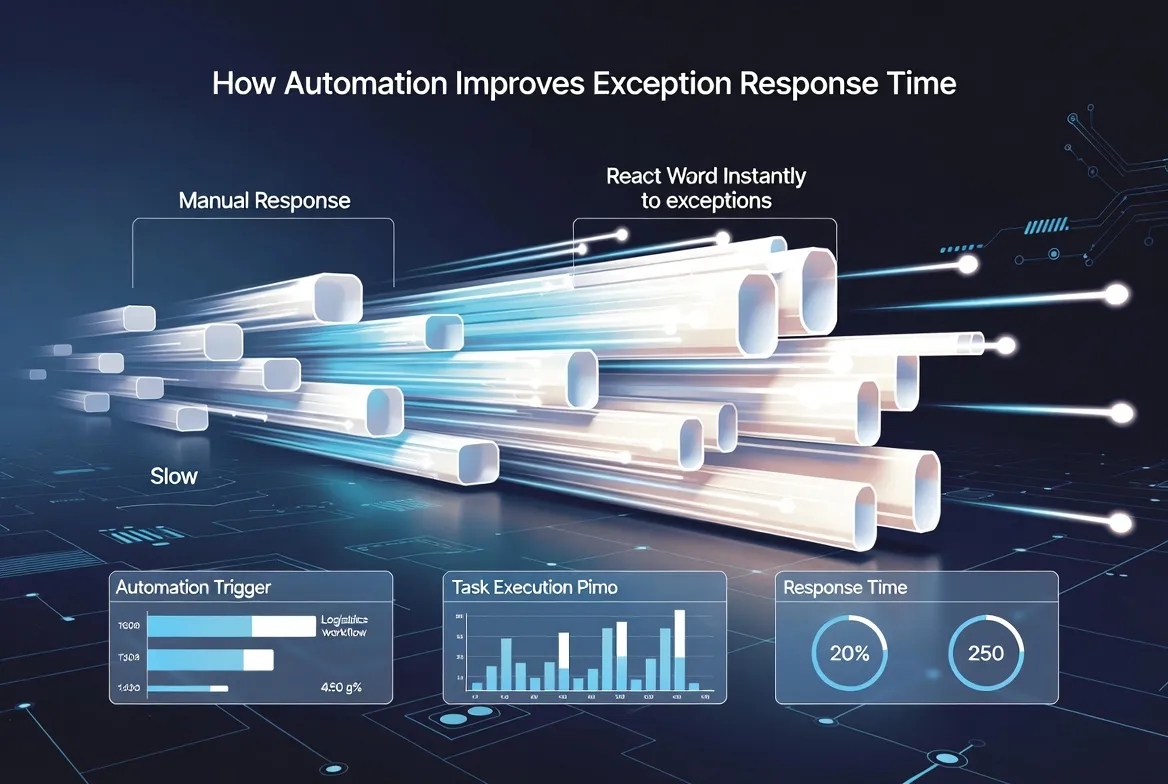
Automation improves exception response time in logistics by instantly detecting disruptions, triggering alerts, and initiating predefined workflows without manual intervention. Instead of relying on teams to identify and react to issues, automated systems ensure that exceptions—such as shipment delays, missing documents, or customs holds—are addressed immediately.
How Automation Improves Exception Response Time
Automation improves exception response time in logistics by instantly detecting disruptions, triggering alerts, and initiating predefined workflows without manual intervention. Instead of relying on teams to identify and react to issues, automated systems ensure that exceptions—such as shipment delays, missing documents, or customs holds—are addressed immediately.
 What Is Risk Compliance in Cross-Border Logistics
Risk compliance in cross-border logistics refers to the processes and controls that ensure logistics operations adhere to international regulations, trade laws, and risk management standards while minimizing operational and financial exposure. It involves managing both regulatory compliance (such as customs and documentation requirements) and operational risks (such as delays, fraud, or data inaccuracies).
What Is Risk Compliance in Cross-Border Logistics
Risk compliance in cross-border logistics refers to the processes and controls that ensure logistics operations adhere to international regulations, trade laws, and risk management standards while minimizing operational and financial exposure. It involves managing both regulatory compliance (such as customs and documentation requirements) and operational risks (such as delays, fraud, or data inaccuracies).
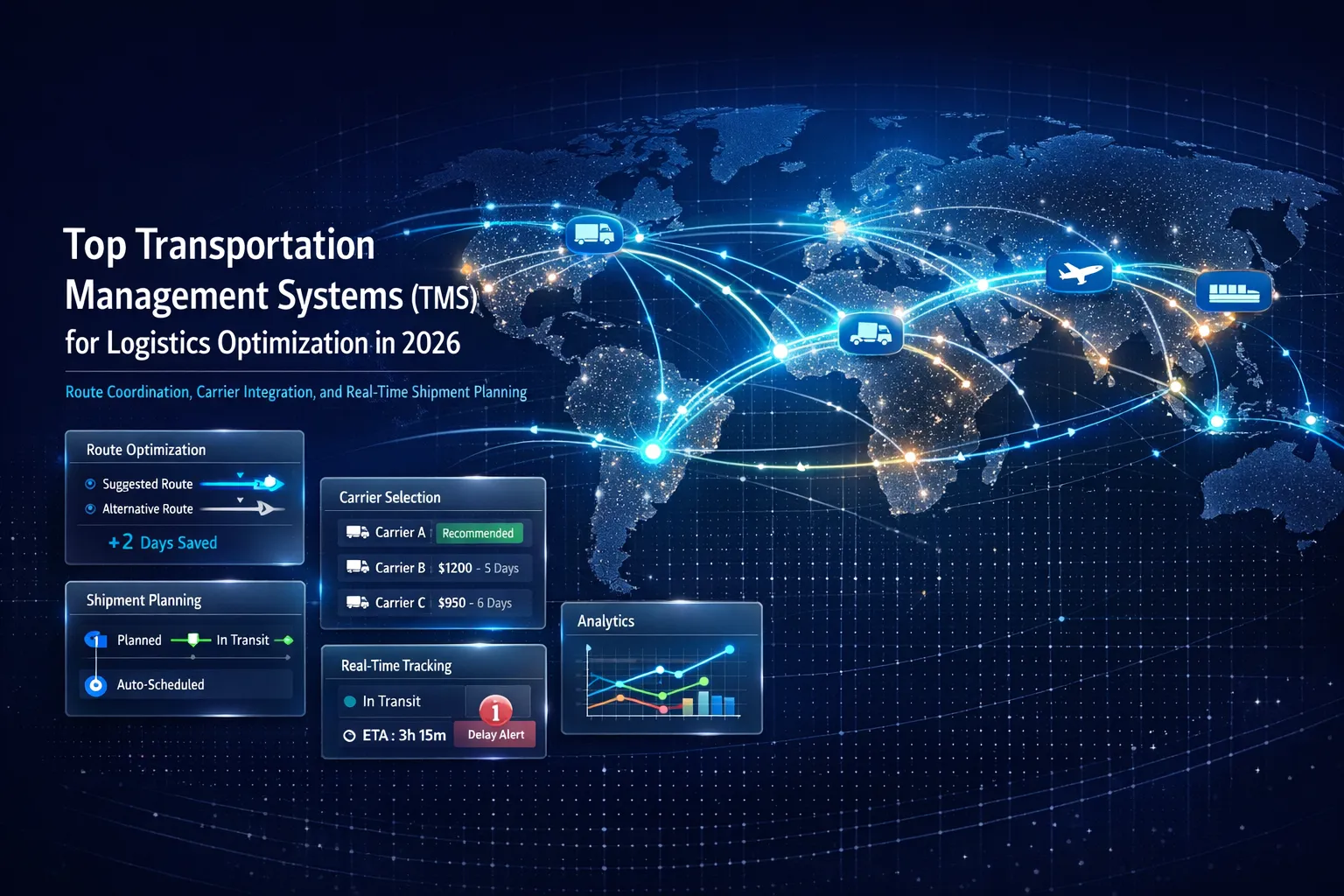 Top Transportation Management Systems (TMS) for Logistics Optimization in 2026
The top transportation management systems in 2026 are defined by their ability to optimize shipment planning, coordinate carriers, and provide real-time visibility across transportation networks. As logistics operations become more complex and globalized, TMS platforms play a critical role in improving efficiency, reducing costs, and enhancing delivery performance.
Top Transportation Management Systems (TMS) for Logistics Optimization in 2026
The top transportation management systems in 2026 are defined by their ability to optimize shipment planning, coordinate carriers, and provide real-time visibility across transportation networks. As logistics operations become more complex and globalized, TMS platforms play a critical role in improving efficiency, reducing costs, and enhancing delivery performance.
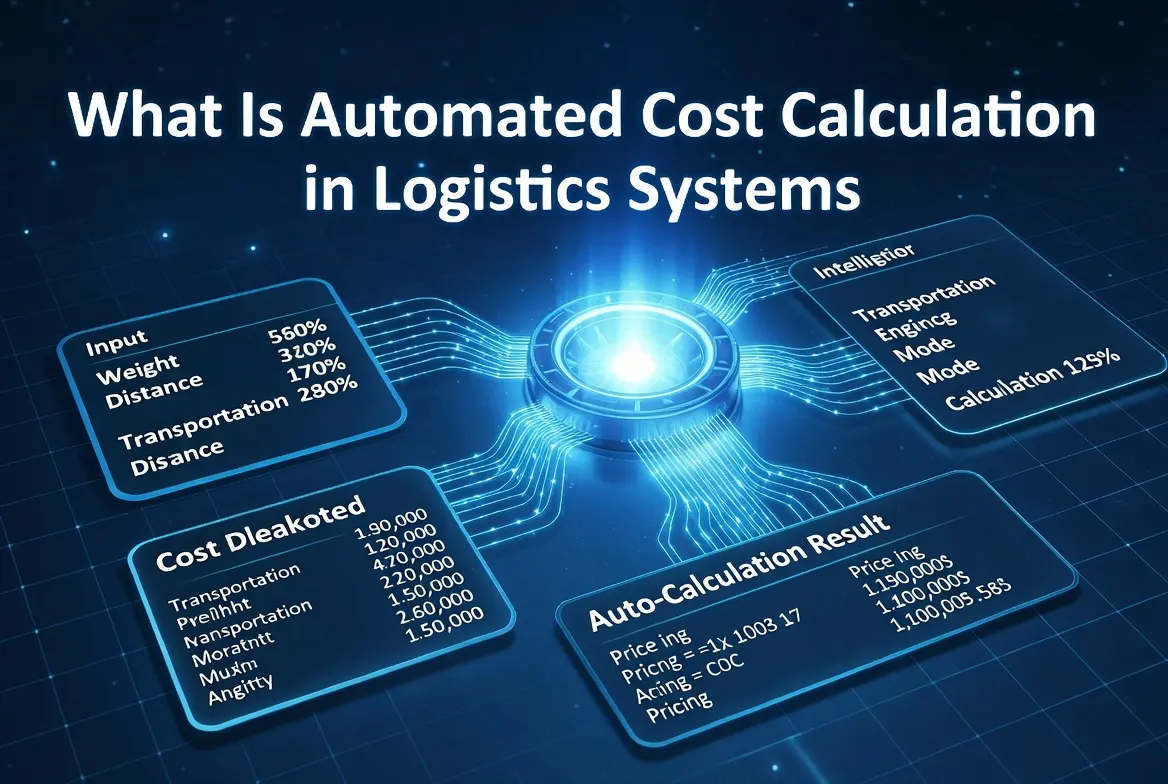 What Is Automated Cost Calculation in Logistics Systems
Automated cost calculation in logistics systems refers to the use of software to automatically determine freight costs based on predefined pricing rules, shipment data, and operational conditions. It is essential because it eliminates manual calculations, reduces financial errors, and ensures consistent cost and pricing application across logistics operations.
What Is Automated Cost Calculation in Logistics Systems
Automated cost calculation in logistics systems refers to the use of software to automatically determine freight costs based on predefined pricing rules, shipment data, and operational conditions. It is essential because it eliminates manual calculations, reduces financial errors, and ensures consistent cost and pricing application across logistics operations.
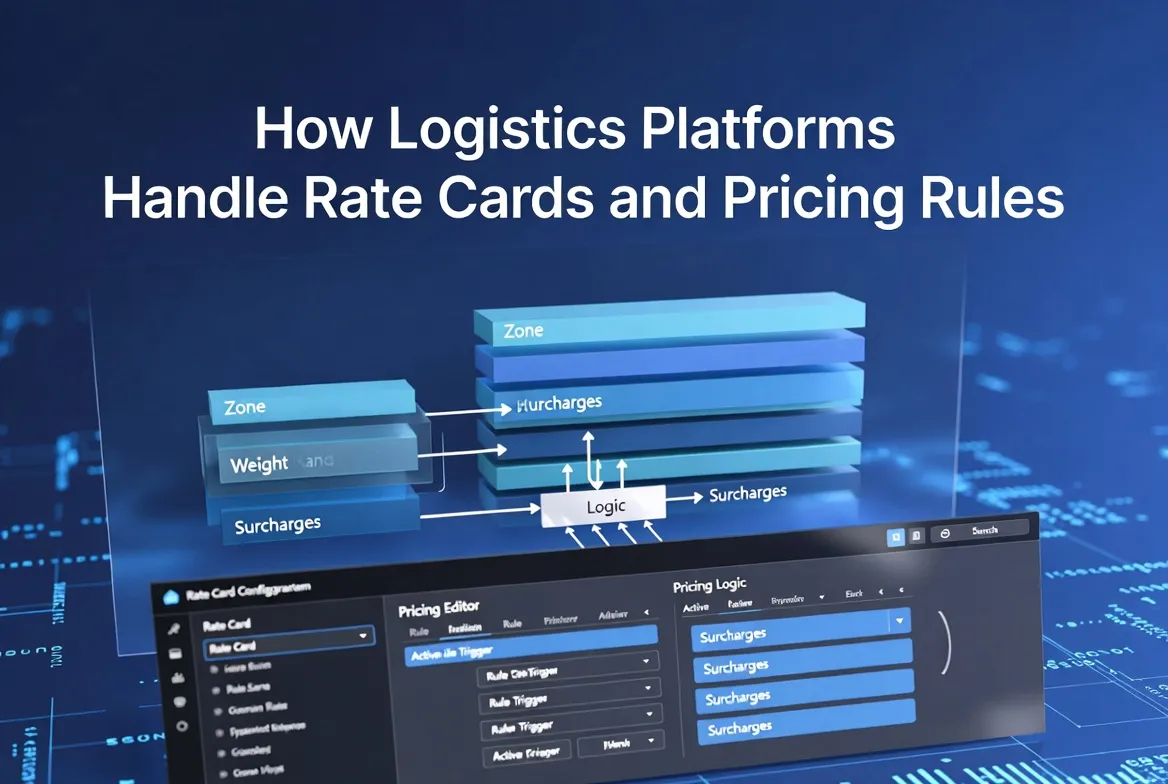 How Logistics Platforms Handle Rate Cards and Pricing Rules
Logistics platforms handle rate cards and pricing rules by structuring freight pricing data into centralized systems and applying automated logic to match rates with shipment conditions. This approach ensures accurate pricing, faster quotations, and consistent cost application across operations. In modern logistics environments, where pricing complexity is high, managing rate cards and rules digitally is essential for efficiency and profitability.
How Logistics Platforms Handle Rate Cards and Pricing Rules
Logistics platforms handle rate cards and pricing rules by structuring freight pricing data into centralized systems and applying automated logic to match rates with shipment conditions. This approach ensures accurate pricing, faster quotations, and consistent cost application across operations. In modern logistics environments, where pricing complexity is high, managing rate cards and rules digitally is essential for efficiency and profitability.
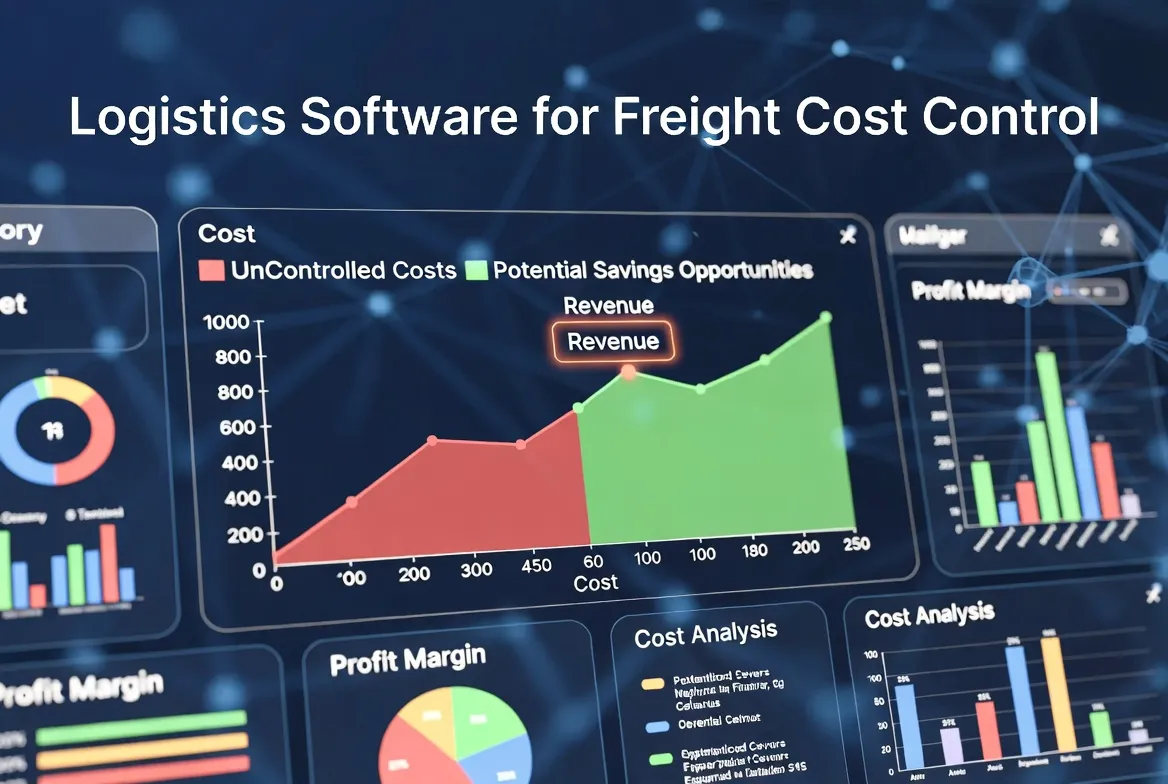 Logistics Software for Freight Cost Control
Logistics software for freight cost control refers to digital platforms that help logistics companies monitor, manage, and optimize transportation costs across their operations. It matters because freight costs are one of the largest expense components in logistics, and without proper control, inefficiencies, pricing errors, and lack of visibility can significantly impact profitability.
Logistics Software for Freight Cost Control
Logistics software for freight cost control refers to digital platforms that help logistics companies monitor, manage, and optimize transportation costs across their operations. It matters because freight costs are one of the largest expense components in logistics, and without proper control, inefficiencies, pricing errors, and lack of visibility can significantly impact profitability.
 Logistics Platform for Managing Multi-Currency Billing
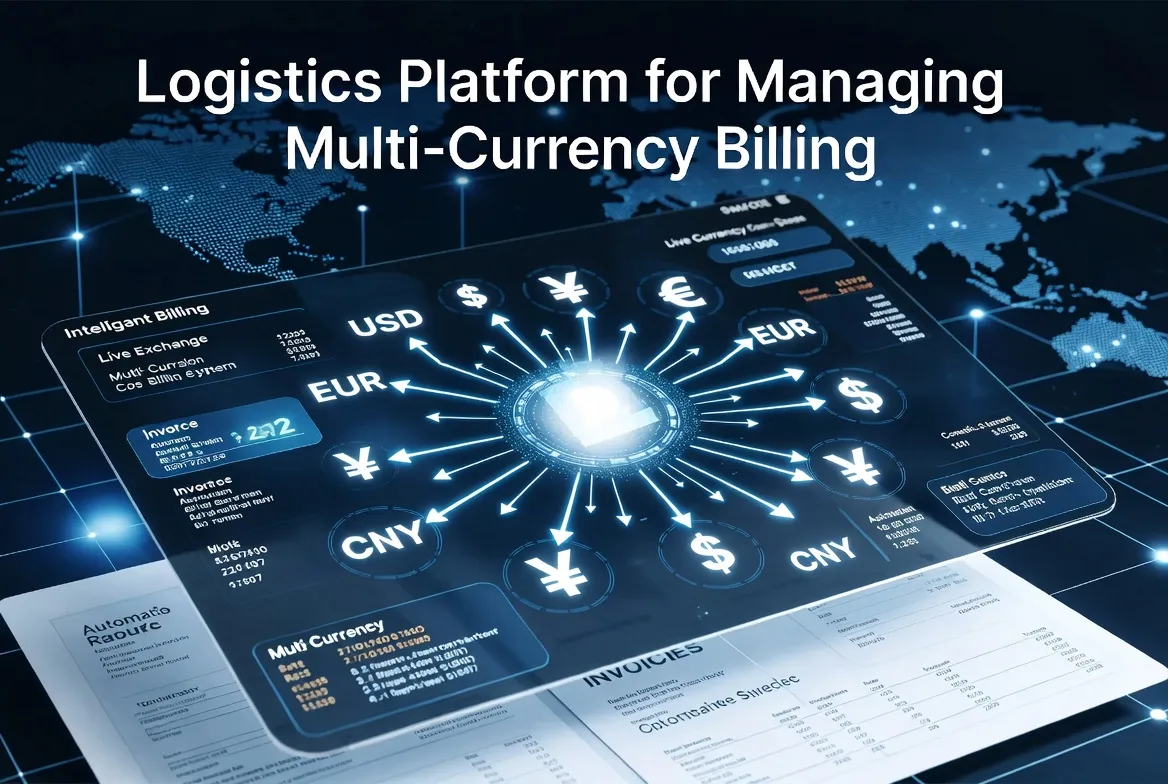
A logistics platform for managing multi-currency billing is a system that enables logistics companies to handle transactions, invoices, and financial records across multiple currencies within a unified framework. It matters because global logistics operations involve cross-border transactions, and without structured multi-currency management, companies face financial inconsistencies, exchange rate risks, and operational inefficiencies.
Logistics Platform for Managing Multi-Currency Billing
A logistics platform for managing multi-currency billing is a system that enables logistics companies to handle transactions, invoices, and financial records across multiple currencies within a unified framework. It matters because global logistics operations involve cross-border transactions, and without structured multi-currency management, companies face financial inconsistencies, exchange rate risks, and operational inefficiencies.
 Key Features of Logistics Billing Automation Systems
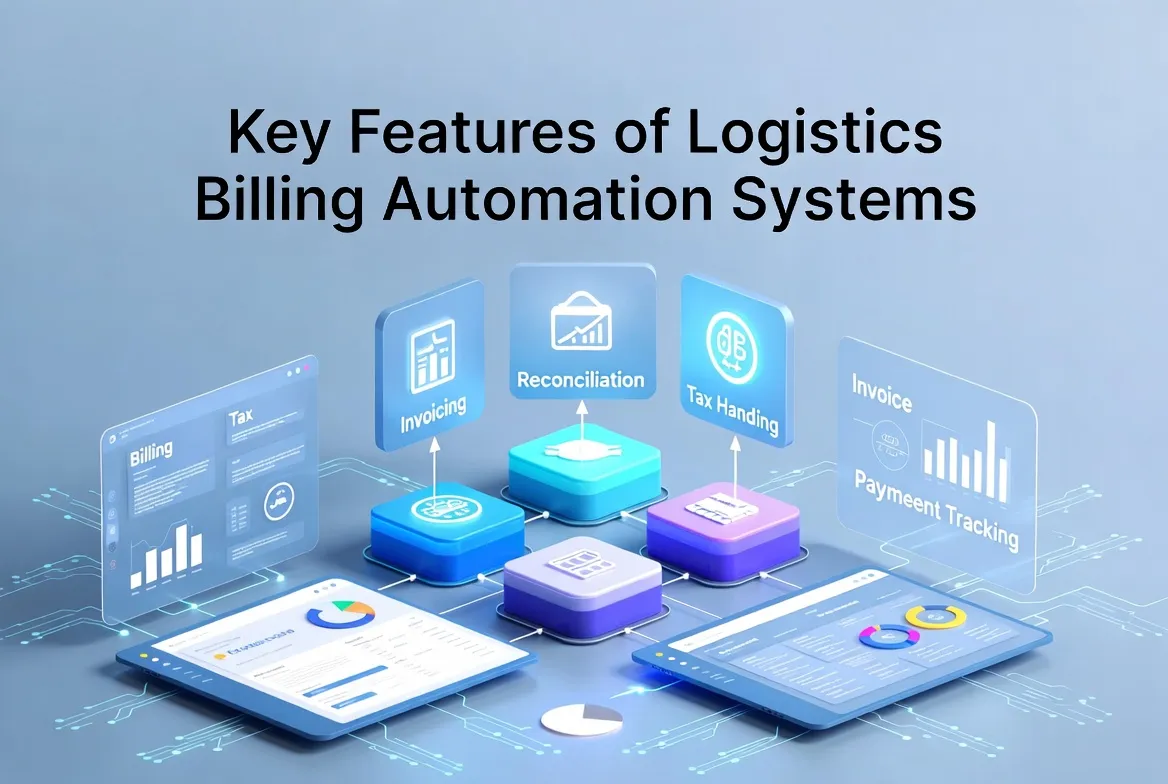
Logistics billing automation systems are designed to automatically generate, manage, and reconcile invoices based on shipment and operational data. These systems are essential because they eliminate manual billing processes, reduce financial errors, and ensure consistency across logistics operations. In complex global logistics environments, billing automation is a critical component for improving efficiency and financial accuracy.
Key Features of Logistics Billing Automation Systems
Logistics billing automation systems are designed to automatically generate, manage, and reconcile invoices based on shipment and operational data. These systems are essential because they eliminate manual billing processes, reduce financial errors, and ensure consistency across logistics operations. In complex global logistics environments, billing automation is a critical component for improving efficiency and financial accuracy.
 How Automated Billing Reduces Financial Errors
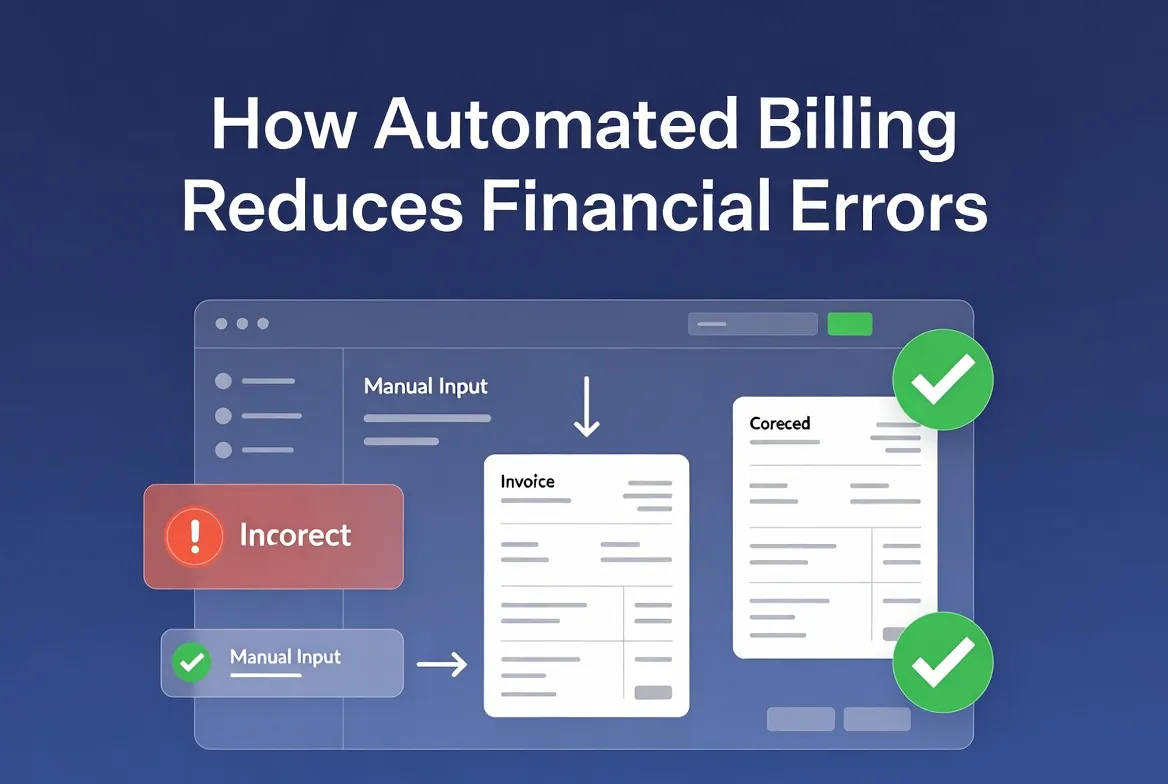
Automated billing reduces financial errors in logistics by replacing manual invoice generation and cost calculations with rule-based, system-driven processes. This ensures consistent application of pricing logic, minimizes human mistakes, and improves financial accuracy across operations. In logistics environments where transactions are frequent and complex, automation is essential for maintaining reliable financial data.
How Automated Billing Reduces Financial Errors
Automated billing reduces financial errors in logistics by replacing manual invoice generation and cost calculations with rule-based, system-driven processes. This ensures consistent application of pricing logic, minimizes human mistakes, and improves financial accuracy across operations. In logistics environments where transactions are frequent and complex, automation is essential for maintaining reliable financial data.
 How AI Improves Freight Rate Management
AI improves freight rate management by automating data extraction, optimizing pricing decisions, and enabling real-time rate analysis across complex logistics networks. It matters because freight pricing is highly dynamic and data-intensive, and traditional manual or rule-based approaches struggle to keep up with market fluctuations, increasing volumes, and complex pricing structures.
How AI Improves Freight Rate Management
AI improves freight rate management by automating data extraction, optimizing pricing decisions, and enabling real-time rate analysis across complex logistics networks. It matters because freight pricing is highly dynamic and data-intensive, and traditional manual or rule-based approaches struggle to keep up with market fluctuations, increasing volumes, and complex pricing structures.
 What Is Financial Compliance in Logistics Systems
Financial compliance in logistics systems refers to the ability of software platforms to ensure that all financial transactions, records, and processes adhere to regulatory requirements, accounting standards, and internal controls. It matters because logistics companies operate across multiple jurisdictions, and non-compliance can lead to financial penalties, operational disruptions, and reputational risks.
What Is Financial Compliance in Logistics Systems
Financial compliance in logistics systems refers to the ability of software platforms to ensure that all financial transactions, records, and processes adhere to regulatory requirements, accounting standards, and internal controls. It matters because logistics companies operate across multiple jurisdictions, and non-compliance can lead to financial penalties, operational disruptions, and reputational risks.
.webp "What Is Logistics Order Management and How It Works") What Is Logistics Order Management and How It Works
Logistics order management is the process of creating, managing, and tracking shipment orders across the entire logistics lifecycle, from order intake to final delivery.
What Is Logistics Order Management and How It Works
Logistics order management is the process of creating, managing, and tracking shipment orders across the entire logistics lifecycle, from order intake to final delivery.
 Why Order Visibility Matters in Logistics Operations
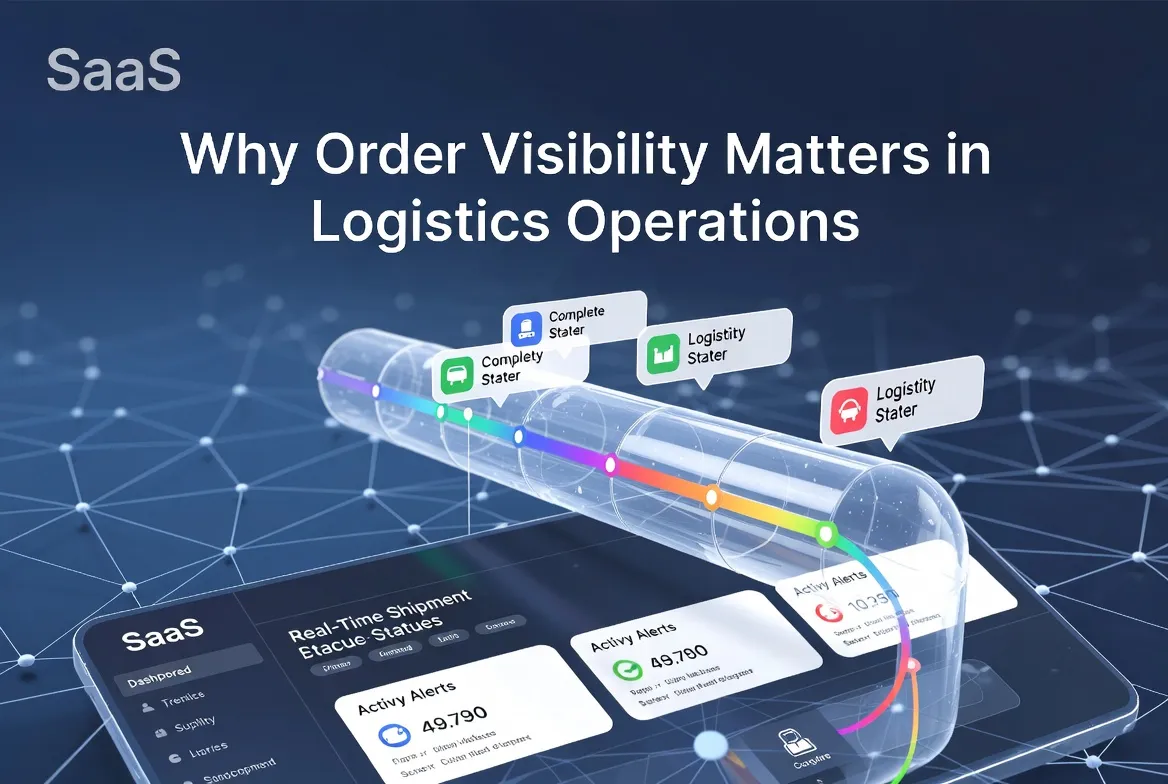
Order visibility in logistics refers to the ability to track and monitor shipment orders in real time across their entire lifecycle, from order creation to final delivery.
Why Order Visibility Matters in Logistics Operations
Order visibility in logistics refers to the ability to track and monitor shipment orders in real time across their entire lifecycle, from order creation to final delivery.